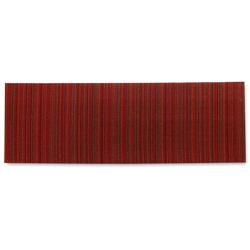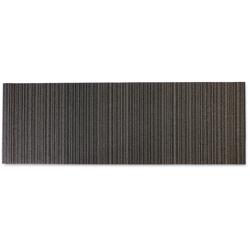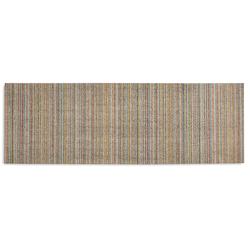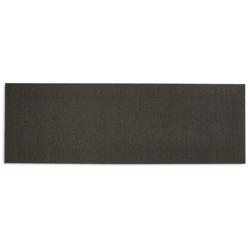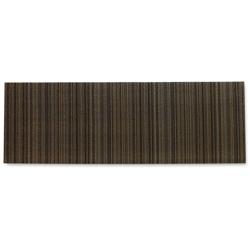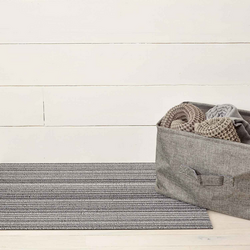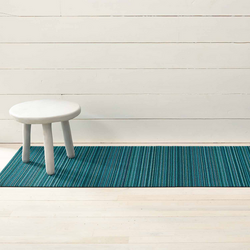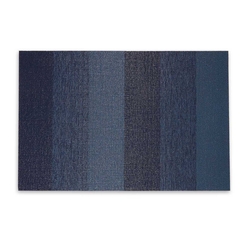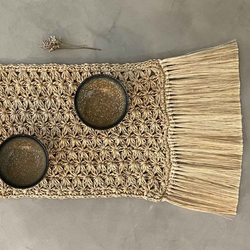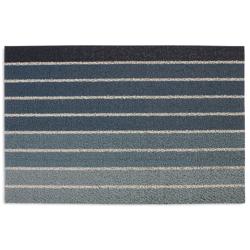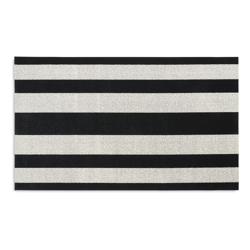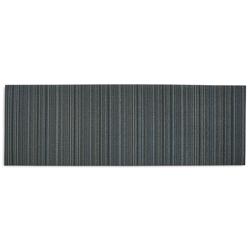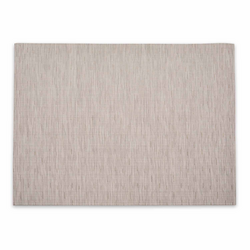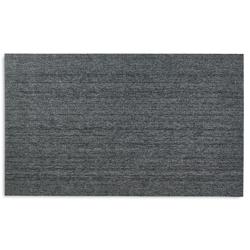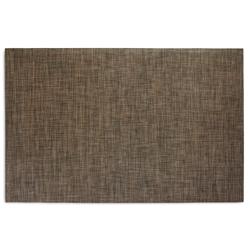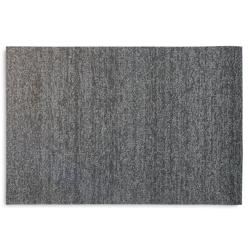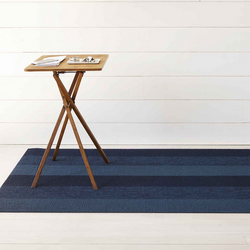
Stylish waterproof floor runners pair a moisture-blocking surface with colors and patterns that bring a finished look to kitchens, entryways and other busy spaces. Their long, narrow shape suits the stretch beside a kitchen island, the walkway through a galley kitchen or the landing area inside a back door. In these spots, a well-chosen runner helps shield the floor beneath its covered area from everyday splashes while adding visual warmth to tile, wood or another hard surface. A patterned runner can pick up the color of painted cabinets, echo the lines of a backsplash or give a simple hallway a little more character without taking over the room. Tile-inspired motifs create the look of a decorative inset, while stripes draw the eye along a passage and small repeating designs help everyday crumbs look less conspicuous between cleanings. Softer neutrals blend easily with natural wood and stone; deeper shades provide contrast against pale flooring. The practical appeal is just as important as the pattern. A few drops beside the sink, a splash near the dog’s water bowl or damp shoes at the door are familiar parts of a lived-in home. A waterproof runner can make those areas easier to maintain, provided spills stay within its boundaries and are cleaned up promptly. Waterproof does not mean that an entire floor is protected: water can still travel around the edges or collect underneath. It also differs from water-resistant construction, which may tolerate limited moisture without forming a complete barrier. For places where occasional splashes rather than sustained moisture are the main concern,
Water Resistant Runner Rugs offer a related category to consider, with protection that varies by material and construction. The best fit for a room balances that level of protection with the look, feel and daily use you have in mind.
Material makes a noticeable difference in how a floor runner feels underfoot and how it handles the routine of a busy household. Smooth vinyl and similar nonporous surfaces are often practical around food preparation areas because spilled coffee, flour and sauce can be wiped away rather than worked out of a deep pile. Printed finishes can bring the detail of woven textiles or patterned tile to a surface with relatively little texture. Woven synthetic constructions offer a more tactile appearance, but the weave alone does not make a runner waterproof; moisture protection depends on the complete construction, including any backing or coating. A fabric face with a waterproof backing may help prevent a spill from reaching the floor while still needing more attention on top to remove moisture or stains. That distinction matters beside a sink used throughout the day or an entry where wet footwear tends to linger. Thickness also changes the experience. A thin, low-profile runner generally fits more easily beneath swinging doors and near cabinet toe kicks, while a cushioned design may feel more comfortable during longer stretches of chopping vegetables or washing dishes. Cushioning is a separate feature, however, and a waterproof surface should not automatically be treated as an anti-fatigue mat. Backing deserves equal consideration, especially on smooth flooring. Slip-resistant construction can help limit movement, but its performance depends on the floor, the condition of the backing and whether moisture or debris is present. Any rug pad should be compatible with both the runner and the flooring and should not add enough height to create an awkward edge. For sealed hardwood, luxury vinyl and other finished surfaces, checking the flooring manufacturer’s recommendations can help avoid backing materials that might discolor or affect the finish. Durability comes from matching construction to use, whether that means frequent foot traffic, pulled-out chairs or a household where pets pass through the kitchen all day.
A runner’s proportions should work with the room’s natural walking path rather than simply fill every open inch. In a kitchen, a useful length might span the main preparation area and sink without extending into a doorway or bunching near an appliance. In a hallway, a visible border of flooring on either side gives the runner definition and keeps the space from feeling crowded. Measuring the usable floor area, along with door clearance and the space needed to open a dishwasher or lower cabinet, helps establish a comfortable fit. Corners and edges should lie flat, and the placement should leave room to move safely while carrying a hot baking dish or a full grocery bag. Care is another part of that everyday fit. Many nonporous runners need little more than regular sweeping or vacuuming, followed by a damp cloth and a manufacturer-approved mild cleaner. Textured surfaces may need closer attention where crumbs and grit settle, and fabric-faced styles can have different washing and drying requirements. Abrasive scrubbers, steam cleaners and strong cleaning solutions are not suitable for every material, so the care instructions should determine the method. Lifting the runner periodically to clean and fully dry both its underside and the floor helps prevent trapped moisture and accumulated grit from becoming a problem. During the cooler months, the area near an exterior door may need more frequent attention as damp leaves, rain and residue from footwear come indoors. An indoor waterproof runner is not necessarily designed for outdoor exposure, freezing temperatures or direct sunlight; covered porches and patios call for construction specifically rated for those conditions. With those details considered, a decorative floor runner can be a thoughtful addition for frequent cooks, pet owners or anyone who wants a hardworking space to feel more inviting. It can also make a useful housewarming gift when the recipient’s measurements, flooring and taste are known. From the morning coffee routine to cleanup after a shared meal, its value lies in making an often-used stretch of floor easier to live with and more enjoyable to look at.