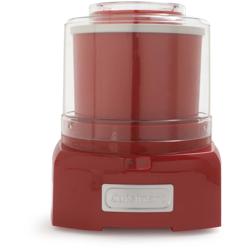
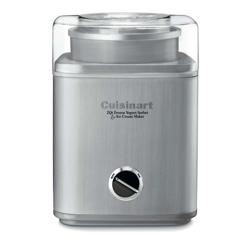
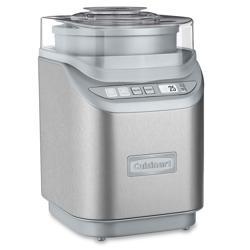
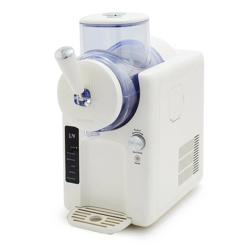
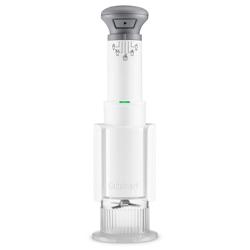
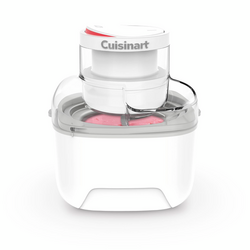
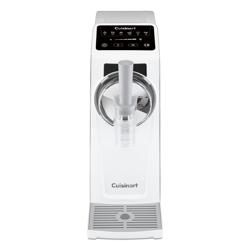
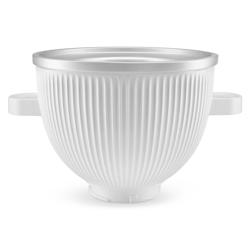
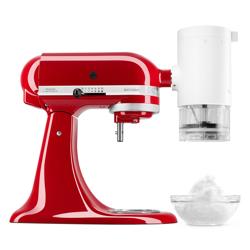
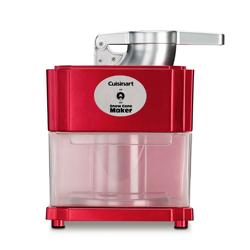
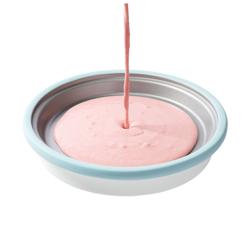
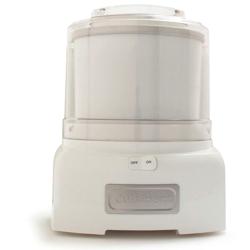
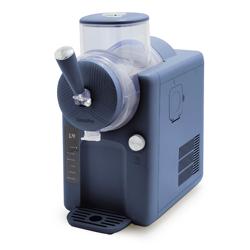
Summer dessert maker machines bring homemade ice cream, sorbet, frozen yogurt and fruit-based treats to the countertop, with different designs suited to different recipes and routines. Some churn a chilled liquid base in a pre-frozen bowl, some use a built-in compressor to provide cooling and others process frozen fruit or a base frozen in a dedicated container. The right fit depends on the desserts you enjoy, how much you want to make and how far ahead you prefer to prepare. For a household that loves strawberry ice cream after a backyard dinner, a freezer-bowl machine can make dessert part of an easy advance-prep routine. Its bowl needs to freeze for the full time specified by the manufacturer, so space in the freezer matters as much as space on the counter. Compressor machines handle the cooling themselves, reducing the need to plan around a frozen bowl, although bases may still need chilling before processing. They generally take up more room and weigh more, making them a practical choice for a dedicated spot in a kitchen where frozen desserts are a regular project. Traditional bucket-style machines use ice and rock salt around the freezing canister and can suit larger gatherings, provided there is room for setup and cleanup. Machines designed for frozen fruit offer a different experience: ripe bananas, berries or mango become a spoonable dessert without a traditional custard base. Container-based processing machines typically require the mixture to freeze in a compatible container before the machine transforms its texture. These approaches are not interchangeable, and a machine intended for one method may not support another. Matching the machine to a favorite dessert, whether that means peach frozen yogurt or rich chocolate ice cream, is more useful than choosing by the number of settings alone. Summer entertaining also brings different serving needs, from a few scoops alongside grilled peaches to enough vanilla ice cream for a table of brownie sundaes.
Capacity, texture and kitchen fit help distinguish summer dessert makers beyond their basic freezing method. A stated bowl capacity does not necessarily equal the amount of liquid base it can hold; churned mixtures need room to expand as air is incorporated, and maximum-fill markings should always take priority. Smaller batches suit households that enjoy trying a new flavor without filling the freezer, while larger batches can simplify dessert for a family cookout. For anyone who likes serving several flavors, the ability to prepare consecutive batches matters, too. A freezer bowl generally needs to freeze again between uses, while some compressor models can make successive batches according to their operating instructions. Freshly churned ice cream often has a soft, spoonable consistency and needs additional freezer time for firm scoops that hold their shape on a cone. Sorbet, gelato and dairy-free desserts have their own recipe requirements, so dedicated settings are helpful only when they match the machine’s supported uses and the recipes being prepared. Milkshakes and frozen drinks also require an appropriate function rather than an assumption that every frozen dessert machine can blend ice or handle added liquid. For flavor experimentation,
ice cream makers for customizable desserts can support everything from a simple vanilla base to combinations inspired by a favorite bakery treat. Crumbled cookies, finely chopped chocolate or a ribbon of fruit sauce add contrast when incorporated at the stage recommended in the recipe and machine instructions. Homemade preparation also gives cooks control over ingredient choices, though removing sugar or replacing dairy can change freezing behavior and texture. Tested recipes developed for the machine’s method provide a dependable starting point. Around the appliance itself, leave room to lift a lid, remove a bowl and serve comfortably. Check cabinet clearance, access to an outlet and any ventilation requirements, especially if the machine will stay on the counter. A manageable weight and an easy-to-grip bowl can make the difference between an appliance that becomes part of a routine and one that stays tucked away.
Materials and construction matter most where they affect everyday handling, freezing performance and care. Stainless steel housings can offer a sturdy exterior that wipes clean, while lighter plastic housings may be easier to move between a cabinet and a work surface. Neither material alone determines how well a machine makes dessert; bowl design, cooling method and the drive mechanism all contribute to performance. Food-contact components deserve particular attention, including the freezing bowl, paddle, lid and any dispensing parts. A removable bowl and accessible paddle can make it easier to scrape out the last spoonfuls of raspberry sorbet and wash away sticky residue before it dries. Clear lids are useful for watching a mixture thicken without interrupting the cycle, and an ingredient opening can simplify adding small mix-ins when the design allows. Care requirements vary, so dishwasher-safe parts should be confirmed individually rather than assumed for the whole appliance. Motor bases should not be immersed, and freezing bowls may require hand-washing and gentle utensils to protect their surfaces. Let cold components reach the temperature recommended in the care instructions before washing, then dry them thoroughly before storing or freezing again. For durability, look for securely fitting parts, straightforward assembly and care requirements that feel realistic for your household. These machines can be a thoughtful gift for a home baker who wants ice cream to serve with pies, a fruit lover who enjoys experimenting with ripe summer produce or a host who likes setting out toppings for a build-your-own sundae spread. For families, measuring a base and choosing flavors can become a shared kitchen activity, with an adult handling powered operation and any sharp processing components. Gift suitability also depends on the recipient’s counter space, freezer space and willingness to plan ahead. A compact footprint does not always mean a small freezer commitment, particularly when dedicated containers are required. With the right match, a summer dessert machine adds a satisfying homemade touch to familiar occasions, whether dessert is a bowl of lemon sorbet on the porch or coffee ice cream shared after dinner.