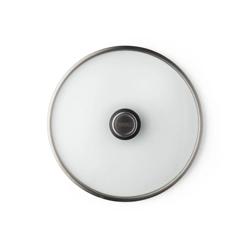
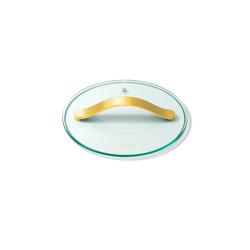
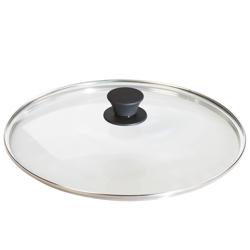
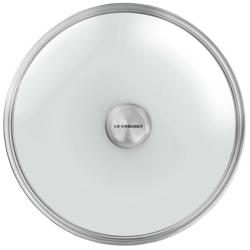
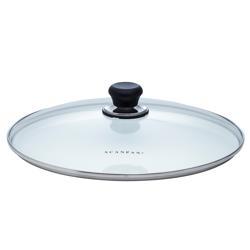
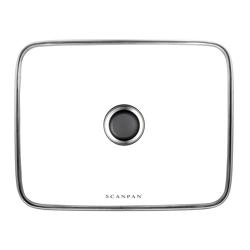
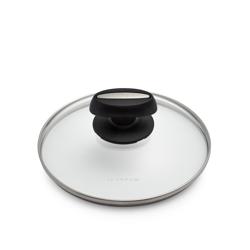
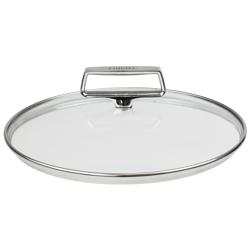
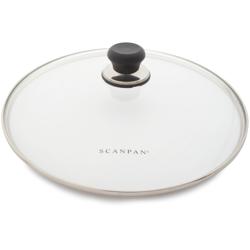
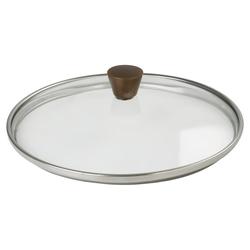
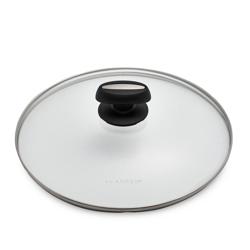
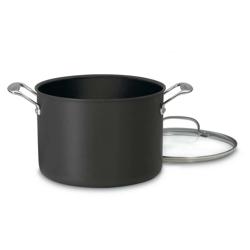
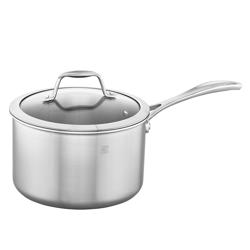
Tempered cookware covers are tempered glass lids that help retain heat and moisture while letting you check food without lifting the cover. They’re useful for everyday tasks such as simmering rice, steaming vegetables and gently cooking chicken in a shallow layer of broth. A clear lid gives you a view of bubbling liquid, rising steam and ingredients as they cook, so there’s less need to interrupt a simmer just to see what’s happening. Some condensation is normal, and the glass may fog during cooking, but visibility remains one of the main reasons to choose glass over an opaque cover. Keeping a pan covered slows evaporation, which helps when grains need time to absorb liquid or a braise needs to stay moist. Leaving the cover off allows more moisture to escape, making it better suited to reducing sauces or maintaining a crisp surface. That distinction makes a well-fitting lid a useful companion rather than something to leave on for every cooking task. For a pot of beans, a cover can help maintain a gentle simmer; for sautéed mushrooms, setting it aside lets moisture cook away. Tempered glass undergoes a heat treatment that makes it stronger than ordinary glass, although it is not unbreakable or immune to sudden temperature changes. Depending on the design, cookware covers may include a metal rim, a silicone edge or a steam vent that allows some vapor to escape. These details affect how the lid rests on the pan, how much steam it releases and how it feels to handle. A vented cover is not a pressure-cooking lid and should never be used as a substitute for one. For cooks preparing anything from a small serving of oatmeal to a family-size pot of soup, the appeal is straightforward: a cover that fits the cookware, supports the cooking method and makes it easier to keep an eye on dinner.
Fit matters as much as the glass itself. A cookware cover should rest evenly on the rim without rocking, slipping into the pan or sitting at an awkward angle. Two pans with the same stated diameter do not necessarily take the same lid, since rim shape, pouring spouts and the depth of the lid’s underside can affect the fit. Checking the cookware manufacturer’s dimensions and compatibility information is more dependable than choosing by appearance alone. When measuring, follow the lid maker’s instructions about whether the listed size refers to the pan opening, the outer rim or another measurement. A cover intended for a straight-sided saucepan may not seat correctly on a skillet with a flared edge, even when their listed sizes appear similar. Some designs fit one diameter, while others use stepped edges to accommodate several pan sizes. A secure fit helps limit steam escaping around the sides, but a regular cookware lid is not meant to form a pressure seal. Materials also make a difference in everyday handling. Stainless steel rims can help protect the glass edge from incidental contact, while some silicone-edged designs offer a softer contact point against the cookware. Neither feature replaces careful handling or a compatibility check. Handles deserve attention, too: a knob or loop should offer enough room for a secure grip with a dry potholder, especially when steam is collecting beneath the glass. Do not assume a handle stays cool simply because it is made from a different material than the rim. Oven suitability depends on the complete lid, including its handle, edge and any attached components, so the stated temperature limit should always take priority over the appearance of the glass. For kitchens with several frequently used pan sizes,
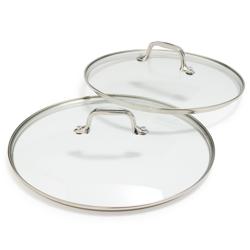
Tempered Glass Lid Sets can help bring those everyday covers together. Whether replacing a missing lid or organizing a collection of cookware, matching the sizes and intended uses helps prevent another almost-right cover from taking up cabinet space.
Thoughtful care helps tempered cookware covers hold up to regular use. Let a hot lid cool before washing it, and avoid moving it directly from a hot pan onto a cold or wet surface. Sudden temperature changes can cause glass to break, even when it has been tempered. A dry, heat-safe resting spot beside the stove also gives steam and condensation somewhere to settle without leaving a slippery puddle on the counter. Lift a lid so the opening faces away from your face and hands, since the steam underneath can burn. For cleaning, follow the manufacturer’s instructions rather than assuming every glass cover is dishwasher safe. Warm water, mild dish soap and a soft sponge are often enough for everyday residue; soaking a cooled lid can help loosen dried starch around the rim or splashes of sauce near the handle. Avoid abrasive cleaners and tools that could scratch the surface. Pay attention to edges and attachment points when cleaning, and stop using a lid that has chips, cracks or loose components. Tempered glass is durable, but damage can make it more vulnerable to breakage. Storage matters as well: lids kept upright in a divider or separated from heavy cookware are less likely to knock against hard edges when a cabinet opens. Avoid wedging a glass cover beneath a stack of pans or forcing it into a drawer that barely closes. These practical details are especially helpful in a first apartment, a shared kitchen or a busy household where cookware gets used several times a day. A properly matched cover can also be a thoughtful addition to a cooking gift when the recipient’s pan size and compatibility are known. For someone who regularly steams broccoli, reheats soup or cooks grains for packed lunches, usefulness comes from a lid that fits comfortably into an established routine. Clear glass, a secure grip and sensible care make these everyday kitchen pieces worth choosing with the same attention given to the pans beneath them.