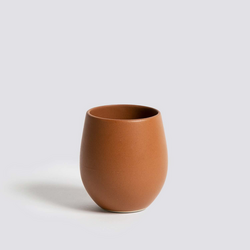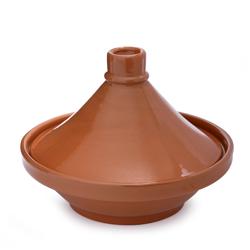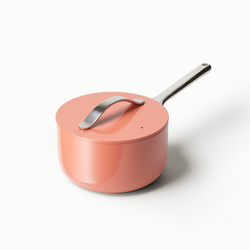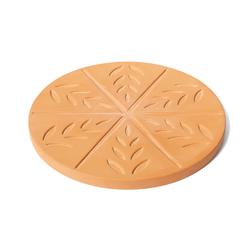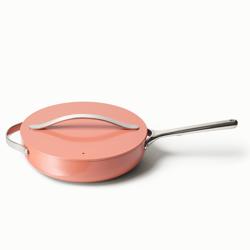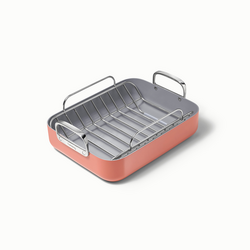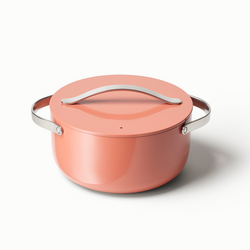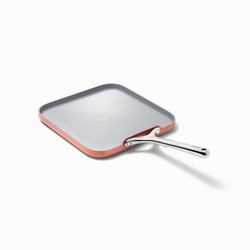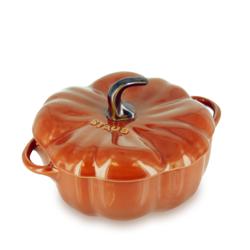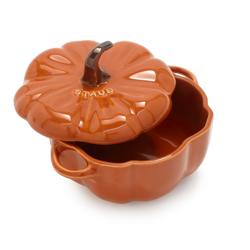
Terracotta kitchenware brings the warm, earthy character of fired clay to cooking, serving and everyday meals. Traditional terracotta is a type of earthenware, usually recognizable by its reddish-brown color and naturally porous body. Depending on its construction and finish, it may be intended for oven cooking, food preparation, serving or decorative use. The term also describes a color, so terracotta-colored kitchenware is not necessarily made from terracotta clay; material and care details matter more than appearance alone. For food-safe clay cookware designed for the oven, the appeal goes beyond its rustic surface. Earthenware heats gradually and retains warmth, making it well suited to recipes that benefit from gentle cooking rather than a quick burst of intense heat. Think of beans becoming tender in a savory broth, vegetables softening around a roast or a baked side staying warm while everyone settles at the table. A covered vessel can help hold steam close to the food, although results depend on its shape, lid fit and the recipe. Terracotta should not be expected to add a particular flavor on its own; its contribution is primarily the cooking environment it creates. At the table, its clay tones offer an easy backdrop for leafy greens, golden baked dishes and the deep colors of roasted vegetables. The look works just as comfortably with a simple weeknight meal as with a more generous spread during the cooler months. Pairing those earthy shades with cream-colored textiles, clear glass or natural wood keeps a setting relaxed without making it feel unfinished. Whether the goal is a kitchen with a few warm accents or a coordinated cooking and dining space, terracotta offers a connection between practical use and visual texture. The most useful choice is one that suits both the food being prepared and the way it will be shared, rather than a piece chosen for color alone.
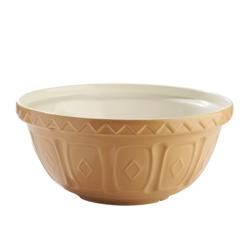
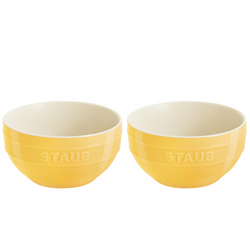
Materials, finish and dimensions help determine how terracotta kitchenware fits into a routine. Unglazed clay has an absorbent surface that requires different handling from a glazed interior, which generally makes food residue easier to remove. A glaze does not automatically mean a piece is nonporous, dishwasher safe or suitable for high heat, and a glossy finish is not proof that an item is intended for food contact. Look for a clear statement of intended use, along with any temperature limits and appliance compatibility. Earthenware is generally more porous than stoneware, so the two should not be treated as interchangeable even when they share a similar color. For cooking, choose according to the meals made most often. A broad, shallow shape exposes more food to the oven’s heat and encourages evaporation, while a deeper shape provides room for broths, layered dishes and recipes that need extra space above the ingredients. Capacity matters, but so do the outside measurements: handles and lids need to clear the oven walls, and a full dish needs a stable place to land when it comes out. Consider its weight when filled, whether the handles are easy to hold with oven mitts and how comfortably it will pass around the table. For serving and food preparation, a stable base, comfortable rim and manageable size can make daily use more pleasant. Smaller households may appreciate proportions that suit everyday portions, while people who often host may prioritize generous capacity and a shape that leaves room for other dishes on the table. For a coordinated setting,
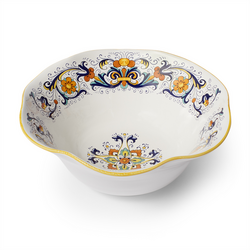
Earthenware Kitchen Bowl Sets can complement the warm palette without requiring every surface to match exactly. Slight differences in tone, texture and finish can add interest, especially beside familiar dinnerware. Storage deserves the same attention as table space: check shelf height, allow clearance for lids and avoid arrangements that put pressure on delicate rims or handles.
Caring for terracotta kitchenware starts with the manufacturer’s directions, particularly before its first use. Some traditional unglazed cooking vessels require soaking, while others do not, so there is no single soaking time or preparation method that applies to all terracotta. Glazed and unglazed surfaces can also have different cleaning requirements within the same piece. Protecting clay from abrupt temperature changes is especially important because thermal shock can cause cracks. Some clay cookware is designed to start in a cold oven and warm gradually; follow the instructions rather than assuming it can go into a preheated oven. Never assume oven-safe earthenware is also suitable for a stovetop, broiler, grill or open flame. Each heat source requires explicit approval for that use. Avoid transferring a chilled vessel directly to a hot oven unless its directions permit it, and do not add cold liquid to hot clay. When cooking is finished, set hot kitchenware on a dry, heat-resistant trivet rather than a cold or wet surface, then let it cool before washing. Use the recommended cleaning method and avoid abrasive tools that could damage the finish. Porous, unglazed clay may absorb detergent or food odors, making its specific washing instructions particularly important. Let it dry thoroughly before putting it away, and protect rims from knocks during washing and storage. Terracotta can give years of service with suitable care, but it remains breakable and is not the best choice for every high-impact kitchen task. Check food-contact surfaces for cracks, chips or deteriorating glaze before continued use. These practical considerations also make gift selection more thoughtful. Someone who enjoys slow weekend cooking, relaxed entertaining or a table set with natural materials may welcome terracotta kitchenware, especially when its size and care requirements fit their habits. A recipient who depends on the dishwasher or prefers lightweight cookware may be better served by a different material in a similar earthy shade. Matching the material to the person helps ensure its appeal lasts well beyond the first meal.