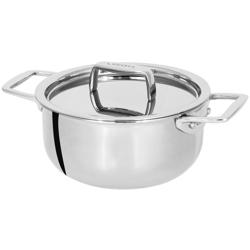
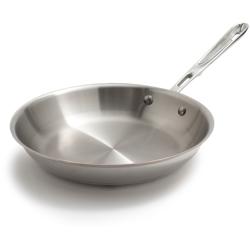
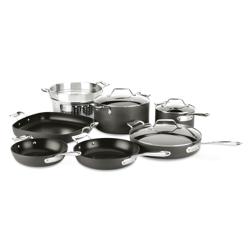
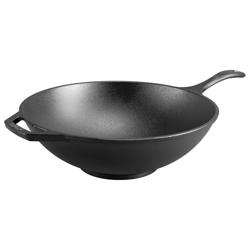
Thomas Keller cookware brings Italian craftsmanship and the perspective of a Michelin-starred chef to the home kitchen. Developed in collaboration with chef Thomas Keller, the collection reflects professional priorities: dependable heating, durable construction and thoughtful handling. Those qualities matter just as much when preparing dinner for two as they do when cooking several courses for guests. A pan that responds predictably makes it easier to brown chicken without scorching the flavorful bits underneath, soften shallots without burning their edges or reduce a sauce to the right consistency. Clad stainless steel construction brings together different metals, pairing a durable stainless steel surface with conductive layers that help distribute heat across the cooking area. Stainless steel is especially useful for searing, sautéing and building pan sauces because it allows browning to develop on the surface. A splash of stock or wine can loosen those browned bits and turn them into the foundation of a sauce. It also accommodates acidic ingredients such as tomatoes and lemon juice without requiring the seasoning associated with some other cookware materials. The appeal is not limited to experienced cooks. Someone learning to recognize the difference between a gentle simmer and a hard boil can appreciate cookware that makes heat adjustments easier to manage. For a confident home cook, the same responsiveness supports more precise work, from finishing a delicate sauce to controlling the final minutes of a reduction. Construction alone does not determine the experience, though. The weight of a vessel, the shape of its sides and the feel of its handle all influence how naturally it fits into a cooking routine. Well-considered cookware should feel useful rather than precious, ready for the repeated tasks that turn ingredients into meals. The value of chef-informed design lies in those practical moments: moving a full pan securely, stirring comfortably and bringing food to the table with fewer awkward steps.
Choosing Thomas Keller cookware starts with the meals you enjoy making and the space available to make them. A broad cooking surface gives mushrooms, cutlets or vegetables room to brown instead of crowding together and steaming. Taller sides are helpful for liquids, grains and preparations that need frequent stirring, while a shallower shape makes it easier to reach beneath food with a spatula. Capacity matters, but it tells only part of the story. Two vessels with similar capacities can behave differently if one is wide and low and the other narrow and deep. The wider shape encourages evaporation, which is helpful for reducing stock or concentrating a tomato sauce; the deeper shape provides more room for simmering and containing splashes. For everyday use, the best fit also depends on burner size, cabinet space and how much weight feels comfortable to lift once food is added. Handle clearance deserves attention in a compact kitchen, especially when several burners are in use. A lid can help retain moisture for braising or cooking grains, while uncovered cooking allows steam to escape when browning and reduction are the goal. Cooktop compatibility and oven-use limits should be checked for each piece rather than assumed from its appearance, particularly when handles, lids or cooking surfaces differ. Anyone who regularly moves dinner from the stovetop to the oven benefits from knowing those limits before cooking begins. For a broader view of cookware built around these practical demands,
Chef's Cookware offers a related perspective on tools suited to technique-driven cooking. A collection does not need to duplicate every shape to feel complete. Thoughtful choices can cover the meals made most often, whether that means eggs before work, a vegetable sauté at lunch or a slowly braised dinner. The goal is a useful range of cooking surfaces and capacities that works with your habits, not a cabinet filled with pieces that rarely leave the shelf.
Long-term satisfaction with Thomas Keller cookware also depends on matching everyday technique and care to the material. Stainless steel rewards controlled preheating and sensible heat settings; the highest burner setting is rarely necessary for every stage of a meal. Adding oil at the appropriate point, drying ingredients before searing and giving food time to brown can make cooking more predictable. Protein may initially adhere to an uncoated surface, then release more readily as a crust develops, so forcing it loose too soon can work against the result. A nonstick surface serves a different purpose, helping delicate foods release with less effort, but its utensil and heat requirements deserve particular attention. Care instructions for the individual piece should always take priority. Allowing cookware to cool before washing helps avoid the stress of a sudden temperature change, and a soak in warm, soapy water can loosen residue without aggressive scrubbing. For stainless steel, a cleaner formulated for the material may help remove discoloration or stubborn marks when used as directed. Nonstick surfaces generally benefit from gentle cleaning tools and utensils that will not scratch the coating. Even where dishwasher use is permitted, hand-washing can be a practical choice for preserving appearance over time. Drying thoroughly before putting cookware away and using protective layers between stacked pieces also help prevent unnecessary wear. These straightforward habits support cookware intended for regular use, not just occasional entertaining. They also make this category a thoughtful gift for someone establishing a kitchen, celebrating a wedding or returning to a favorite interest in cooking. The most useful gift reflects the recipient’s meals, storage space and comfort with weight and maintenance. An enthusiastic beginner may appreciate a versatile shape for familiar recipes, while an experienced cook may value a particular capacity or cooking surface that fills a genuine gap. In either case, the lasting appeal comes from cookware that feels comfortable in the hand, performs predictably on the stove and earns its place through repeated use.