-
(1)
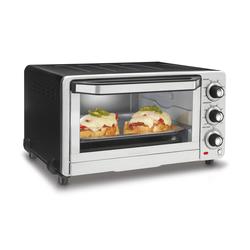
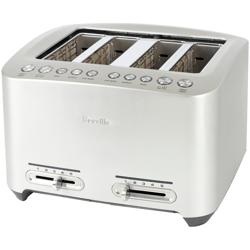
A sleek stainless steel and black toaster featuring wide slots, Perfect Toast Technology, and Peek & Pop® function.
Pros: looks great, better than most, operates smoothly
-
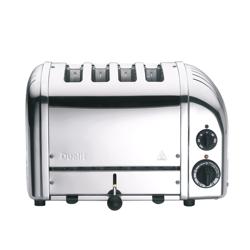
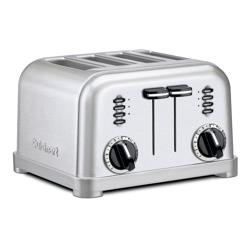
A chrome stainless steel toaster with extra-wide slots, manual ejector lever, and patented ProHeat® elements.
-
(2)
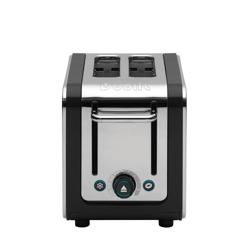
A sleek stainless steel and black toaster featuring extra-wide slots, Perfect Toast Technology, and Peek & Pop®.
Pros: fast shipping, superior toast quality, quality
-
(153)
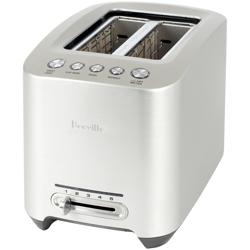
A smart toaster with innovative features, adjustable settings, extra-large slots, and a brushed die-cast metal design.
Pros: durable, reliable, attractive design
-
(189)
A silver, stainless steel toaster with smart toasting technology, adjustable settings, and extra-large slots.
Pros: durable, perfect toast, appearance
-
(630)
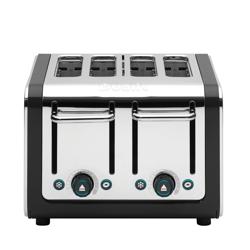
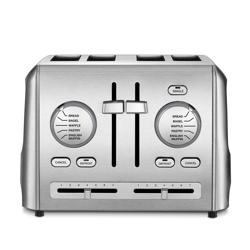
A sleek silver toaster with dual control panels for toasting two items at once.
Pros: even toasting, wide slots, attractive appearance
Toaster For Buns
Upgrade your breakfast routine with these perfect toasters for buns. Whether you prefer warm and crispy bagels, English muffins, or deliciously toasted hamburger buns, we have just what you need to start your day off right. These bun toasters feature advanced technology and innovative designs that ensure even toasting every time. With adjustable settings and convenient features like extra-wide slots and bagel functions, these toasters are sure to become your new kitchen essential.
Toaster For Buns
FAQ List
Yes, a toaster for buns can usually accommodate different types of bread, such as sliced bread, bagels, English muffins, and more.
Most toasters for buns do not require preheating. Simply plug it in, adjust the settings, and place your buns in the slots for toasting.
Yes, many toasters for buns have a defrost function that allows you to toast frozen buns without any issues. Just adjust the settings accordingly.
Cleaning a toaster for buns is usually a breeze. Most models come with a removable crumb tray, making it easy to dispose of any crumbs or debris. Additionally, the exterior can be wiped clean with a damp cloth.
Yes, a toaster for buns can toast gluten-free buns as well. However, it's important to ensure that the toaster is thoroughly cleaned to avoid cross-contamination if you have gluten sensitivities.
-
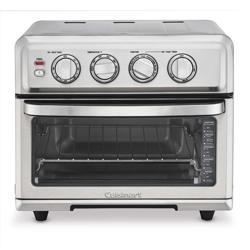
"Great toaster oven. I love that it is easy to operate and very reliable"
-
"Love it. It has the best features and is so fast. It is the best toaster I have ever had"
-
"Love it. It has the best features and is so fast. It is the best toaster I have ever had"
-
"The appliance cooks great and cleans up easy, I love this toaster oven, it's the best I ever had"
-
"This is the BEST toaster ever, I absolutely love it"