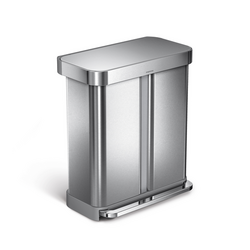
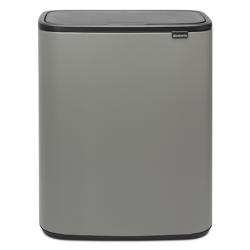
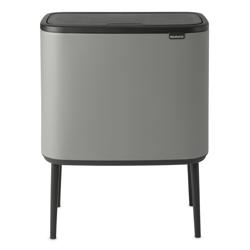
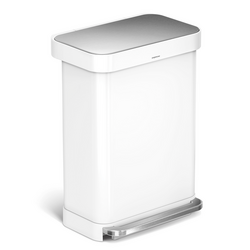
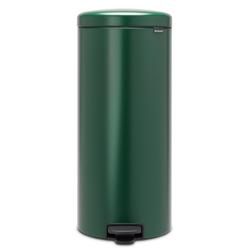
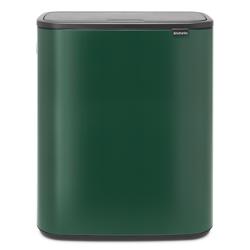
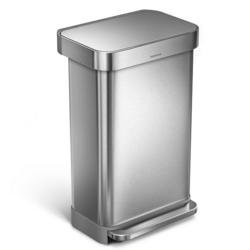
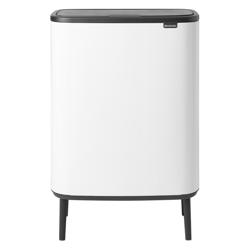
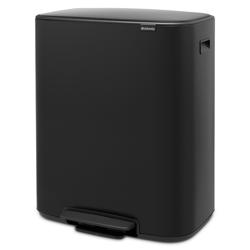
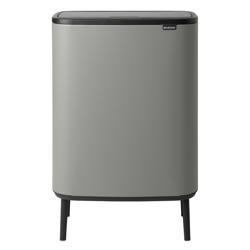
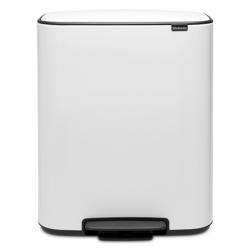
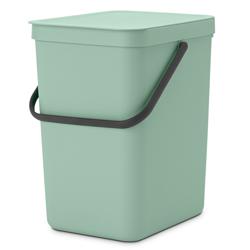
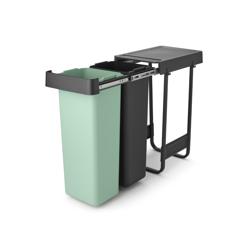
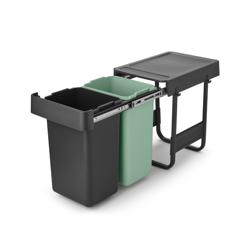
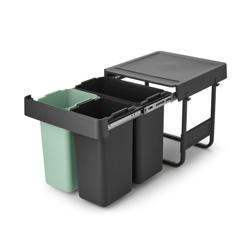
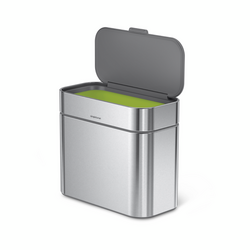
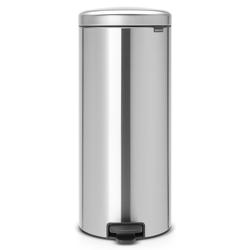
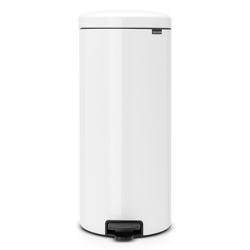
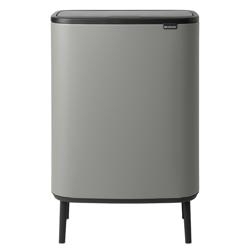
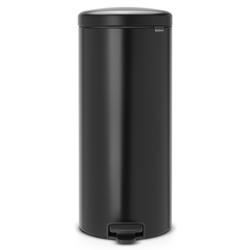
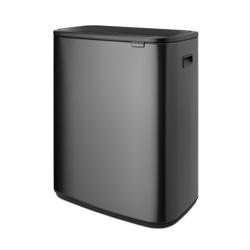
Trash cans for dorm rooms work best when they fit the space, hold everyday waste and are easy to empty and clean. A compact 2- to 3-gallon trash can often suits one student’s desk area, while a slim 7- to 11-gallon can may better serve roommates who share a main waste bin. Capacity is only part of the fit: the can’s width, depth and lid clearance matter just as much in a room where a bed, desk and dresser already take up most of the floor. A narrow rectangular shape can sit neatly beside a desk or against a wall, while a small round bin may tuck into an open corner. The most useful shape leaves room to pull out a chair, open a drawer and walk comfortably between furniture. Under-desk placement keeps a wastebasket close to where snack wrappers, used tissues and packaging tend to collect, but it should still leave comfortable legroom. A shared can near a food preparation area can make more sense for takeout containers and other bulky waste, provided it stays clear of walkways and doors. Smaller bins encourage frequent emptying, which is especially helpful when food scraps are involved. Larger cans allow more room between trips to the building’s disposal area, though extra capacity should not mean leaving food waste sitting longer. Lids also change how a can fits into daily life. An open-top wastebasket is convenient for dry desk waste, while a covered can keeps discarded food and used packaging out of sight. A step pedal allows hands-free opening, but it needs enough floor space to operate without bumping nearby furniture. Hinged lids need clearance overhead, too. Even a compact can can feel awkward beneath a low desk if its lid cannot open fully. For a shared room, easy access matters more than squeezing the largest possible container into the smallest possible gap. Roommates should be able to use it without moving a backpack or reaching across someone else’s belongings.
Materials influence how a dorm trash can looks, how much it weighs and how it stands up to repeated use. Plastic is generally lightweight, making it manageable to carry to a disposal area or move while cleaning the floor. Smooth plastic surfaces are also easy to wipe, although textured finishes, deep seams and tight corners can require more attention. Stainless steel provides a durable exterior and a clean, understated look that works with many room styles. Depending on the finish, fingerprints, water spots and small dents may be more noticeable, so care requirements deserve a little consideration alongside appearance. Neither material makes a can maintenance-free, especially when drinks, sauces or damp food packaging end up inside. A removable inner bucket can make spills easier to reach and clean without carrying the entire outer can to a sink. An interior with fewer grooves gives crumbs and residue fewer places to collect. For covered cans, sturdy hinges, a secure lid connection and a pedal that operates smoothly are useful details for something that may be opened many times a day. A soft-closing lid can also reduce the clatter of a late-night cleanup when a roommate is asleep nearby. Cleaning should follow the manufacturer’s instructions, with attention to the underside of the lid, the rim and any removable liner bucket. Mild soap and water may be appropriate for washable components, but abrasive scrubbers and harsh cleaners can damage some finishes. Let cleaned parts dry before adding a fresh bag. Liners help contain everyday mess, but the right fit depends on the opening and bucket shape as well as the listed gallon capacity. A bag that is too short can slip inside, while excessive loose material can interfere with the lid. A secure liner with enough room to tie at the top makes carrying trash through a hallway less awkward and helps keep the inside of the can cleaner between washes.
A useful dorm room setup also reflects what actually gets thrown away. A student who eats most meals in a dining hall may need little more than a small bin for tissues, wrappers and miscellaneous desk waste. Someone who regularly eats in the room may benefit from a covered main can, with food scraps emptied promptly rather than left until the bag is full. Takeout bowls and drink cups occupy space quickly, even when the waste itself is light. Emptying leftover liquids before disposal helps reduce leaks, while flattening suitable packaging keeps a small bin from filling with trapped air. Pizza boxes and other oversized cardboard may need to go directly to a designated collection area rather than into a dorm-size trash can; campus rules determine what belongs in recycling and how food-soiled packaging should be handled. A separate container for accepted recyclables can make sorting easier, particularly when roommates have different schedules. Matching the containers is less important than making their purposes clear and keeping both accessible. The same considerations apply to
Indoor Trash Containers used in apartments, bedrooms and compact home offices, where floor space and easy cleanup matter every day. For students moving between campus housing and home, a can that is light enough to carry and straightforward to clean can remain useful beyond a single room assignment. Neutral finishes can work with changing bedding and furniture, while a more colorful wastebasket can add a small personal touch without taking up additional space. As a practical gift for a college-bound student, a trash can is most useful when its dimensions suit the room and its liner requirements are easy to manage. It may not be the first thing packed for campus, but it earns its place with every discarded shipping label, snack wrapper and late-night study-session cleanup. The right balance of size, durability and convenient emptying helps keep a small shared room comfortable without making waste storage a bigger part of the space than it needs to be.