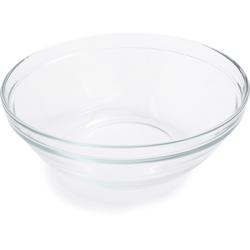
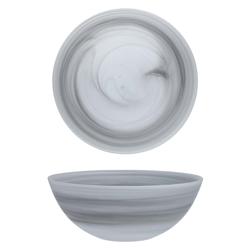
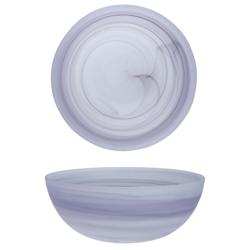
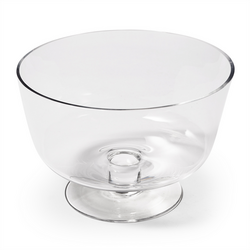
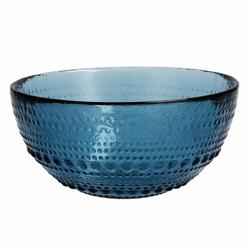
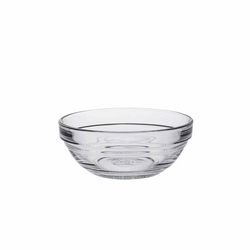
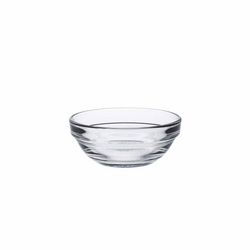
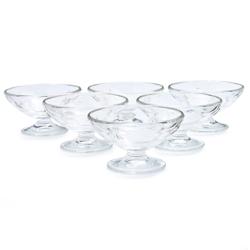
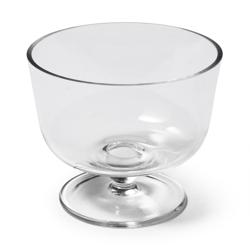
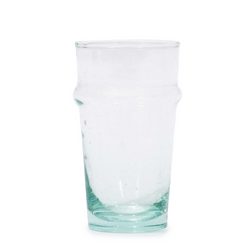
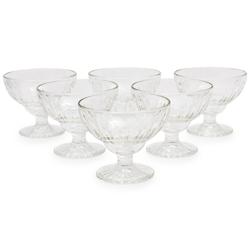
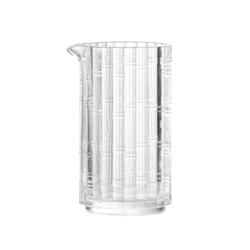
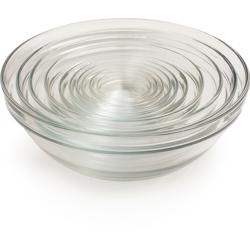
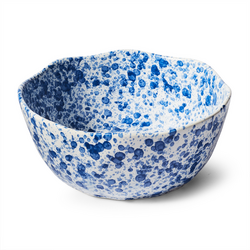
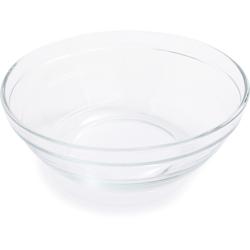
Unique glass bowls bring something special to the table without asking you to rethink everything around them. A rippled surface catches the light beside simple white plates, a softly colored rim picks up a shade from a tablecloth and an unexpected silhouette gives even a bowl of fresh fruit a little more presence. Glass has a long history in food preparation and serving, valued for its smooth surface and the way it lets the contents become part of the presentation. That transparency is especially appealing with layered desserts, leafy salads and colorful vegetables, where the view from the side can be just as inviting as the view from above. Clear glass keeps the focus on those ingredients, while tinted, frosted or textured glass adds another element to the setting. The most useful distinction is not necessarily between plain and decorative, but between a bowl that looks interesting on its own and one that also suits the way you eat and entertain. A wide, shallow shape gives a grain salad room to spread out so the toppings stay visible. A deeper bowl helps contain greens as they are tossed, provided there is enough room for the utensils to move comfortably. Smaller bowls make dips, olives and individual desserts feel thoughtfully presented without taking over the table. Shape also changes how a bowl sits alongside other pieces: rounded profiles tend to blend easily with everyday dinnerware, while angular edges and asymmetrical rims create more contrast. Mixing these details can feel relaxed rather than mismatched when there is a shared color, texture or proportion. For a table that already has patterned plates or expressive linens, clear glass offers a quieter companion. Against an otherwise simple setting, a sculptural glass bowl can serve as the main decorative element, with no elaborate arrangement needed. The appeal is as much about everyday enjoyment as entertaining, whether that means serving yogurt at breakfast or putting a salad in the center of the dinner table.
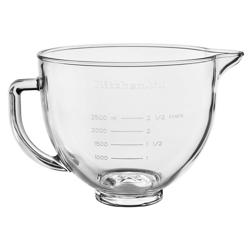
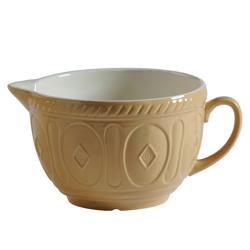
Appearance is only part of choosing glass bowls that will earn a regular place in the kitchen. Consider the foods they will hold, how they will be carried and where they will be stored between uses. Diameter tells you how much table or cabinet space a bowl needs, but depth and capacity give a better sense of what fits inside. A broad rim can make a bowl look generous while leaving a smaller usable interior, and a narrow opening may make serving with large utensils awkward. For shared dishes, leave space above the food so guests can scoop comfortably without spilling onto the table. For individual portions, a bowl should feel comfortable to hold and leave room for a spoon to move around the sides. A stable base matters, particularly for taller shapes or bowls used with heavier serving utensils. Weight deserves attention, too: substantial glass can feel reassuring on a table, but a large bowl becomes much heavier once filled. If it will travel often from counter to dining room, look for a shape that offers a secure grip. Glass composition and construction also influence intended use. Tempered glass is treated to improve strength, while borosilicate glass generally offers greater resistance to temperature changes than ordinary soda-lime glass. Neither description alone establishes that a bowl is suitable for every cooking task; the manufacturer's directions should determine whether it can go in the microwave, oven, freezer or dishwasher. Decorative finishes may have their own restrictions, even when the underlying glass is otherwise durable. For mixing and pouring rather than table presentation,
Glass Batter Bowls offer a related option, with designs that may include handles, pouring spouts or measurement markings. Separating preparation needs from serving preferences helps avoid choosing a beautiful bowl for a task it was never meant to handle. Storage is another practical consideration. Nesting shapes can save room, but unusual rims, pedestal bases and raised decoration may need their own shelf space. Measuring a cabinet opening before choosing a tall or wide shape is a small step that can prevent daily frustration.
With thoughtful care, glass bowls can remain useful and attractive through many meals, though no glass is immune to chips, scratches or breakage. Follow the care directions for each piece rather than assuming all glass can be cleaned or heated the same way. Hand-washing with mild dish soap and a soft sponge is a gentle approach for delicate shapes and decorative surfaces when consistent with the manufacturer's instructions. Raised patterns and textured exteriors may need a little extra attention around the details, while a smooth interior makes it easier to remove dressings, dips and dessert residue. If a bowl is dishwasher safe, position it securely with enough space to keep it from knocking against nearby dishes. Drying with a soft, lint-free cloth can help reduce water spots and keep clear glass looking bright. Avoid abrasive cleaners and scouring pads that could scratch the surface, and protect rims from hard contact with faucets, countertops and other bowls. When stacking is appropriate, a soft separator helps prevent glass-on-glass contact. Sudden temperature changes can cause breakage, so do not move a bowl directly between hot and cold environments unless it is specifically designed for that use. Inspect frequently used bowls for chips or cracks, especially along the rim, and stop using damaged pieces for food. These practical details also make a difference when choosing unique glass bowls as gifts. Someone who enjoys hosting may appreciate a versatile serving shape that works with dinnerware they already own, while a person furnishing a first kitchen may get more use from manageable sizes that fit a smaller cabinet. For a recipient who loves setting the table, distinctive texture or subtle color can feel personal without requiring an exact match to a dinnerware pattern. Consider their habits as much as their taste: easy care, comfortable handling and flexible use often matter more than dramatic proportions. A well-chosen glass bowl brings its character to the meal while leaving plenty of room for the food, the setting and the people gathered around it.