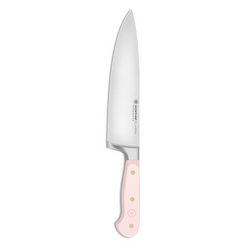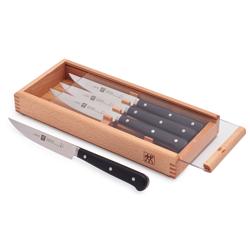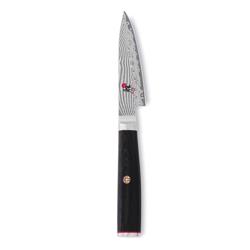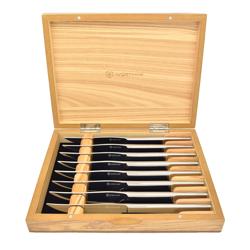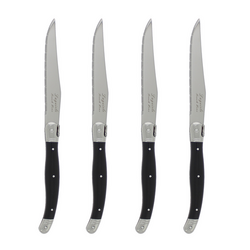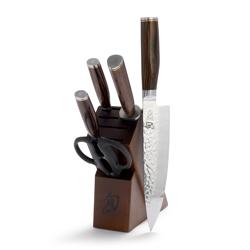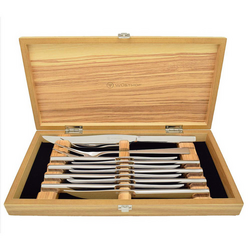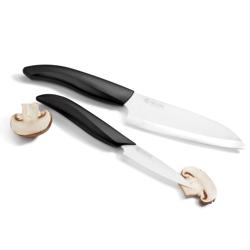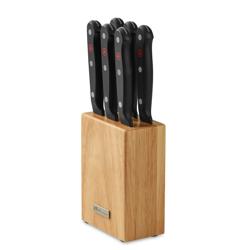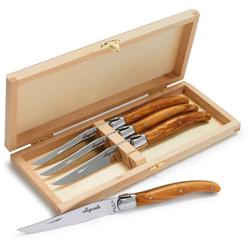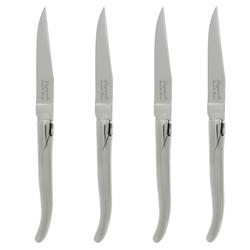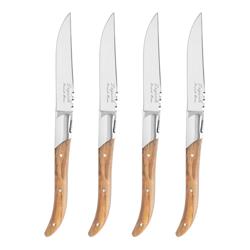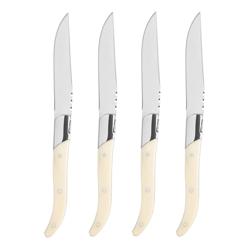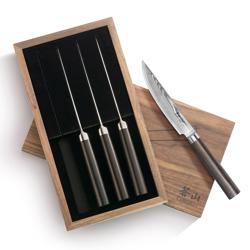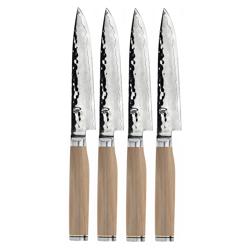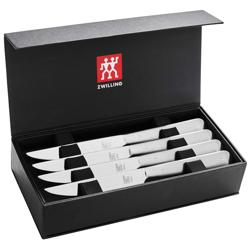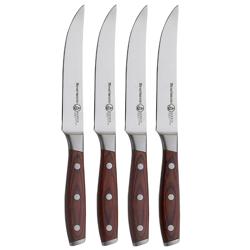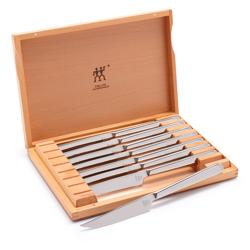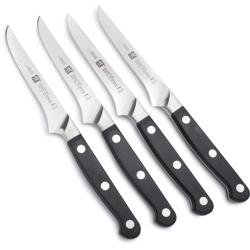
Valentine’s Day knives are kitchen cutlery chosen for thoughtful gifting, shared meal preparation and dinners that feel a little more special. For someone who loves to cook, a well-suited knife can be both a personal gift and a tool that earns its place in the kitchen long after the occasion. The connection is in the everyday details: knowing that a partner enjoys slicing vegetables for homemade soup, that a spouse has started baking crusty bread or that a favorite cooking companion takes particular pleasure in preparing a beautiful steak dinner. Kitchen knives bring practical value to those moments, with shapes and sizes suited to everything from trimming strawberries to carving a roast. A chef’s knife has a broad blade and a versatile profile for chopping herbs, dicing onions and working through larger vegetables. A santoku offers another versatile shape, often with a flatter cutting edge that suits an up-and-down chopping motion. Smaller paring knives are useful for peeling fruit and making controlled cuts close to the hand, while utility knives bridge the space between compact detail work and larger prep tasks. Serrated bread knives cut through a firm crust with a sawing motion that helps preserve the tender interior. At the table, steak knives give each diner a dedicated cutting edge for cooked meat and other foods that need more than a standard dinner knife. Valentine’s Day knife gifts do not need a heart motif to feel connected to the occasion; a comfortable handle, an appealing finish and a blade suited to the recipient’s favorite recipes can make the choice personal. For couples who cook together, complementary knife styles can also make shared prep more comfortable, with one person slicing bread while the other chops vegetables. The best fit is less about an elaborate display and more about the meals, habits and small rituals that make time in the kitchen enjoyable.
Blade material, construction and handle design all influence how a kitchen knife feels during those familiar tasks. Stainless steel is a common choice because it offers useful resistance to rust and staining, although it still benefits from prompt cleaning and drying. The phrase “high-carbon stainless steel” describes steel that combines carbon content with corrosion-resistant properties; performance depends on the particular alloy, heat treatment and blade geometry rather than that description alone. Carbon steel can take a fine edge and may develop a patina with use, but it requires attentive care to limit rust, especially after cutting acidic ingredients such as tomatoes or citrus. Neither material eliminates the need for sharpening. Forged and stamped blades can both serve a home kitchen well, and the construction method alone does not determine quality or comfort. A thicker, heavier blade may feel reassuring for substantial prep, while a thinner, lighter blade can feel easier to maneuver through a pile of vegetables. Edge shape matters, too: a curved belly supports a rocking motion, while a flatter profile favors more direct downward cuts. Handle fit is just as personal. Wood brings natural grain and warmth, while synthetic materials can offer consistent texture and relatively straightforward care. Smooth transitions, a secure grip and enough room for the knuckles help make repeated cutting more comfortable. Someone who cooks in a compact kitchen may appreciate a manageable blade length, while a cook preparing larger ingredients may prefer the reach of a longer knife, provided the cutting board has room for it. Balance is not simply a matter of choosing the lightest option; it is the relationship between blade and handle and how that weight sits in the user’s hand. For a left-handed recipient, handle symmetry and edge design also deserve attention, since some knives are shaped or sharpened for a particular hand. These details help distinguish a gift that looks appealing from one that feels natural during dinner prep.
Lasting usefulness also depends on matching the knife to its intended work and giving it a suitable place to rest between meals. Fine kitchen edges are designed for controlled cutting, not prying lids, twisting through frozen food or chopping bones unless the knife is specifically made for that purpose. A wood or suitable plastic cutting board is gentler on an edge than glass, stone or a dinner plate. Hand-washing with mild soap, followed by immediate drying, helps protect both blade and handle; prolonged soaking and the heat and movement of a dishwasher can damage materials or bring edges into contact with other utensils. Knives are safest to clean individually rather than leave hidden in a sink of soapy water. Between uses, blade guards, a fitted drawer insert, a knife block or an appropriate magnetic holder can keep cutting edges protected and out of loose utensil drawers. Honing and sharpening serve different purposes: honing can help maintain an edge between sharpenings, while sharpening removes metal to restore the cutting edge. The right method depends on the blade, so the maker’s care recommendations matter, particularly for harder steels or specialized edge designs. A gift feels more considered when those maintenance needs fit the recipient’s routine. An enthusiastic home cook who enjoys caring for tools may welcome a blade that rewards extra attention, while someone making quick dinners may prefer materials with simpler care requirements. A single versatile knife can be meaningful for a person building a kitchen, while a coordinated assortment may suit a couple establishing shared cooking habits. Table knives bring the focus to serving and enjoying the meal, making them a natural connection to date-night dinners at home. For a broader kitchen gift,
Valentine’s Day cooking tools can complement cutlery with utensils suited to the same favorite recipes. A knife chosen with the recipient’s cooking style in mind carries its sentiment through repeated use: fresh herbs chopped for a sauce, a sandwich neatly divided for lunch or warm bread sliced to share.