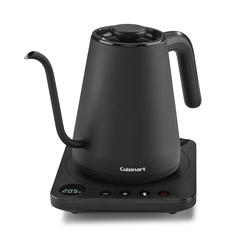
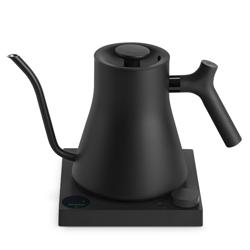
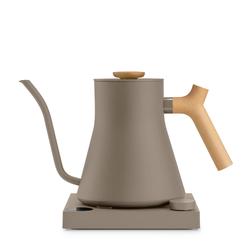
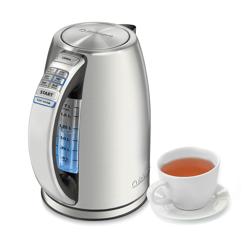
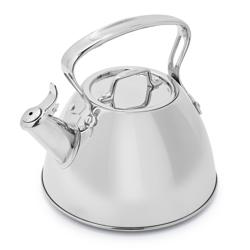
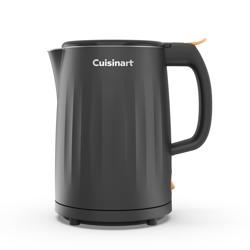
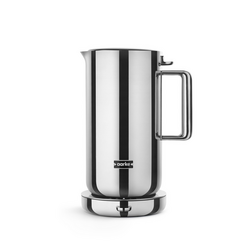
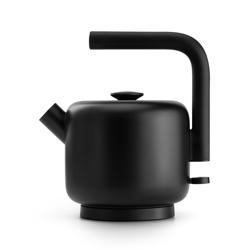
Variable-temperature gooseneck kettles put precise heating and a controlled pour in the same tool, making them a useful addition to a pour-over coffee setup or a well-used tea station. The long, narrow spout helps direct water where it is needed, whether that means gently saturating freshly ground coffee or filling a small teapot without splashing the counter. For pour-over brewing, that control is especially helpful during the first pour, when the grounds swell and release gas, and during the slow circles that follow. A steady stream makes it easier to wet the coffee evenly rather than sending a rush of water through one spot. Adjustable temperature settings add another way to keep the brewing process consistent. Water temperature affects extraction, along with grind size, brewing time and the proportion of coffee to water, so a kettle with a selectable setting helps keep one important part of the routine repeatable. Many coffee brewing methods use water between 195 and 205 degrees Fahrenheit, although the right setting depends on the beans, roast and recipe. Tea benefits from that flexibility, too. Delicate green teas often call for water below boiling, while many black teas and herbal infusions need hotter water to develop their flavor. The tea’s brewing directions remain the best starting point. Rather than bringing every batch to a boil and waiting for it to cool, a variable-temperature kettle heats toward the selected setting. Depending on the design, controls may offer preset temperatures, more closely spaced adjustments or a temperature-hold function. These differences matter during everyday use: someone brewing the same coffee each morning may appreciate a simple, repeatable setting, while a household that moves between green tea, black tea and pour-over coffee may value a wider range of adjustments. The goal is not a more complicated drink routine, but a kettle that makes the preferred routine easier to repeat.
The shape, materials and balance of a gooseneck kettle deserve as much attention as its temperature controls. Stainless steel is a practical choice for the water chamber because it stands up well to frequent heating and regular cleaning, though interior construction, exterior finishes and handle materials vary. A painted or coated exterior may need gentler cleaning than bare metal, and a metal body can become hot during use unless it has insulation designed to limit surface heat. The handle should feel secure with a full kettle, not just an empty one. Its angle, clearance from the body and grip shape all affect how comfortable a slow pour feels, particularly when brewing several servings. Spout geometry also influences the stream; a narrow opening alone does not determine how smoothly a kettle starts pouring or how cleanly it stops. Capacity is another practical consideration. A compact kettle may be enough for a single mug or small coffee brewer, while a larger vessel can be more convenient for a shared pot of tea. The maximum fill line matters more than filling the body to the brim, and minimum water requirements should also fit the amount usually heated. Countertop fit includes the base, cord placement and room to lift the kettle clear of nearby cabinets. Controls that are easy to read and use can make a difference before the first cup of the day, especially when temperature selection and heating status are clearly displayed. Some designs allow the kettle to return to its base from different directions, and some maintain a selected temperature while coffee is ground or cups are prepared. Automatic shutoff and boil-dry protection are useful safety features to consider, with operation varying by model. Electric kettles belong on their intended powered bases rather than a stovetop, and the manufacturer’s instructions should determine how each kettle is filled, heated and handled.
Daily care helps preserve both the kettle’s appearance and its usefulness. These kettles are generally intended to heat water, with coffee grounds, tea leaves, milk and sweeteners kept in the brewer or cup unless the manufacturer specifically permits otherwise. That separation keeps residue out of the water chamber and the narrow spout, where cleaning can be more difficult. Mineral deposits can still collect inside, particularly in hard-water areas, and may appear as a pale film or small flakes. Descaling at the intervals recommended by the manufacturer helps keep that buildup from becoming a persistent part of the brewing routine. A manufacturer-approved descaler or an approved household solution should be used according to the kettle’s care directions, followed by thorough rinsing. The electrical base and connections should stay dry, and an electric kettle should not be immersed or placed in the dishwasher unless its instructions explicitly allow it. A soft cloth is usually more appropriate for exterior care than an abrasive pad, especially on a finished surface. Durability also depends on habits such as avoiding overfilling, handling the lid gently and allowing the kettle to cool before cleaning. For tea-focused households, the wider category of
Tea Brewing Kettles provides another place to consider how spout shape and heating controls suit the preferred brewing method. A gooseneck design is particularly appealing when careful pouring is part of the pleasure, but its deliberately measured stream may feel slower when the main task is filling a large pot. As a gift, a variable-temperature gooseneck kettle makes sense for someone who already enjoys pour-over coffee, experiments with loose-leaf tea or wants more consistency from a daily cup. Matching capacity, controls and countertop footprint to that person’s habits is more useful than choosing the longest feature list. The best fit is a kettle that feels comfortable in the hand, works naturally with the brewing equipment already in use and earns its place on the counter day after day.