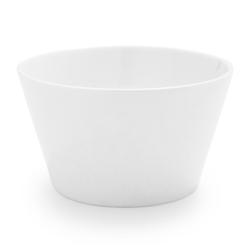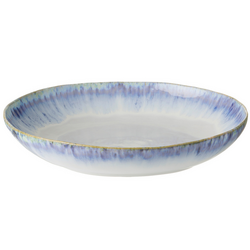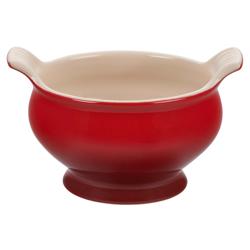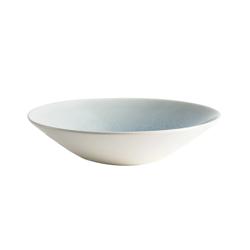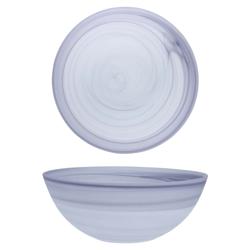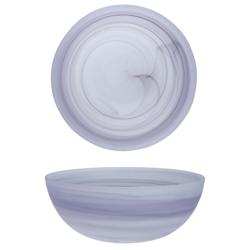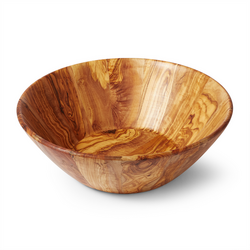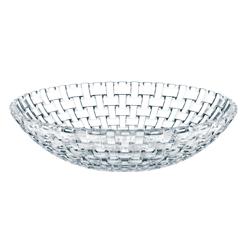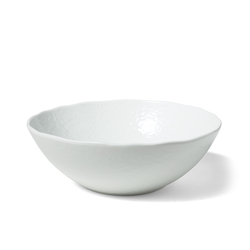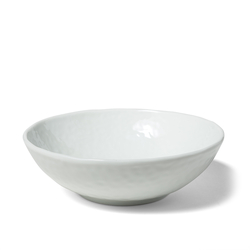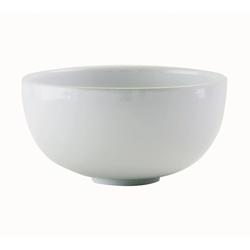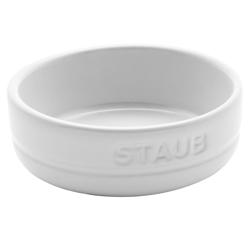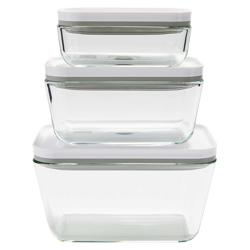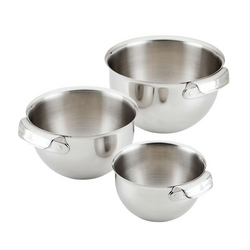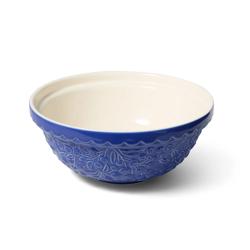
Versatile kitchen bowls bring together the everyday jobs of mixing, prepping, serving and storing food, with the right material and shape making each task more comfortable. Stainless steel bowls are lightweight and durable for whisking and tossing, glass bowls let you see ingredients as they come together and ceramic bowls make an easy transition from kitchen counter to dining table. Plastic bowls offer lighter handling for everyday prep, while lids, nonslip bases and nesting shapes can add usefulness without taking up much extra space. The best fit depends on what you cook, how much you prepare and whether a bowl needs to do more than one job. A deep bowl gives bread dough room to rise and helps contain flour when a mixer starts; a broad, open bowl makes it easier to fold dressing through greens without crushing tender leaves. Smaller bowls keep chopped herbs, measured spices and a squeeze of lemon ready beside the cutting board, then double as dishes for toppings or dipping sauces. Medium bowls are useful for beating eggs, stirring pancake batter and holding a few portions of rice or roasted vegetables. Larger bowls give cookie dough, shredded slaw and family-size salads the space they need. Capacity alone does not tell the whole story: a bowl filled close to the rim leaves little room for stirring, so working space matters as much as the amount it holds. Depth, rim width and the shape of the base all affect how a bowl feels in use. A rounded interior helps a spatula reach through batter, a stable base limits rocking and a rim that is easy to grip makes carrying a full bowl less awkward. For cooks who move between baking projects and quick dinners, a few complementary sizes can be more useful than several bowls with nearly identical proportions. Everyday versatility comes from having enough room for the task without making the bowl cumbersome to handle, wash or put away.
Materials give kitchen mixing bowls distinct strengths, especially when preparation involves heat, acidic ingredients or frequent use. Stainless steel is a practical choice for cooks who want a bowl that is easy to lift and unlikely to chip or shatter. Its nonreactive surface suits lemon vinaigrette, tomato mixtures and other acidic foods, and it responds quickly to temperature changes when set over an ice bath. Metal bowls should not go in the microwave, and not every stainless steel bowl is suitable for stovetop or oven use. Glass offers a clear view of flour pockets beneath batter or the layers of a make-ahead salad, and its weight can help it stay put during gentle mixing. Microwave or oven use requires a bowl specifically rated for that purpose; glass construction, including tempered glass, does not by itself establish that a bowl is safe for either appliance. Sudden temperature changes can also cause breakage, so care instructions matter when moving between heating, cooling and storage. Ceramic and stoneware bowls bring substance and color to the table, with shapes that work well for serving grains, pasta or fruit. Their weight may feel reassuring on the counter but can be less convenient when pouring a large batch of batter with one hand. Lightweight plastic bowls are easier to carry and useful for cooks who prefer less weight, including children helping with age-appropriate kitchen tasks. Their resistance to staining, scratching and heat varies, and microwave use should be limited to bowls labeled for it. Across materials, thoughtful care helps preserve both appearance and function. Dishwasher-safe bowls simplify cleanup, but lids, seals and nonslip components may have different washing requirements from the bowl itself. Gentle tools and nonabrasive cleaning help protect surfaces, while chipped ceramic, cracked glass or deeply damaged plastic calls for replacement. For storage, nesting bowls make good use of cabinet space, though protective separators can help prevent delicate finishes from rubbing against one another. A set is most useful when each size has a clear purpose and can be lifted out without a struggle.
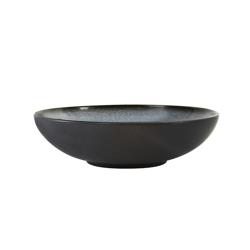
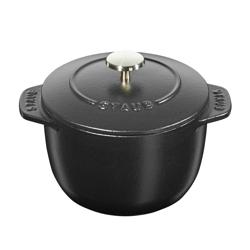
Bowls that work for both preparation and presentation make sense in kitchens where counter space, cabinet space or cleanup time is limited. A simple serving bowl can hold fruit on the counter, carry a tossed salad to dinner or keep a generous portion of mashed potatoes ready to pass around the table. Shape influences the experience as much as appearance: shallow bowls show off colorful ingredients and allow easy access with serving utensils, while deeper bowls contain saucy dishes and leave more room for tossing. For meals served family-style, consider the footprint alongside dinner plates, glasses and other serving dishes. A wide bowl may be comfortable for sharing but take up more table space than a deeper one with a similar capacity. Neutral finishes mix easily with existing dinnerware, and
versatile black serving bowls provide contrast for leafy salads, golden roasted vegetables and bright citrus. When a bowl will also hold leftovers, a well-fitting lid can reduce the need to transfer food to another container. A lid does not necessarily make a bowl leakproof, however, so secure transport requires a design intended for that use. Refrigerator fit matters, too: tall sides and broad rims can occupy more shelf space than expected, especially once a lid is attached. Bowls with comfortable grips or nonslip bases may be helpful for frequent whisking, though these features can affect nesting and appliance compatibility. For a first apartment, a shared household or a wedding gift, a selection of useful sizes supports everything from a single serving of oatmeal to a batch of dough for friends. Experienced cooks may appreciate a bowl that fills a particular gap, such as extra room for folding delicate batter or a lighter vessel for tossing vegetables. Whether the daily routine involves packing lunches, baking from scratch or setting out a relaxed dinner, versatile bowls earn their place by feeling right in the hand, fitting the space and handling the foods prepared most often.