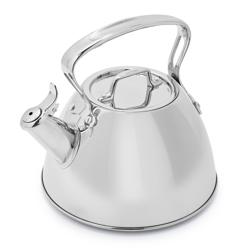
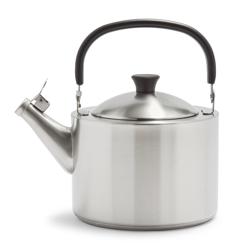
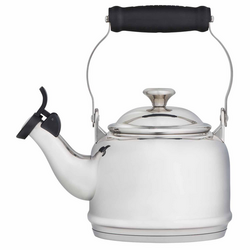
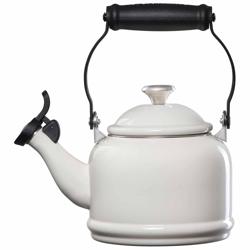
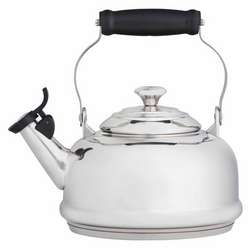
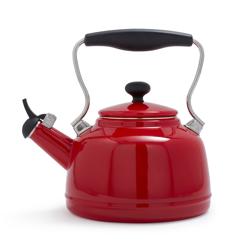
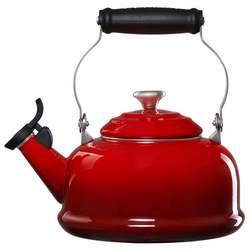
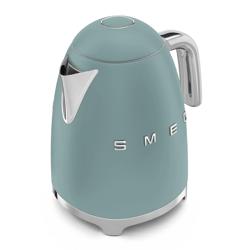
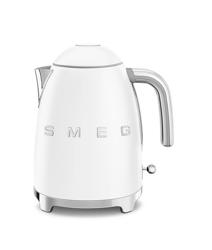
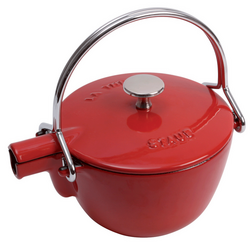
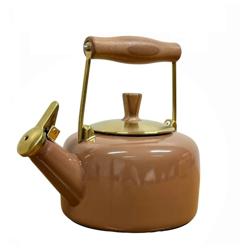
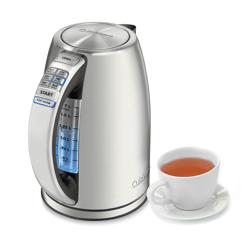
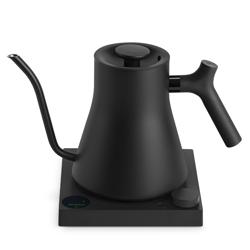
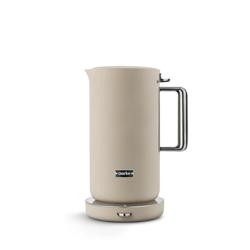
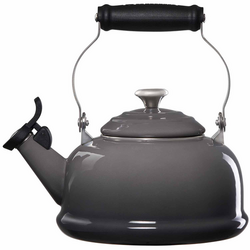
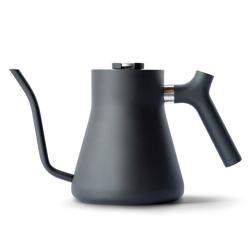
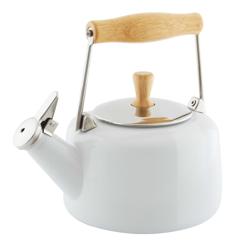
Vintage style kettles bring familiar shapes and thoughtful details to one of the simplest kitchen routines: heating water for a cup of something comforting. Rounded bodies, arched handles, gently curved spouts and softly colored finishes recall kitchens where the kettle had a permanent place on the stove. That character feels just as welcome beside a well-used wooden cutting board as it does against a clean tile backsplash. The appeal is not limited to a traditional kitchen, either. A cream-colored kettle can soften a room with dark cabinets, while a polished metal finish can connect older furniture with modern appliances. Vintage style describes the look rather than the age, so a newly made kettle can offer that nostalgic presence without the uncertain condition or care requirements of an antique. Both stovetop and electric designs can carry these visual details, allowing the look to fit different ways of making tea, preparing pour-over coffee or getting hot water ready for oatmeal. A stovetop kettle suits someone who enjoys the familiar whistle and the pause before pouring; an electric kettle may better suit a busy breakfast counter or a workspace with an appropriate outlet. During the cooler months, either can become part of an afternoon break with loose-leaf tea, a favorite mug and a slice of toast. For a piece that often stays in view between uses, color and silhouette deserve consideration alongside function. A broad, rounded kettle has a different presence than a taller, narrower design, and the handle can affect how much space it needs beneath a shelf or inside a cabinet. Those drawn especially to the traditional stove-to-table look can also explore
Stylish Stovetop Kettles for designs that make an everyday tool feel at home in the kitchen. The most satisfying choice is one that looks right in the room and feels natural to use, whether the daily routine means a single morning cup or a full pot of tea shared after dinner.
Materials and construction help determine how a vintage-inspired kettle performs beyond its appearance. Stainless steel is a practical choice for regular use because it resists corrosion and offers a durable surface, though polished finishes can show fingerprints and dried water spots. Enamel-coated metal brings color and a smooth finish that works particularly well with nostalgic shapes. It benefits from careful handling, since knocks against a faucet or sink can chip the coating. Some designs feature copper or copper-colored details; the distinction matters because genuine copper and a decorative finish can have different cleaning needs. The interior material also deserves attention, particularly when a kettle combines several metals or coatings. For stovetop use, compatibility comes before looks. An induction cooktop requires a compatible magnetic base, and a kettle intended for gas should sit securely over an appropriately sized burner, with flames kept beneath the base rather than licking up the sides. A flat, stable bottom matters on a smooth electric surface as well. Capacity is another everyday consideration: a smaller kettle may be enough for one or two mugs, while serving several tea drinkers calls for more water and a heavier lift. The marked maximum fill line, rather than the space beneath the lid, determines how much water can safely be heated. Consider the weight of the kettle when filled, not just when empty, especially if lifting or wrist movement is uncomfortable. A handle with adequate clearance, a secure lid and a spout that pours steadily can make more difference than an elaborate decorative detail. Some handles require a potholder, and steam can escape near a whistle or spout cover, so the opening mechanism is worth considering. For electric versions, the position of the base, cord length and clearance beneath upper cabinets help determine a sensible home on the counter. Automatic shutoff, boil-dry protection or adjustable temperature settings may be useful features when specified, but a retro appearance alone does not indicate which functions a kettle includes.
A kettle is made to heat water, while a teapot is generally meant for steeping and serving tea; that distinction keeps both preparation and cleanup straightforward. Unless the manufacturer says otherwise, milk, tea leaves, cocoa and other ingredients belong in a separate cup or brewing vessel rather than inside the kettle. For someone who drinks delicate green tea as well as hearty black tea, an electric design with suitable temperature settings may be helpful, while a straightforward stovetop model can work well for a household that mainly needs boiling water. Coffee drinkers may care more about a controlled pour, although a decorative curved spout does not necessarily provide the precision of a dedicated gooseneck kettle. These small differences make intended use a better starting point than appearance alone. With regular care, the finish can remain an appealing part of the kitchen rather than becoming another surface to fuss over. Let the kettle cool before cleaning, follow its care instructions and use a soft cloth with a suitable mild cleaner instead of abrasive pads. Empty leftover water after use and allow the interior to dry as directed. Mineral deposits can build up inside any frequently used kettle, especially in areas with hard water; periodic descaling with a manufacturer-approved method helps address that buildup. Electric kettles and their bases should not be submerged, and decorative finishes may need different treatment from bare stainless steel. Avoid heating a stovetop kettle empty, and store it where the spout and coating are protected from bumps. These habits are simple enough to fit into a daily routine and help preserve the parts that matter: a sound interior, a dependable lid and a clean pouring edge. Vintage style kettles also make thoughtful housewarming or wedding gifts, particularly for someone who enjoys useful pieces with a little personality. Matching the recipient’s cooktop, household size and preferred colors makes the gesture more personal. Whether chosen for a first apartment, a familiar family kitchen or a quiet tea corner, a well-suited kettle earns its place through repeated use, bringing a touch of older kitchen character to the way people cook and gather today.