-
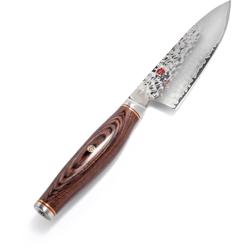
A versatile utility knife with a hammered finish blade and a comfortable walnut pakkawood handle.
-
(493)
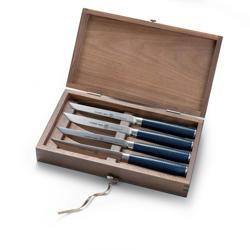
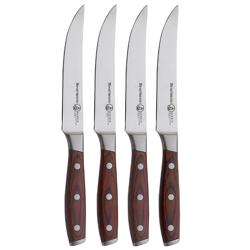
A set of four steak knives with fine-edge stainless steel blades and triple-riveted brown Pakkawood handles.
-
(46)
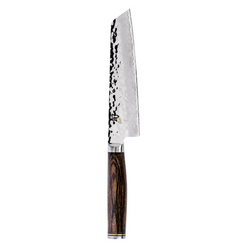
A versatile santoku knife featuring a hammered stainless steel blade and dark walnut pakkawood handle for precise prep.
-
(3)
A versatile utility knife featuring Japanese stainless steel, a hammered finish, and a dark walnut pakkawood handle.
-
(1)
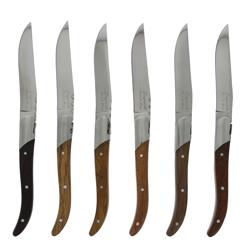
A set of 6 steak knives with unique wood handles and traditional Laguiole design.
-
(8)
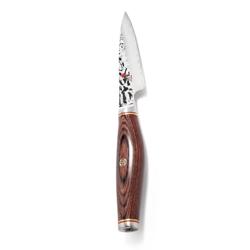
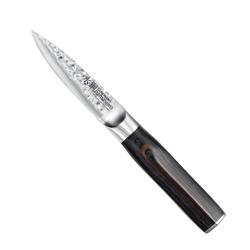
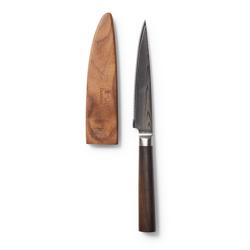
A precision paring knife featuring a Damascus-inspired stainless steel blade and dark walnut pakkawood handle.
-
(17)
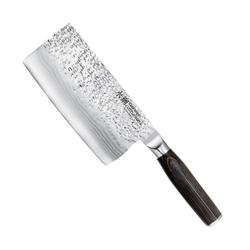
A stainless steel cleaver with a hammered finish and dark walnut pakkawood handle for strength and control.
-
(19)
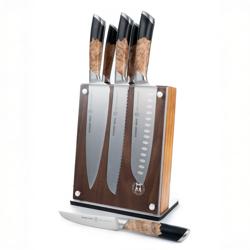
A stylish set of stainless steel knives with burled wood and black resin handles in a walnut block.
-
(4)
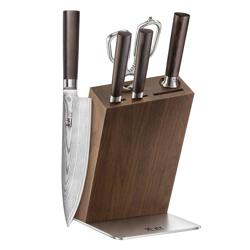
A 6-piece block set with hand-sharpened, stain-resistant Japanese steel blades and African Blackwood handles.
-
(3)
A serrated utility knife with a durable Japanese steel blade and African Blackwood handle.
-
(7)
A perforated blade butter knife with a walnut wood handle for easy spreading and precision.
-
(71)
A multifunctional chef's knife with a sharp, handcrafted Damascus blade and African Blackwood handle.
-
(5)
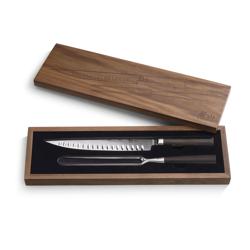
A versatile carving set with exceptionally sharp, handcrafted blades and comfortable African Blackwood handles.
-
(9)
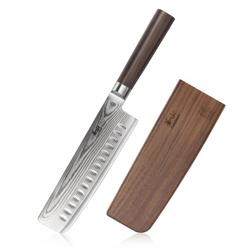
A precision-forged Nakiri knife with a Damascus steel blade and African Blackwood handle for expert vegetable prep.
-
(5)
A handcrafted paring knife with a durable Japanese steel blade and African Blackwood handle.
-
(1)
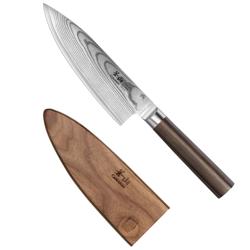
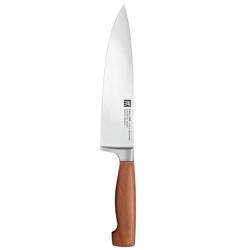
A precision chef knife featuring a brown FSC-certified hardwood handle and durable stainless steel blade.
Walnut Handle Knives
Crafted with elegance and functionality in mind, our walnut handle knives are the perfect addition to any kitchen. The rich tones of the walnut handles bring a touch of warmth and sophistication to your culinary arsenal, while the sharp blades ensure precise and effortless cutting every time. Whether you're a seasoned chef or a home cook looking to elevate your kitchen tools, these knives are designed to meet your cooking needs with style and precision. Discover the timeless beauty and exceptional performance of our walnut handle knives today.




Walnut Handle Knives
-
"This is the best knife I?ve ever used. Handle has a great grip to it. Extremely sharp. Couldn"
-
"Great kitchen tools that we will enjoy. Really hold an edge and feel good in the hand"
-
"The knife is really nice, love the smooth olive handle"
-
"i love the design of these knife set , they r sharp and easy to use , just be careful while using them"
-
"Great balance and very sharp! Love it! Works great for fruits and veggies with great precision"