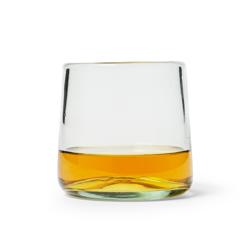
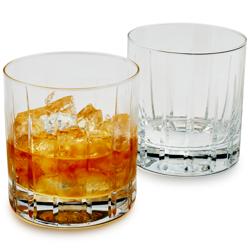
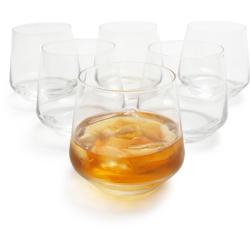
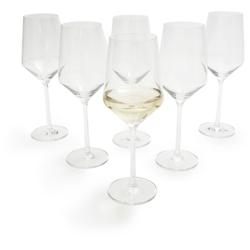
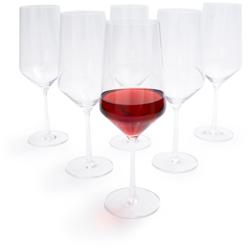
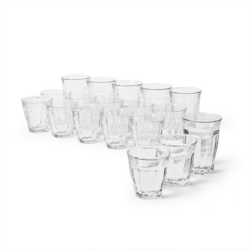
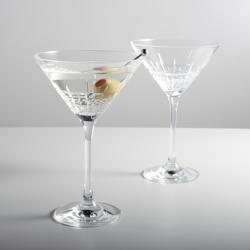
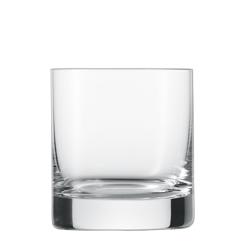
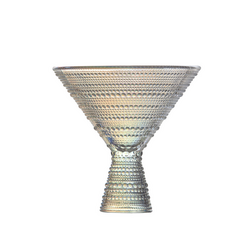
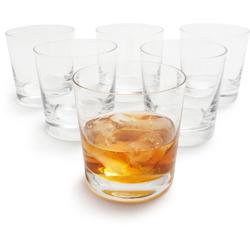
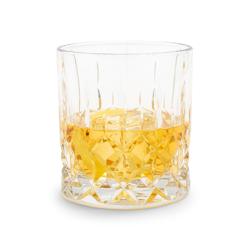
The best whisky glassware depends on how you like to drink: a tulip-shaped glass suits neat pours and tasting, a rocks glass accommodates ice and spirit-forward cocktails, and a highball glass leaves room for mixers and plenty of ice. Each shape serves a different purpose, so choosing whisky glasses starts with the drinks you enjoy rather than a rule about what belongs in a home bar. For whisky served neat, a rounded bowl with a narrower opening helps gather aromas near the rim, making it easier to notice notes of vanilla, fruit, smoke or spice before taking a sip. A modest pour leaves room above the liquid to explore those aromas; filling a tasting glass close to the top works against its shape. A stem or an easy-to-grip base also gives you somewhere to hold the glass without cupping the bowl and gradually warming the whisky. If you prefer a large cube or a splash of water, the open shape of a rocks glass offers more room and a comfortable, familiar feel. Its broad opening is less focused on concentrating aromas, but it makes adding ice and sipping a chilled drink straightforward. For whisky with soda or ginger ale, a tall highball glass provides space for the spirit, mixer and ice without crowding the rim. These distinctions apply whether your usual pour is scotch, bourbon, rye or another style of whisky. You may also see the spelling “whiskey,” but the spelling on the bottle does not determine the glass you need. There is no requirement to reserve one shape for one spirit, either. Someone who enjoys bourbon neat may appreciate a tasting glass, while a scotch drinker who prefers ice may reach for a tumbler. The useful distinction is how the glass supports your serving style, from a small pour after dinner to a long, refreshing drink shared over appetizers.
When shopping for whisky glassware, look beyond capacity to the dimensions and proportions of the glass. Two glasses that hold the same amount can feel quite different: one may be low and broad, while another is narrower with a taller bowl. If you regularly use oversized ice cubes or spheres, check both the opening and the interior width, particularly if the sides taper toward the base. The ice needs to fit comfortably, with enough space around it for the drink. Capacity matters most when considered alongside your usual pour and the space needed for ice, mixers or a garnish. A generously sized tumbler is not an invitation to pour more whisky; it may simply be a better fit for the way you serve it. The rim deserves attention, too. A fine rim can feel unobtrusive when sipping, while a thicker rim may suit someone who prefers a more substantial glass. Neither preference is wrong. Consider the weight in your hand, the ease of gripping the sides and the stability of the base on a table. A heavy bottom offers a satisfying sense of heft, but it does not automatically make the whole glass more durable. Clear, undecorated glass makes it easy to see the whisky’s color, while cut or patterned surfaces catch lamplight and add texture to a place setting. Crystal may appeal for its clarity and the way it reflects light, though the material alone does not tell you how delicate a glass will be or how it should be cleaned. Check each product’s care instructions rather than assuming all whisky glasses are dishwasher safe. If easy cleanup is important, make that part of your selection from the start. Storage is another practical consideration: allow room for wider bowls and taller glasses, and avoid assuming tumblers can be stacked unless they are designed for it. The best everyday glass is one you enjoy using and can comfortably care for.
Building a collection of whisky glasses does not mean filling a cabinet with every possible shape. Start with the way you serve drinks most often, then add other styles if they have a place in your routine. A few matching tumblers can cover relaxed evenings and small gatherings, while dedicated tasting glasses make sense for someone who enjoys comparing the aromas of different whiskies. If mixed drinks are a regular part of entertaining, highball glasses bring useful versatility beyond whisky alone. Think about the number of people you usually host, too. A coordinated set keeps serving simple, while a mix of complementary shapes can feel equally at home on a drinks tray. During the cooler months, glassware often becomes part of the table long after dinner is finished: a patterned tumbler beside a bowl of toasted nuts, a small neat pour served with dark chocolate or a tall whisky soda alongside savory snacks. Those familiar moments are a helpful reference when choosing a look. Clean lines blend easily with casual dinnerware, while decorative glass can echo the warmth of well-used silverware or a favorite serving dish. For a more nostalgic feel,
Vintage Whisky Glasses offer a direction worth exploring, especially if you appreciate traditional silhouettes and textured details. Whisky glassware also makes a thoughtful gift when it reflects the recipient’s habits rather than an imagined version of their home bar. A curious taster may value a shape that helps them explore a neat pour; a frequent host may get more use from a coordinated set with room for ice. For a housewarming, wedding or thank-you gift, consider storage space, care preferences and the glassware they already enjoy. Someone who loves a substantial tumbler may not want the lightest, most delicate glass, however attractive it looks. That small observation makes a gift feel personal. Whether you are choosing for yourself or someone else, focus on a comfortable shape, a suitable size and a style that feels welcome at the table. Good whisky glassware earns its place through use, not just display.