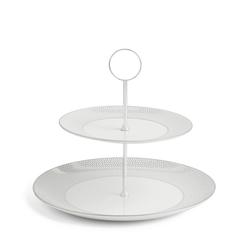
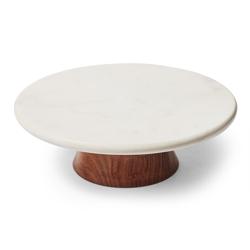
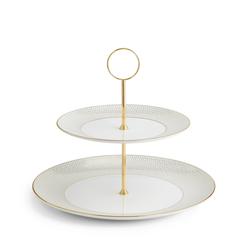
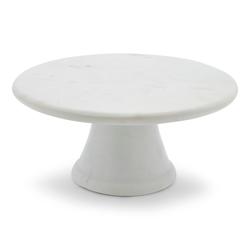
White cake stands give a dessert a clear place at the table, whether the centerpiece is a tall layer cake, a simple loaf dusted with powdered sugar or a ring of cupcakes ready for a birthday celebration. The pale surface lets the details stand out: dark chocolate ganache, fresh raspberries, piped buttercream or the golden edges of a homemade tart. A raised base also brings height to a spread of plates and platters, helping a dessert feel thoughtfully presented without requiring elaborate decoration. White is especially easy to work into an existing collection of dinnerware because it sits comfortably beside colorful stoneware, clear glass and patterned linens. The finish still makes a difference. A glossy surface catches the light and can feel crisp and polished, while a matte finish creates a softer backdrop. Smooth edges keep attention on the baking; scalloped rims, subtle texture and decorative bases add interest even when the dessert itself is simple. Shades of white can range from bright and clean to warm ivory, so the relationship to nearby serving pieces matters more than an exact color match. Materials contribute just as much to the overall feel. Glazed porcelain and stoneware offer familiar ceramic surfaces with different weights and profiles, depending on their construction. Marble brings natural veining and substantial weight, making each piece visually distinctive, though it needs protection from acidic foods and staining. Metal stands with a white finish can offer another balance of weight and durability, with care requirements that depend on the coating. No material is automatically the best choice for every table. A stand used for frequent family gatherings may need to be easy to lift and clean, while one intended for a formal dessert table might be chosen primarily for its proportions and decorative detail. For other colors or silhouettes to pair with white, explore the broader
Cake Stands collection.
The most useful white cake stand is one that fits both the dessert and the way it will be served. A cake needs enough support beneath its full footprint, including any cake board, with room to cut and lift slices without crowding a raised rim. A 9-inch cake, for example, generally benefits from a serving surface wider than 9 inches, particularly when frosting, piped borders or decorations extend beyond the layers. Overall diameter does not always equal usable space; a sloped edge or decorative border can reduce the flat area. Height matters, too. A low pedestal keeps dessert within easy reach on a dining table, while a taller base can make a cake more visible on a buffet. Stability deserves particular attention with heavy cakes, tall layers or a busy serving area. A broad, balanced base and a level tabletop help keep the presentation steady, but a stand should not be treated as a carrying tray unless it is designed for that purpose. Moving the cake and stand separately, then assembling the display where it will stay, makes setup more manageable. If a cover is part of the plan, its inside width and height need to accommodate the finished dessert, not just the bare cake layers. Tall swirls of frosting and upright decorations can require more clearance than expected. Refrigerator space may also influence the choice, especially for desserts that need chilled storage before serving. Beyond cakes, a white stand can hold brownies cut into neat squares, small pastries or a grouping of cookies, provided the surface is suitable for direct food contact. Lower arrangements are often easier for guests to reach across, and enough space between individual treats helps fingers or serving utensils lift them cleanly. For home bakers who decorate regularly, a presentation pedestal serves a different purpose from a rotating decorating stand: it is primarily for displaying and serving the finished cake rather than turning it while applying frosting.
Care and storage help preserve the clean appearance that makes white cake stands so appealing. A white surface can make crumbs, chocolate smudges and berry juice easy to spot, so prompt cleaning is useful, especially around textured rims or decorative details. Dishwasher suitability varies by material, finish and construction; the care instructions are more reliable than assumptions based on appearance. When hand-washing is recommended, mild dish soap, a soft sponge and thorough drying are sensible starting points. Abrasive pads can scratch finishes, and soaking may be unsuitable for stands with joined components or materials that absorb moisture. Natural stone requires particular attention to recommended cleaners and food contact guidance, while coated metal benefits from gentle handling that protects the finish. Ceramic stands can provide years of use with appropriate care, but edges and pedestal joints still deserve protection from knocks. A stand is not bakeware simply because it is ceramic, and oven, microwave or freezer use should only follow the manufacturer’s stated guidance. For storage, enough shelf clearance to lift the stand without tilting it awkwardly is helpful, as is avoiding heavy objects stacked on top. A soft protective layer can reduce rubbing when pieces must sit close together. These practical details also make white cake stands thoughtful gifts for people who enjoy baking, hosting brunch or bringing family together around dessert. For a wedding or housewarming gift, a versatile shape can be easier to incorporate than a highly decorative style, particularly when the recipient’s tableware is unfamiliar. For an enthusiastic baker, usable diameter and room for layered cakes may matter more than ornament. Someone who hosts smaller gatherings may get more use from a compact stand that suits a modest cake or a few pastries without taking over the table. The lasting appeal is in that balance of usefulness and presentation: a serving piece that gives a carefully frosted celebration cake its moment, then feels just as appropriate holding muffins for an unhurried breakfast.