-
(347)
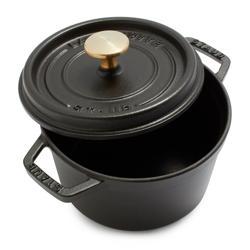
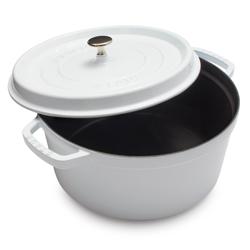
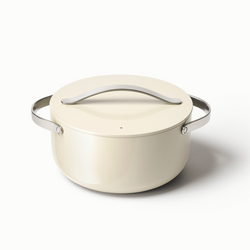
A 7 qt. white round Dutch oven made of enameled cast iron for even heat distribution and moisture retention.
Pros: versatility, size, oven safe
-
(188)
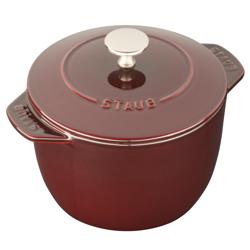
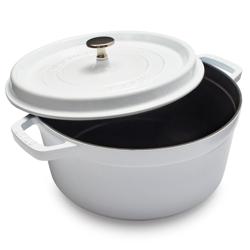
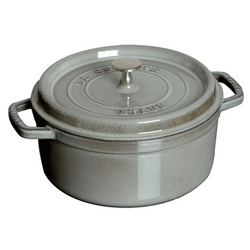
A traditional French cooking vessel made of durable cast iron, perfect for stews, soups, and roasts.
Pros: versatility, color, durable
-
(177)
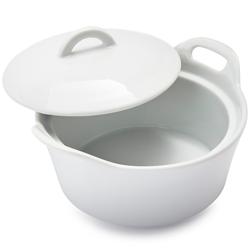
A white 8 oz. petite cocotte made of stoneware, perfect for individual portions of various dishes.
Pros: versatility, perfect size, adorable
-
(102)
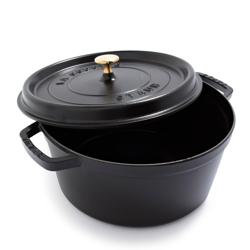
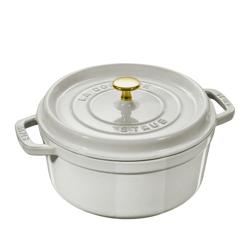
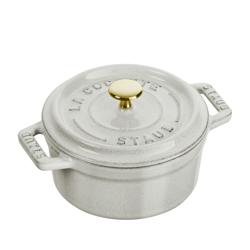
A white truffle-colored, 2.75 qt. round Dutch oven made of enameled cast iron for even heat distribution.
Pros: versatility, compatible with all stovetops, oven safe
-
(86)
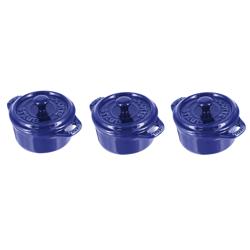
A miniature-sized, white truffle-colored Dutch oven made of durable cast iron for individual servings of delicious dishes.
Pros: versatility, perfect size, keeps food warm
-
(13)
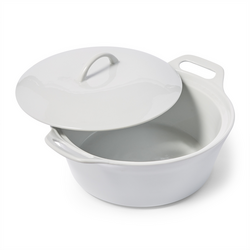
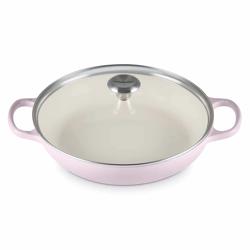
A white porcelain cocotte with a 2.75 qt. capacity, perfect for casseroles, slow-roasted meats, and stews.
Pros: perfect size, versatile, meets expectations
-
(501)
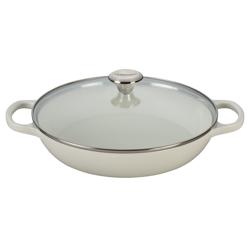
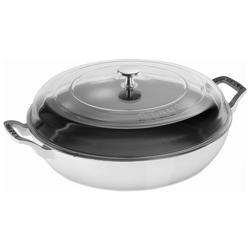
A 3.5 qt. white cast iron casserole with glass lid for versatile cooking and superior heat retention.
Pros: versatility, durable, perfect size
-
(17)
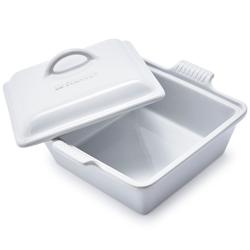
A white 9" stoneware baker with a durable enamel interior for superior cooking results.
Pros: color, even cooking, functional
White Cocotte
A white cocotte is a French cooking vessel that is used to prepare a variety of dishes. These dishes can range from soups and stews to vegetables, making the cocotte a versatile and essential kitchen tool. They are usually made from stoneware, cast iron, or enameled cast iron and come in a variety of colors. Here are some great options.

White Cocotte
FAQ List
A cocotte is a type of cooking pot that is typically used for slow-cooking stews, soups, and casseroles. They are often made from cast iron or ceramic and are designed to be durable and long-lasting.
The color of a cocotte does not affect its performance, but it can affect its appearance. White cocottes are often chosen for their classic and elegant look, but other colors can also be stylish and eye-catching.
Yes, most white cocottes are designed to be used on the stovetop as well as in the oven. However, it's important to check the manufacturer's instructions to ensure that the cocotte is suitable for stovetop use.
White cocottes should be cleaned by hand using warm water and mild soap. Avoid using abrasive cleaners or steel wool, as they can damage the surface of the cocotte.
White cocottes are versatile and can be used for a wide variety of dishes, including stews, soups, casseroles, baked goods, and more. Some popular dishes include beef bourguignon, coq au vin, and chicken pot pie.
-
"Get the same great features of the Staub pots in a smaller version"
-
"Love all my Staub pots. I did ?season? it like you would raw cast iron & now it"
-
"I love every single thing about this beautiful cocette"
-
"I love the sturdiness and the great quality of this product"
-
"I love the fact that they are covered and the white contemporary style goes with casual and formal settings"