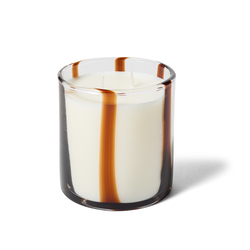
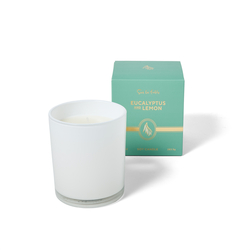
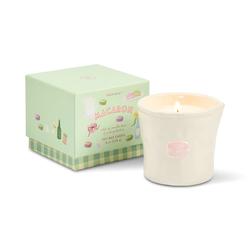
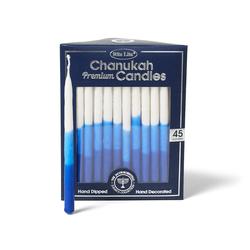
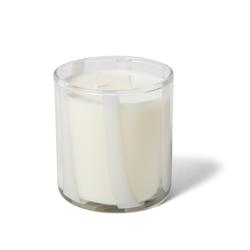
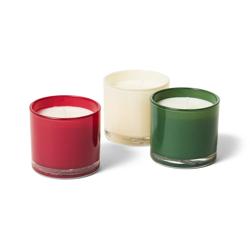
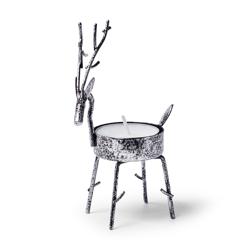
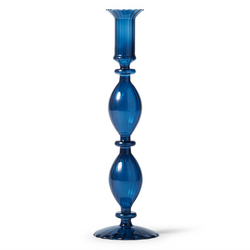
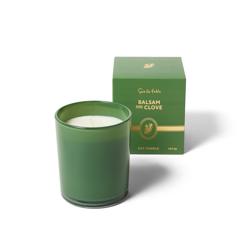
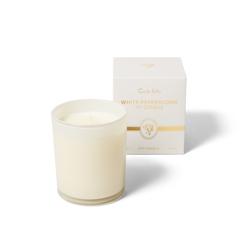
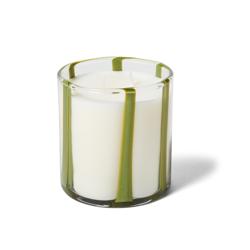
White decorative candles bring a clean, versatile accent to a room, combining sculptural shapes with the soft light of a candle flame. Common styles include slender tapers, substantial pillars and small votives, each offering a different balance of height, presence and glow. White works with a wide range of table settings because it adds definition without competing with patterned dinnerware, colorful linens or a favorite serving piece. Against dark wood, a white candle creates a crisp contrast; beside clear glass and pale ceramics, it contributes to a quieter, more tonal arrangement. The shape makes a difference, too. Smooth cylinders have an understated look, while twisted, ribbed or sculpted forms add texture even before they are lit. A pair of tapers can frame a dining table centerpiece, while a single pillar on an appropriately sized candle plate gives a sideboard a simple focal point. Small votives offer points of light that can be repeated along a table without creating a visually heavy arrangement. For a dinner with shared platters, a compact candle display leaves more useful space than a broad centerpiece. Taller tapers can work well when their holders and placement keep flames safely clear of guests and anything being passed across the table. In a living room, the same white tones can connect otherwise different materials, such as a stone tray, a glass vase and a ceramic bowl. The distinction between bright white and a warmer ivory is worth considering alongside existing décor: bright white looks crisp beside cool-toned dishes, while softer whites can sit comfortably with cream linens and natural wood. Neither needs an exact match to feel intentional. Repeating the color in a few places often creates enough connection, leaving the candle’s silhouette and the surrounding pieces room to stand out. That flexibility makes decorative white candles useful for everyday tables, intimate celebrations and spaces where a small finishing touch feels more appropriate than a large display.
Materials and construction help determine how a decorative candle looks, feels and performs. Candles may be made from paraffin, soy wax, beeswax or blends, and the finished formula matters more than a single ingredient name. Wax, wick size, candle diameter and the surrounding conditions all affect how the candle burns. A white appearance may come from the wax itself, added coloring or an outer finish, so color alone does not identify the material. For shoppers drawn to sculpted shapes, the quality of the surface and definition of the details can be as important as the appearance of the flame. A ribbed pillar brings a different texture to a smooth ceramic holder than a polished cylinder does, while a twisted taper adds movement to a simple setting without requiring additional decoration. Fit deserves equal attention. Tapers need holders suited to their base diameter so they stand securely upright, and pillars need heat-resistant supports wide enough to contain wax that may escape as they burn. Votives generally need a properly sized votive holder to contain melting wax; they should not be treated as miniature freestanding pillars. Height and width also influence the proportions of a display. A broad candle can look balanced on a substantial dining table but crowded on a narrow ledge, while a slender taper may suit a smaller surface if there is adequate clearance around the flame. Scent is another practical distinction. Unscented white decorative candles are a natural choice near food, where the aromas of dinner should remain the focus. For a room where fragrance is welcome, explore
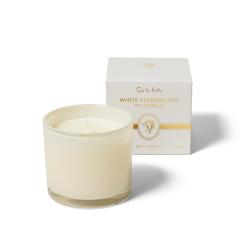
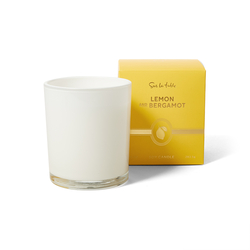
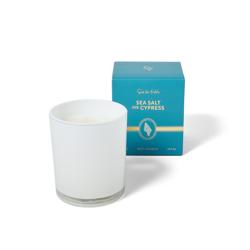
White Scented Candles with the recipient’s preferences and the size of the space in mind. Fragrance strength varies, and a scent that feels pleasant in an open living area may feel more noticeable in a small room. Burn-time information can help with planning, but it is best understood alongside the maker’s directions rather than as a promise that every candle will perform identically.
White decorative candles can serve as both tabletop accents and thoughtful gifts, especially when their shape and intended use suit the person receiving them. Someone who enjoys setting a dinner table may appreciate classic tapers paired with compatible holders, while a sculptural candle can appeal to a host who favors simple arrangements on a console or coffee table. For a housewarming or wedding gift, neutral white offers flexibility without requiring a close match to every detail of the recipient’s home. An unscented option also avoids making fragrance preferences part of the decision. Whether chosen for gifting or everyday use, a candle’s lasting appearance depends on how it is stored and handled. Wax can soften or distort near heat, and prolonged direct sunlight may affect its color or finish. A cool, dry storage spot away from sunlight helps preserve the shape, with enough separation to keep decorative surfaces from rubbing against one another. Dust can often be lifted gently with a soft, dry cloth, though delicate finishes should be handled according to the maker’s care instructions. Before lighting, remove packaging and decorative tags, check that the candle is secure and follow the recommended wick-trimming and burning directions. A stable, heat-resistant surface is essential, with generous clearance from linens, curtains, flowers and other combustible materials. Candles should stay away from drafts, children and pets, and a burning candle should never be left unattended. Allow wax and holders to cool before moving them, and stop use at the point specified by the manufacturer rather than trying to burn every last bit of wax. These practical details support the relaxed atmosphere candles are meant to create. A well-proportioned white candle, a suitable holder and a little open space can be enough to finish a table beautifully, whether it is set for a birthday dinner, an anniversary meal or an ordinary evening worth sitting down to enjoy.