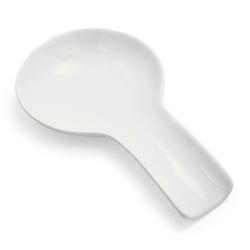
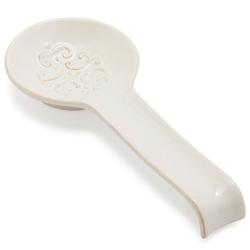
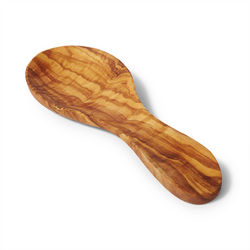
A white spoon rest gives cooking utensils a designated place to land, helping keep sauce, oil and other drips off countertops between stirs. Common materials include glazed stoneware, porcelain, marble and silicone, with different benefits for everyday use and care. Beside a pot of tomato sauce, it catches the streak left on a wooden spoon; near a mixing bowl, it holds a spatula coated with batter. That small landing spot can make a busy cooking area feel more orderly without taking up the space of a dinner plate. White also works easily with the surfaces and tools already in a kitchen, from stainless steel appliances and dark countertops to butcher block and colorful cookware. The shape matters just as much as the color. A broad bowl gives a rounded cooking spoon room to rest, while an elongated design can support more of the utensil and contain drips along its length. A shallow notch helps position a handle, though the head of the utensil still needs enough space to sit securely inside the dish. For someone who reaches for a wide silicone spatula as often as a narrow wooden spoon, a generous resting area can be more useful than a compact shape. Raised edges help contain sauce or melted butter, while a low profile makes it easy to set a utensil down without interrupting the task at hand. In a smaller kitchen, the right footprint leaves room for a cutting board and ingredients rather than crowding the work surface. A white finish keeps this practical accessory visually simple, whether the surrounding space is crisp and modern or filled with well-used wood and textured pottery. Glossy surfaces reflect light, while matte finishes and subtle relief patterns give the same neutral color a different character. An exact match to dinnerware is not necessary; a slight variation in tone can still feel comfortably coordinated.
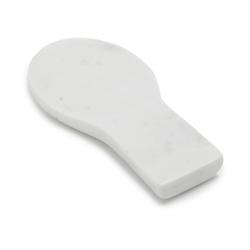
Material influences the weight, feel and maintenance of a white spoon rest, so appearance is only part of its everyday appeal. Glazed stoneware often has a substantial feel that suits a permanent spot near the cooking area. Porcelain can offer a smooth surface and a refined appearance, although thickness and weight vary by design. Both are types of ceramic, and an intact glaze provides a surface that is generally easy to wipe clean after cooking. Neither is immune to chips or cracks, especially if knocked against a sink or dropped onto a hard floor. A little space between the rest and other countertop tools can help prevent those everyday collisions. Many glazed ceramic spoon rests are dishwasher safe, but the care instructions for the individual piece determine whether machine washing is appropriate. Hand-washing with mild dish soap and a soft sponge is a practical option for delicate finishes or decorative details. Prompt cleaning also helps prevent food residue from drying into textured areas, where a quick wipe may not reach. Marble brings natural variation and reassuring weight, with veining that makes white feel less uniform. It needs different care from glazed ceramic: acidic ingredients such as lemon juice, vinegar and tomato sauce can etch the surface, and oils may leave marks. Gentle hand-washing and prompt drying are generally better suited to natural stone than a dishwasher cycle. Silicone offers flexibility and can provide a quieter landing for metal utensils, though grip, stain resistance and heat tolerance depend on the particular construction. White makes food residue easy to see, which is useful during cleanup, but the color alone does not indicate that a material is stainproof. Whatever the material, a spoon rest belongs on a stable surface beside the cooking area, not on an active burner or against an open flame. Warm utensils should be placed on it only as permitted by its heat rating, and ceramic pieces should be protected from sudden temperature changes. Matching care requirements to daily habits helps keep the piece useful and looking its best.
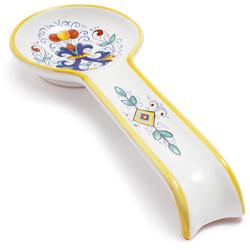
The best fit also depends on how a kitchen is used. Someone cooking a single skillet meal may need space for just one turner, while a cook juggling pasta sauce and sautéed vegetables may prefer a broader resting surface or separate places for each utensil. Keeping tools used with raw ingredients separate from those used for cooked food remains important; a spoon rest does not replace washing utensils between tasks. For a deep ladle, the bowl needs enough room to settle without tipping, and a long handle should not extend into a busy walkway or over the edge of a counter. A flat, steady base is particularly helpful when a heavier utensil is placed slightly off-center. These small details make the accessory easier to use when attention is on the food rather than on balancing a spoon. Its usefulness can extend beyond the stove, too. A serving spoon beside a casserole, a honey dipper at the breakfast table or a teaspoon at a coffee station can all benefit from a washable landing spot, provided the rest is sized for the task. White blends naturally into these settings without competing with patterned dishes, serving linens or the food itself. For a more decorative direction, explore
Unique Spoon Rests for shapes and details that bring a different look to the counter. A white spoon rest also makes a thoughtful housewarming gift or a useful addition to a gift for someone setting up a first kitchen. Paired with a wooden spoon and a favorite recipe, it feels personal without requiring much knowledge of the recipient’s decorating style. For an experienced home cook, its appeal is equally straightforward: a dependable place to set a working utensil, an easy surface to clean and one less patch of sauce left on the counter after dinner.