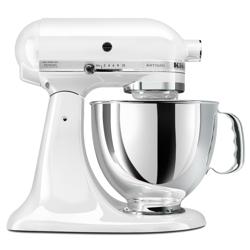
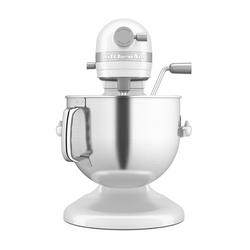
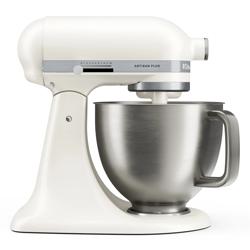
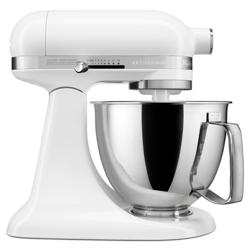
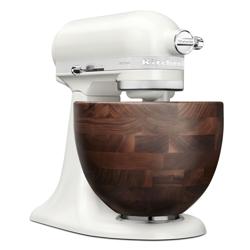
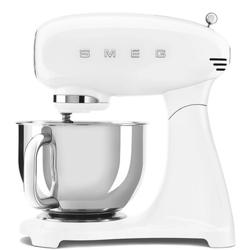
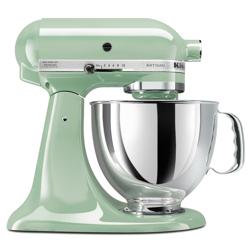
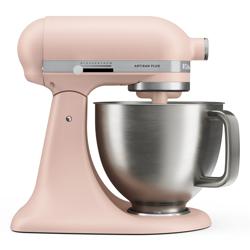
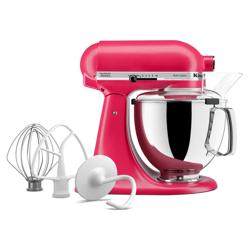
White stand mixers for baking combine hands-free mixing with a neutral finish that fits comfortably into many kitchen styles. They can cream butter and sugar for cookies, mix cake batter, whip cream and knead bread dough, depending on the model and its attachments. The best fit for your kitchen depends on what you bake, how much you make at once and where the mixer will sit. For someone who regularly makes birthday cakes, a mixer that handles buttercream and batter well may be more useful than one sized for several loaves of bread. For a frequent bread baker, dough capacity and the manufacturer’s kneading recommendations deserve closer attention. A white finish brings a clean, understated look to either setup, pairing easily with wood countertops, stainless steel appliances and colorful mixing bowls. Glossy surfaces reflect light, while matte finishes offer a softer appearance; the exact shade of white can also look different alongside cream cabinetry or bright white tile. Beyond appearance, a stand mixer gives you room to take care of another step while ingredients mix, such as preparing a cake pan or measuring the next addition, while staying nearby to monitor progress. That steady assistance is useful for newer bakers learning the look of properly creamed butter and experienced bakers repeating a favorite recipe. It also makes a white stand mixer a thoughtful wedding, housewarming or milestone gift for someone who genuinely enjoys baking. Matching the mixer to the recipient’s space and habits matters more than choosing the largest bowl. A compact kitchen with a dedicated baking corner may suit a manageable everyday mixer, while a household that regularly makes batches of cookies to share may benefit from more capacity. The appeal is practical as much as decorative: an appliance that looks at home on the counter is easier to keep within reach for a simple loaf cake or a batch of chocolate chip cookies.
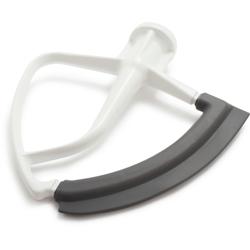
Bowl capacity, mixer design and attachment performance determine how well a white stand mixer fits your baking routine. Bowls around 4.5 to 5 quarts are a common size for everyday home baking, while larger bowls can provide room for bigger batches when the mixer is rated to handle them. Bowl volume alone does not establish how much bread dough or cookie dough a machine can mix. Dense dough places different demands on a mixer than whipped cream, so the manufacturer’s flour limits, dough capacities and recommended mixing times are more useful than capacity alone. A larger bowl is not always better for small tasks, either: a single egg white or a small amount of cream may sit below the whisk’s effective reach. Tilt-head designs open from above to give access to the bowl and beater, making it convenient to add ingredients or remove the attachment. Bowl-lift designs raise the bowl into position and often suit larger-capacity machines, though dimensions and performance vary by model. Both deserve a careful look at counter space, including clearance beneath cabinets and room to operate the lifting mechanism. A mixer’s weight also matters if it will move between a shelf and the countertop rather than stay in one place. For everyday baking, a flat beater generally handles cookie dough, cake batter and frosting, a wire whisk incorporates air into cream and egg whites, and a dough hook works with suitable yeast doughs. Included accessories vary, and optional attachments need to match the exact mixer. Low starting speeds help keep flour and confectioners’ sugar in the bowl, while a useful range of speeds supports different textures without treating every mixture the same way. Planetary mixing, in which the attachment spins while traveling around the bowl, helps cover more of the mixing area, although occasional scraping may still be necessary. Wattage is only one specification; it does not tell the whole story about kneading ability, sustained performance or durability. Stable construction, suitable capacity and clear operating limits offer a more meaningful picture of how a mixer will handle your recipes.
Materials and care make a difference in how a white stand mixer looks and works over years of baking. Metal housings can offer a substantial feel, while lighter housings may be easier to move; neither material alone guarantees a longer service life. The quality of the mechanism, proper use and access to compatible replacement parts also matter. Stainless steel bowls are durable and generally easier to lift than similarly sized glass bowls. Glass offers a view of ingredients as they combine and may include measurement markings, but it adds weight and needs protection from impacts. A comfortable bowl handle can be especially helpful when pouring batter into a narrow loaf pan or lifting a bowl full of dough. Pouring shields may help contain splashes and guide dry ingredients into the bowl, though adding flour gradually still makes a difference. White surfaces make stray cocoa, flour and batter easy to spot, so a quick wipe after each use helps keep the finish looking clean. Unplug the mixer before cleaning or changing attachments, and wipe the housing with a soft, damp cloth rather than immersing it in water. Follow the care instructions for each bowl and accessory instead of assuming every removable part is dishwasher safe. Some coated beaters, wire whisks and metal components require hand-washing, and abrasive cleaners can damage finishes. Let washed pieces dry thoroughly before storing them, and check attachments periodically for wear. During mixing, stop the machine before scraping the bowl, and use the recommended speed for dough rather than increasing it to hurry the process. These small habits help protect the equipment and give you better control over results, from tender cake crumb to evenly mixed cookie dough. If appearance is part of your decision,
Modern Stand Mixers offer another way to explore how countertop design and everyday function come together. A well-chosen white mixer balances that visual appeal with a bowl you can comfortably handle, controls that feel straightforward and the mixing capability your favorite recipes need.