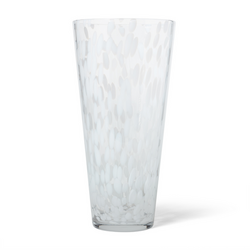
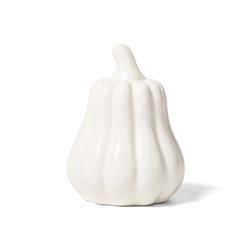
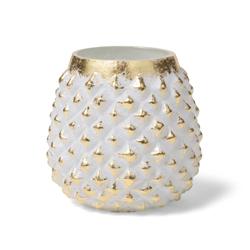
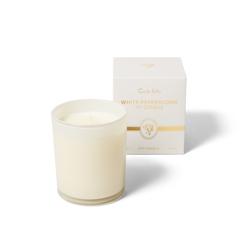
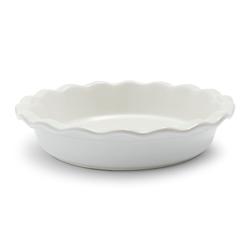
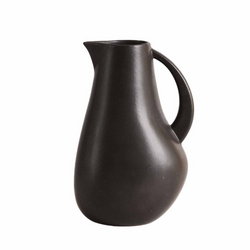
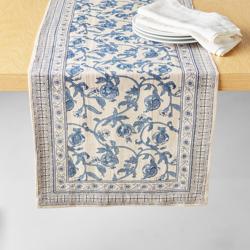
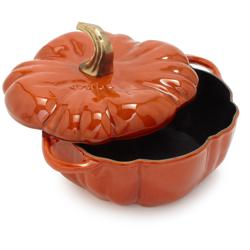
White table centerpieces bring a clean, cohesive focal point to dining tables through white floral arrangements, ceramic vessels, candleholders and decorative bowls. Their appeal is in the balance: a white centerpiece can feel relaxed enough for everyday meals while adding polish to a wedding reception, anniversary dinner or gathering with friends. The color works with a wide range of place settings, from simple white dinnerware to patterned plates and colored glassware, without competing with the food. Against a natural wood table, white creates a distinct contrast that lets the grain remain part of the setting. On a white tablecloth, the same centerpiece takes on a softer look, with shadows and surface details providing definition. Texture makes an especially noticeable difference within this palette. A smooth glazed surface reflects light differently from a matte finish, while ribbed sides, sculpted edges and loosely gathered petals add depth without introducing another color. White is not a single shade, either. Creamy ivory feels different from crisp, bright white, and placing the two together creates a layered effect rather than a perfectly matched setting. For a more uniform look, repeating a similar undertone across the centerpiece and nearby linens helps the table feel connected. Floral arrangements offer another way to work with the theme, whether white blossoms are displayed in a neutral vessel or balanced with a little greenery. Faux flowers provide a consistent appearance without the need for fresh water, while fresh stems bring natural variation in shape and openness. A centerpiece can also be entirely nonfloral: white candleholders or a sculptural bowl give the table a focal point while leaving room for serving dishes. These different forms suit different habits, from keeping a small accent on the breakfast table to setting a more deliberate scene for guests. The most comfortable arrangements look at home with the way the table is actually used, rather than requiring every meal to be arranged around them.
Size and shape have as much influence as color on how a white table centerpiece fits into a room. A low, rounded form sits naturally at the center of a round table, while a narrow arrangement follows the length of a rectangular table without occupying its entire surface. Several smaller accents can create a similar sense of continuity, with useful gaps for shared dishes and water pitchers. On a table used for conversation, the arrangement’s width and height matter together: a compact vessel with sprawling stems may block more of the view than its base suggests. Taller designs can make an impression on an entry table or buffet, where sightlines between seated guests are less important. A stable base is particularly useful wherever people reach across the surface or pass platters. Materials affect both the appearance and the practical demands of these pieces. Glazed ceramic and porcelain offer a smooth backdrop for flowers, though delicate rims and raised details need protection from knocks during handling and storage. A vessel intended for fresh flowers needs to be watertight; decorative pottery is not always suitable for holding water without a separate liner. Glass keeps an arrangement visually light and makes stems part of the display, but water marks and fingerprints may be more noticeable. White-finished metal offers a different look, with durability that depends partly on the underlying material and finish. Chips or scratches can expose the surface beneath, so gentle cleaning is preferable to abrasive scrubbing unless the care instructions say otherwise. Felt or another suitable protective layer beneath a centerpiece can help protect a tabletop from scratches, especially when the piece is moved frequently. Care requirements also extend to the arrangement itself. Fresh flowers need water changes and removal of fading stems, while artificial petals and leaves benefit from gentle dusting. Manufacturer instructions remain the best reference for washing, soaking and cleaning products, particularly for painted finishes, textured surfaces and mixed-material designs. A decorative bowl should only hold unwrapped food if it is identified as food safe.
A white centerpiece earns its place on the table when it feels easy to live with as well as attractive. In a busy household, a compact arrangement that lifts away in one piece makes room for homework, a board game or a family-style dinner without requiring a full reset. For someone who entertains often, a few coordinated elements offer flexibility: they can sit together for a larger gathering or be separated when fewer seats are needed. Candle displays bring a different quality to the setting, with white surfaces catching the light and giving simple shapes more definition. Holders should be designed for the candles they support, with a secure fit and enough space around each flame. Lit candles belong away from flowers, greenery, linens and other combustible materials, and they should never be left unattended. Flameless candles provide an alternative when an open flame is not appropriate. Fragrance deserves attention, too; unscented candles let the aroma of the meal remain the focus. For a dinner built around colorful salads, roasted vegetables or a generous pasta dish, a restrained white arrangement gives the food room to stand out. At a celebration, fuller flowers and repeated white accents can make the setting feel more dressed up without requiring an elaborate display at every seat. White centerpieces also make thoughtful housewarming or wedding gifts when their proportions suit the recipient’s space and their care needs fit everyday routines. A versatile vessel can move between a dining table, sideboard and entry console, giving it a purpose beyond a single occasion. For a wider view of shapes, colors and decorative styles, explore
Table Centerpieces. Whether the preference is for soft floral detail or a clean sculptural silhouette, white offers a lasting foundation that works alongside familiar dinnerware, favorite linens and the small personal touches that make a table feel welcoming.