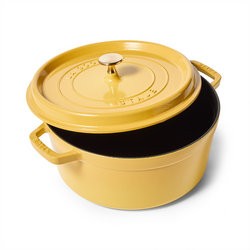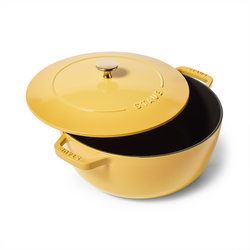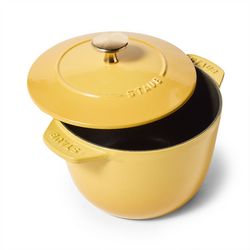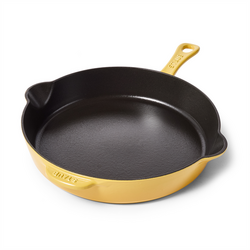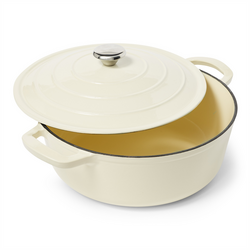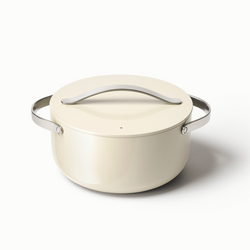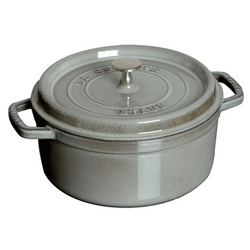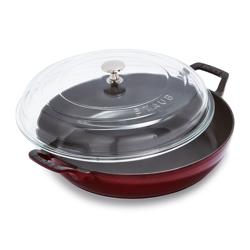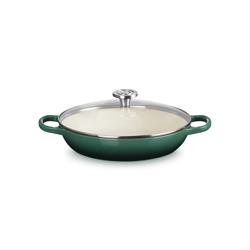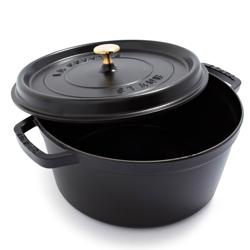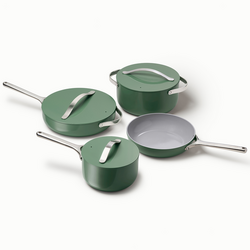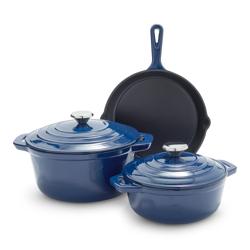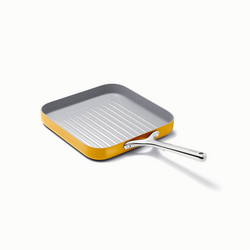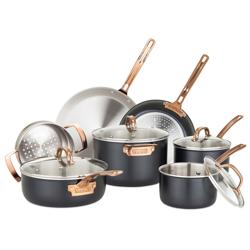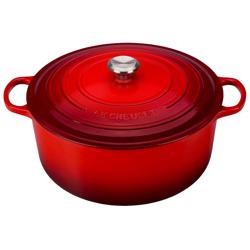
Yellow cookware brings warmth, personality and practical performance to the kitchen, with shades ranging from soft butter and pale lemon to golden ocher, marigold and rich nectar. Whether you are refreshing a well-used collection or choosing one standout piece, yellow cookware can make everyday cooking feel more inviting without requiring a full kitchen makeover. A sunny skillet on the stovetop, a golden baking dish carried to the table or a bright pot simmering on the range adds color to familiar routines and works especially well with natural wood, white porcelain, stainless steel and other neutral finishes. The best choice depends less on color than on how you cook. Consider the foods you prepare most often, the amount of room in your cabinets and whether you want lightweight pieces for quick weeknight meals or substantial cookware built for steady, even heat. A versatile skillet can handle eggs, sautéed vegetables and seared chicken, while a deeper pot is useful for soups, grains, braises and one-pot meals. For cooks who enjoy moving food from the oven to the table, look for heat-safe construction and handles that are comfortable to lift, keeping in mind that some cookware becomes very hot during use. Yellow cookware is also a thoughtful gift for newlyweds, first-home cooks, graduates or anyone settling into a new kitchen. A single colorful piece feels personal and useful, while a coordinated collection can help a new cook build confidence through simple meals shared with friends and family.
Material is one of the most important decisions when shopping for yellow cookware. Enameled cast iron is known for excellent heat retention and a glossy colored finish that can move beautifully from stovetop to oven to table. Its weight helps it hold a steady temperature for slow-cooked stews, braised meats, baked casseroles and crusty loaves, making it a strong option for cooks who enjoy leisurely meals during the cooler months. Ceramic nonstick cookware typically pairs a lightweight metal body with a smooth mineral-based coating that makes delicate foods easier to release and can reduce the need for added oil. It is a practical choice for omelets, pancakes, fish and fast vegetable sautés, especially when easy handling matters. Traditional nonstick cookware may offer similar convenience with a different coating and price point, while stainless steel and other metal cookware provide a durable cooking surface for browning, deglazing and high-heat techniques. Compare the manufacturer’s instructions for oven use, stovetop compatibility and cleaning before buying. If you prefer a bare metal surface for tasks such as building a pan sauce or developing a deep sear, explore
Metal Cookware as another option. Finish and construction matter, too: look for securely attached handles, balanced weight, smooth interiors and lids that sit firmly in place. For coated cookware, check the product details for the specific materials used and any claims about PFAS or other substances rather than assuming every ceramic or nonstick finish is the same.
Careful use will help yellow cookware retain both its performance and its cheerful finish. Follow the care instructions for each piece, since recommendations can vary even among cookware made from the same material. Wooden, silicone or other approved utensils are a sensible choice for protecting coated cooking surfaces from scratches, and it is best to avoid cutting directly inside a pan. Allow hot cookware to cool before washing, since a sudden change in temperature can stress some materials. Hand-washing is often the gentlest way to preserve a bright exterior, protect enamel from unnecessary wear and extend the life of a nonstick coating, even when a piece is labeled dishwasher safe. Use a soft sponge and mild dish soap instead of abrasive cleaners, steel wool or scouring powders that can dull a finish. For cast iron with an enamel coating, dry the piece thoroughly and avoid dragging it across a cooktop or countertop. Keep heavier pots where they are easy to lift safely, and use a trivet or heat-resistant surface when setting them on a table. As the weather warms, yellow cookware is at home with skillet vegetables, grilled accompaniments and fruit-forward baking. During cooler months, its color offers a welcome glow beside bubbling soups, slow braises and warm desserts. With the right material, size and care routine, yellow cookware can be more than an accent—it can become the dependable piece you reach for when cooking should feel both useful and joyful.