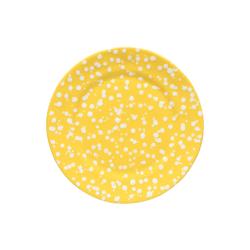
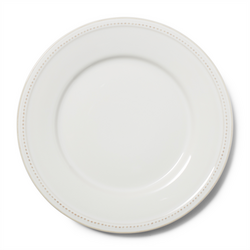
Yellow plates bring color to everyday meals and special gatherings, with sizes suited to everything from a slice of toast to a full dinner. Pale buttery shades offer a gentle alternative to white, while golden yellow and deeper mustard tones make a more noticeable statement on the table. A simple solid-color plate lets the shape and glaze take the lead; a patterned border or textured surface adds another layer of detail. The effect can be relaxed, traditional or contemporary, depending on the finish and the pieces placed around it. Material is an important part of that character. Stoneware often has a substantial feel that works well for casual meals, while porcelain can offer a finer profile without necessarily sacrificing strength. Both belong to the ceramic family, and their performance depends on their composition, firing and finish rather than appearance alone. Earthenware can have an appealing handcrafted look, though care requirements deserve attention because some pieces are more porous or prone to chipping than others. Melamine offers a lightweight alternative for meals where easy carrying and resistance to breakage matter, but it is not suitable for microwave use. Across materials, the glaze or surface finish also affects the experience of using a plate. A glossy surface reflects light and emphasizes the color, while a matte finish gives yellow a softer appearance and may show utensil marks more readily. Subtle variations in a reactive glaze can give individual place settings a less uniform look; a consistent solid finish creates a more coordinated table. For frequent use, a comfortable weight, smooth eating surface and stable base matter just as much as the shade. A plate that feels good to carry from the kitchen, sits securely on the table and stacks neatly afterward is easier to enjoy meal after meal. Yellow dinnerware can be a small accent in an existing collection or the starting point for a complete table setting.
The best size and shape depend on what usually comes out of the kitchen and how much room is on the table. Dinner plates around 10 to 12 inches across generally allow space for a main dish and sides, while smaller plates around 7 to 9 inches work well for salads, sandwiches, desserts and shared appetizers. Overall diameter does not tell the whole story: a broad decorative rim leaves a smaller center for food, while a narrow rim offers more usable surface within a similar footprint. A gently raised edge helps contain dressing or sauce, and a flatter profile can make it easier to cut food without working around a deep curve. Round plates tend to fit familiar place settings and storage arrangements; square or irregular shapes deserve a closer look at cabinet depth, dishwasher racks and the space between diners. On a compact table, a slightly smaller dinner plate can leave welcome room for drinking glasses and serving dishes. Color brings its own practical pleasures. Roasted carrots, dark leafy greens and sliced tomatoes take on a different character against yellow, while a simple sandwich or scrambled eggs can feel more thoughtfully served. Yellow plates pair naturally with wood tables, woven placemats and clear glassware, but they also work with crisp linens and polished flatware. For an easy mixed setting, combine them with
white plates to let the yellow stand out without making every piece match. Blue napkins create a stronger contrast, while cream textiles keep the overall effect softer. Repeating one color in a napkin, serving bowl or small table accent can connect mismatched pieces without requiring an entirely coordinated dinnerware set. A yellow salad plate over a neutral dinner plate adds color in a small dose; yellow dinner plates make the hue a more prominent part of the meal. Either approach leaves room to build a table that feels personal rather than overly arranged.
For yellow plates that will see daily use, care instructions are worth considering alongside appearance. Dishwasher-safe dinnerware can simplify cleanup after breakfast or a gathering, but the designation should come from the manufacturer rather than an assumption about the material. Plates need enough space in the rack to avoid knocking against one another, especially around thin rims or raised details. Microwave suitability is a separate consideration, and metallic decoration can make an otherwise familiar ceramic plate unsuitable for that appliance. Oven use requires its own explicit guidance; a plate being microwave safe does not mean it can go into a hot oven. Sudden temperature changes can damage some dinnerware, so moving a plate directly from the refrigerator to high heat is best avoided unless its instructions specifically allow it. For hand-washing, a soft sponge and mild dish soap are generally a sensible starting point, with abrasive cleaners reserved for situations where the maker recommends them. Gray lines left by flatware may be metal transfer rather than scratches, and an approved cleaner may help remove them without damaging the finish. Careful stacking also supports long-term use: keeping stacks manageable and avoiding rough contact between glazed surfaces helps protect edges and decoration. No ceramic plate is completely chip-proof, even when described as durable, so a little room in the cabinet makes everyday handling easier. These practical details are especially useful when choosing dinnerware for a busy household, a first apartment or someone who enjoys having friends over for dinner. As a gift, yellow plates feel more personal when the shade suits the recipient’s kitchen and the size fits the way they eat. Smaller plates can be a thoughtful addition for someone who loves baking or serving snacks, while dinner plates suit someone building a table setting for regular meals. Matching the recipient’s preferred care routine and storage space helps turn a colorful gift into dinnerware that gets used, not just admired.