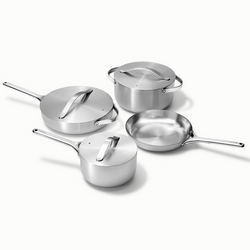
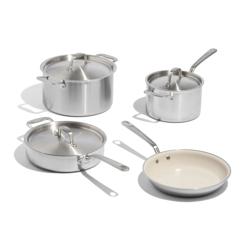
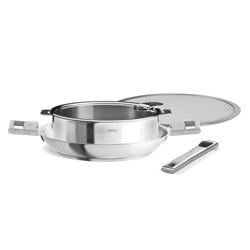
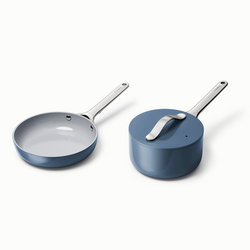
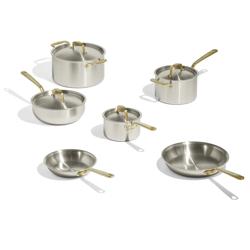
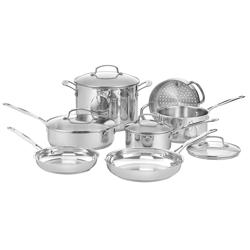
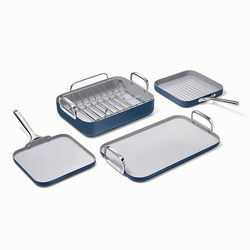
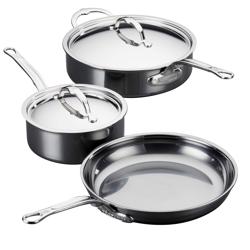
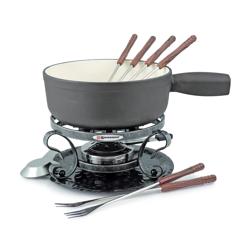
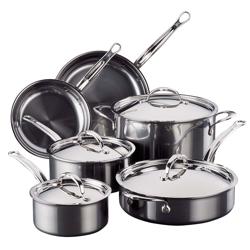
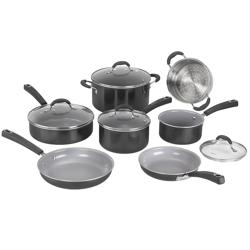
Cookware sets of seven make thoughtful Valentine’s Day gifts for people who enjoy cooking, bringing together complementary pieces for everyday meals and dinners for two. Stainless steel offers versatility for browning and simmering, while nonstick surfaces make delicate foods easier to release; the right choice reflects how the recipient likes to cook. A coordinated set can be especially useful for someone furnishing a first kitchen, replacing mismatched pans or sharing more meals at home with a partner. The appeal is practical, but it can feel personal: a pan ready for a favorite omelet, a covered pot for tomato sauce and enough flexibility to prepare a side dish while the main course finishes. Seven refers to the total number of included pieces, and lids often count toward that number, so the combination matters more than the number alone. A useful assortment balances open cooking surfaces with deeper vessels for liquids rather than repeating several sizes that serve the same purpose. For a cook who usually makes dinner for two, manageable pans may see more use than oversized cookware. Someone who prepares extra portions for lunches or regularly hosts friends may appreciate greater capacity. Wide, shallow shapes allow moisture to evaporate as vegetables sauté, while taller sides help contain soups, grains and sauces. Well-fitting lids support covered cooking and help keep splashes contained, and transparent lids make it easier to check a gentle simmer without uncovering the pan. Daily comfort matters, too. Handles should feel secure in the hand, and a full pan needs to be comfortable to lift and carry from the stove. Storage is another part of the fit: cookware that works with the recipient’s cabinets, shelves and cooking space is more likely to become part of the daily routine. For a Valentine’s Day gift, that attention to someone’s habits can be more meaningful than choosing a color or finish alone.
Materials influence everything from the first sizzle to the final cleanup. Stainless steel is a durable choice for cooks who enjoy searing, building pan sauces and using the browned bits left behind after cooking. An aluminum core or base helps distribute heat, since stainless steel on its own does not conduct heat as efficiently. That construction can be useful when softening onions evenly or maintaining a steady simmer without constantly shifting the pan. Stainless steel generally benefits from appropriate preheating and enough cooking fat to help food release, making it a different experience from cooking on a coated surface. Nonstick cookware suits tender eggs, pancakes and flaky fish, especially for someone who values easy release and straightforward cleanup. Many nonstick pans use aluminum bodies for responsive heating, while coating type and construction determine their specific care requirements. Ceramic-coated cookware is another nonstick option, not the same material as solid ceramic bakeware, and its surface also benefits from gentle treatment. Neither a traditional nonstick coating nor a ceramic coating should be assumed to last indefinitely; moderate heat, suitable utensils and careful storage help preserve performance. Cast iron, when included in a set, brings heat retention for browning and stove-to-oven cooking, though its weight and care needs deserve attention. Compatibility with the recipient’s kitchen is just as important as material preference. Induction cooking requires a compatible magnetic base, and aluminum cookware needs an appropriate base layer to work on an induction cooktop. Oven-safe temperatures vary, with handles and lids sometimes carrying different limits from the cookware bodies. A cook who finishes dishes in the oven will benefit from knowing those limits before moving a pan off the burner. Secure handles, balanced construction and bases that sit steadily on the cooking surface all contribute to cookware that feels comfortable in regular use. The best match supports familiar techniques while leaving room to try something new, whether that means a carefully browned chicken breast or a sauce made in the same pan.
A Valentine’s Day cookware gift feels most thoughtful when it suits the recipient’s relationship with cooking. For an enthusiastic home cook, it might support the pleasure of preparing a favorite meal from scratch. For someone building confidence, a coordinated assortment can make familiar tasks feel more manageable, with a suitable vessel for boiling pasta, warming sauce or cooking vegetables alongside dinner. For partners who already enjoy cooking together, the gift can become part of a shared routine: one person tending the stovetop while the other dresses a salad or sets the table. Appearance has a place in that experience, too. A preferred finish or color can make cookware feel at home in the kitchen, but comfortable handling and useful shapes give it lasting purpose. Care habits help determine whether that good fit continues. Allowing pans to cool before washing reduces the risk of damage from sudden temperature changes, and mild dish soap with a nonabrasive sponge is a gentle starting point when consistent with the manufacturer’s instructions. Even cookware labeled dishwasher safe may have recommendations that favor hand-washing to protect its finish or cooking surface. Coated pans generally need utensils approved for that surface, often wood or silicone, rather than sharp tools that could scratch it. Uncoated cast iron has different needs, including thorough drying and maintaining its seasoning. Protective layers between nested pans can reduce scratches, while accessible lid storage makes matching each pan with its cover less frustrating. For another set size, explore
9 Piece Cookware Gifts for Valentine's Day, keeping the included shapes and lids in mind rather than judging usefulness by count alone. A well-chosen set of seven can offer plenty of everyday versatility without adding pieces that rarely leave the cabinet. Its value as a gift comes through in the meals that follow: breakfast made with care, a familiar pasta dinner and the satisfaction of cooking with tools that suit the person using them.