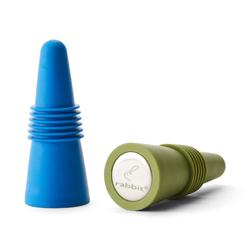
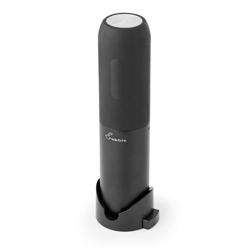
Wine aerators do not preserve wine. They introduce air to help aromas open up and make tannins seem less pronounced, while wine preservation tools limit oxygen exposure to help keep an opened bottle fresh. An aerator is for the wine being served; a preservation accessory is for the wine left behind. That distinction is useful when choosing accessories for a glass with dinner, a tasting with friends or a bottle enjoyed over more than one evening. Aerating only the portion being poured lets the rest remain in its bottle, ready to be closed and stored appropriately. Different aerator styles suit different ways of serving. A bottle-mounted pourer keeps the accessory attached while wine flows into the glass, while a handheld pour-through design sits above the glass during use. Designs with a stand provide a place to rest the aerator between pours, helping keep stray drops off the table. Consider the weight of the accessory, how comfortably it pours and whether its shape makes it easy to see the wine entering the glass. A secure fit matters for bottle-mounted styles, since bottle openings are not all identical. Clear glass or plastic components make the flow visible, while stainless steel parts offer durability and a clean appearance. Glass deserves careful handling, and plastic components vary in their resistance to scratches and staining. Aeration itself is a matter of taste rather than a requirement for every bottle. A young, tannic red may taste more approachable after exposure to air, while a delicate older wine may lose appealing aromas with too much exposure. Some white wines also show their aromas more readily after a little air. For a household that opens many different styles, an accessory that allows easy, controlled pouring can be more useful than one chosen on appearance alone.
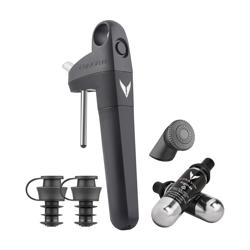
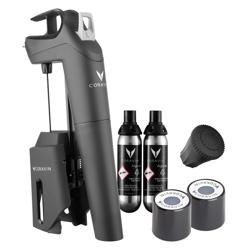
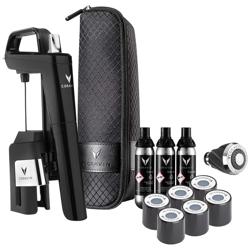
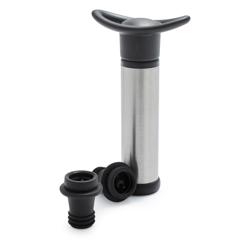
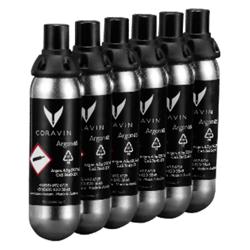
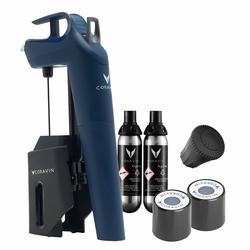
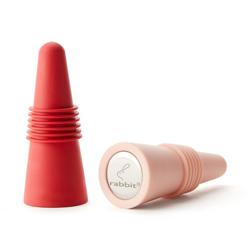
Preservation accessories address a different part of serving: keeping the remaining wine enjoyable until the next pour. A well-fitting stopper closes the bottle, but it does not remove the air already inside. Vacuum systems remove some air before sealing, while gas-based systems use a protective gas to reduce the wine’s contact with oxygen. Neither approach makes an opened bottle last indefinitely, and results depend on the wine, the amount remaining, storage conditions and the particular system. A nearly empty bottle contains more air relative to its remaining wine than a bottle with just one glass poured, so expectations should reflect how much is being saved. Refrigeration generally helps slow changes in opened still wine, including red wine; a red can be allowed to return to its preferred serving temperature before pouring. For someone who regularly enjoys a single glass, ease of resealing may matter as much as the preservation method itself. A comfortable pump, an easy-to-operate valve or a closure that is simple to remove can make the accessory practical enough for everyday use. Compatibility deserves close attention, especially with unusually shaped bottle necks, screw-cap bottles or systems designed for particular cork types. Replacement stoppers and gas supplies are also worth considering when comparing ongoing care and use. Sparkling wine needs accessories specifically designed to retain pressure and carbonation; a standard still-wine vacuum system is not a substitute for a suitable sparkling-wine closure. Likewise, an aerator intended for still wine is generally not the tool for preserving bubbles. Pairing an aerator with a separate preservation method makes sense when both serving and saving are part of the routine. A
wine preservation system for all occasions can complement an aerator without confusing their roles: one helps manage oxygen around the remaining wine, while the other introduces air at serving time.
Materials, cleaning requirements and storage space help determine which accessories will be pleasant to use beyond the first bottle. Wine travels through small channels in many aerators, and residue can collect around screens, seals and narrow openings. Smooth surfaces and accessible parts make routine cleaning easier, especially after pouring a deeply colored red. Removable components can help, but the care instructions should confirm which pieces come apart and whether any are dishwasher safe. Hand-wash parts that require it, rinse thoroughly and let everything dry before storage. Abrasive scrubbers can scratch clear surfaces, while soaking may be unsuitable for accessories with electronics, decorative finishes or components that trap water. Seals deserve attention, too: a cracked, distorted or poorly seated seal can affect both pouring and preservation performance. For a compact kitchen, a small pourer and stopper may be easier to store than a larger countertop accessory. For frequent entertaining, a stable resting place and straightforward cleanup can be especially useful when several glasses are being poured alongside dinner. Picture a bottle beside a platter of roast chicken, a few glasses on the table and an accessory that pours neatly without demanding much attention. That everyday usefulness is also what makes wine accessories thoughtful gifts. A housewarming recipient may appreciate a compact design that fits into a kitchen drawer, while someone who hosts tastings may prefer a setup that keeps pouring tidy and consistent. For a recipient who opens wine only occasionally, simple operation and clear care requirements are often more valuable than extra components. Someone who saves part of nearly every bottle may get more use from preservation tools than from an aerator alone. The most useful choice reflects those habits, along with the kinds of wine being served and the space available for storage. Durable materials, comfortable handling and dependable bottle compatibility help turn a wine accessory into something that earns a regular place at the table.