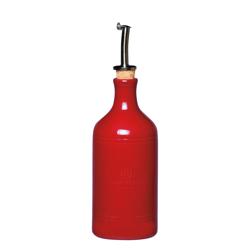
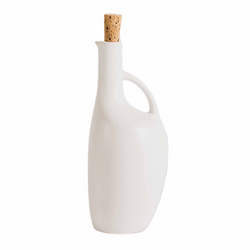
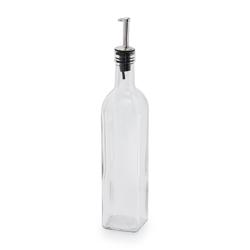
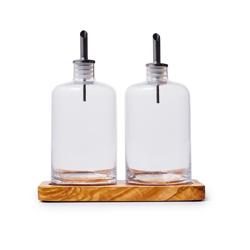
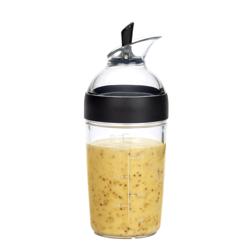
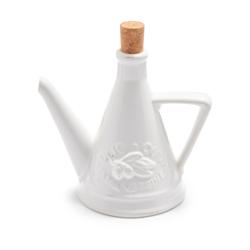
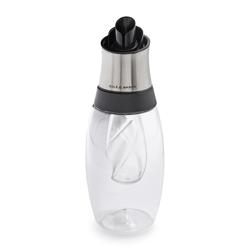
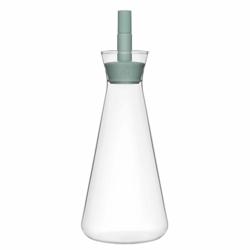
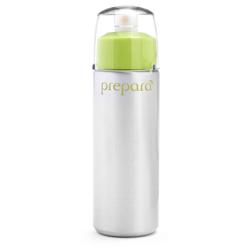
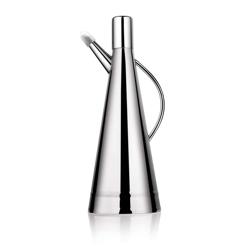
Airtight olive oil dispensers make it easier to protect one of the most frequently used ingredients in the kitchen while keeping it ready for everyday cooking. Olive oil is sensitive to oxygen, light and heat, all of which can gradually affect its aroma, flavor and freshness. A sealed dispenser helps limit exposure between uses, keeping out dust, kitchen moisture and other airborne contaminants while helping slow oxidation. The difference is especially noticeable when a bottle sits beside the cooktop, where warmth and frequent handling can take a toll. A well-designed dispenser gives you a more practical place to store oil and a more controlled way to pour it over roasted vegetables, grilled bread, fresh greens or a skillet of sautéed garlic. For cooks who reach for olive oil several times a day, moving a manageable amount into an airtight container can make the routine feel tidier and more intentional. It also helps prevent the slow drip that leaves a sticky ring on the counter or a greasy film around the bottle. During the cooler months, these dispensers are just as useful for finishing hearty soups, brushing oil onto focaccia and dressing roasted squash as they are for everyday vinaigrettes and marinades. Their usefulness extends well beyond special occasions: an olive oil dispenser belongs near the cutting board, on a breakfast table with warm toast or beside a bowl of salad waiting for its final drizzle.
Material is one of the most important considerations when choosing an airtight olive oil dispenser. Dark glass, ceramic and opaque stainless steel can help shield oil from light, including the ultraviolet exposure that may speed flavor deterioration. Clear glass makes it easy to see the oil level and appreciate its color, but it is best kept in a cool, dark cupboard rather than on a sunny windowsill or next to a hot range. If you prefer the convenience of a countertop dispenser, look for a design that offers meaningful protection from light as well as a secure lid. The closure should fit firmly and include a dependable seal, such as a silicone gasket, tight-fitting stopper or screw cap. A dust cap over the spout adds another layer of protection, particularly in a busy kitchen where flour, steam and splatters are part of the daily rhythm. Pouring style matters, too. A narrow spout supports a fine drizzle for salad greens and plated dishes, while a wider opening can be more useful when measuring oil into a pan or transferring it during a recipe. Flip-top and gravity-style lids may close automatically when the dispenser is upright, helping reduce spills and keeping the opening covered between pours. An anti-drip design is worth seeking out because even a small amount of leftover oil can collect around the neck and attract dust. Capacity should match how quickly you use olive oil. A container holding about 12 to 17 fluid ounces is a practical size for many households: large enough for convenient daily use but small enough to refill before the oil has been sitting for too long. Those who cook with olive oil in larger quantities may prefer more capacity, while occasional users may benefit from a smaller dispenser that encourages fresher refills. A comfortable handle, stable base and balanced weight are also valuable details, especially when pouring with one hand while holding a pan or serving bowl with the other.
An airtight olive oil dispenser can be a thoughtful gift for a home cook, a host or anyone who enjoys turning simple ingredients into memorable meals. It pairs naturally with a bottle of good olive oil, a loaf of crusty bread, a set of dipping dishes or a favorite salad-making tool, creating a useful gift without requiring a particular cooking style. New cooks may appreciate the control it provides when learning to season food, while experienced cooks can use it to keep finishing oil close at hand without bringing a large bottle to the table. It is equally at home in a compact apartment kitchen, a family kitchen where several people cook throughout the day or a weekend gathering where guests can dress their own salads and bread. Before filling a new dispenser, wash it according to the care instructions and let it dry completely; even a small amount of water can affect the oil and encourage residue inside the container. Refill with clean, dry hands and avoid topping off old oil indefinitely. Instead, use what remains, wash and dry the dispenser thoroughly, then add fresh oil. Store the filled container away from direct sunlight, steam and strong heat, and label it if you keep more than one type of oil in the kitchen. A cool pantry or shaded countertop is usually a better choice than the area beside the oven. For more ways to shop by cooking style and find a useful addition to a well-equipped kitchen, explore
Olive Oil Dispensers For Foodies. With the right size, material and closure, an airtight olive oil dispenser brings freshness, precision and a little more ease to everything from a quick weeknight meal to a leisurely table set during the cooler season.