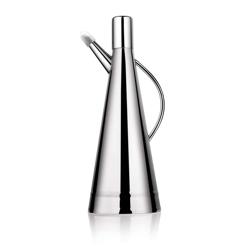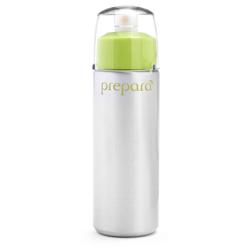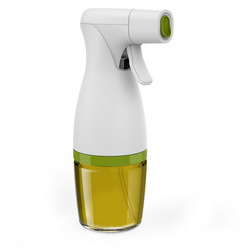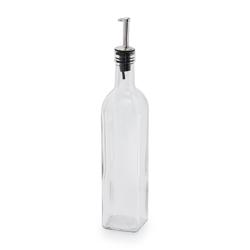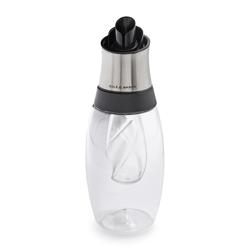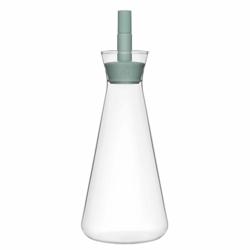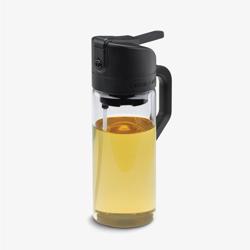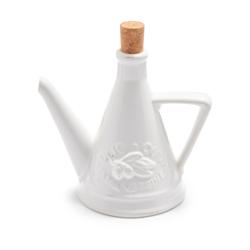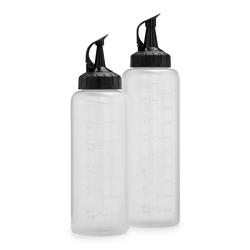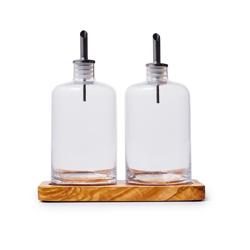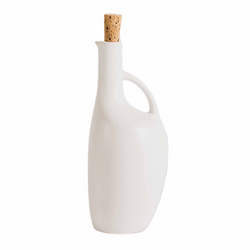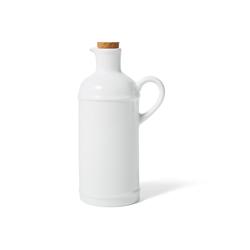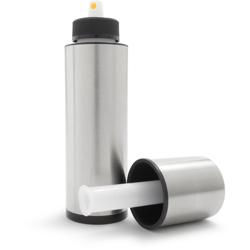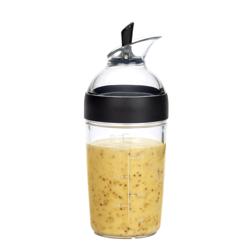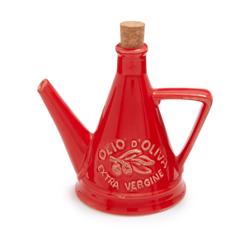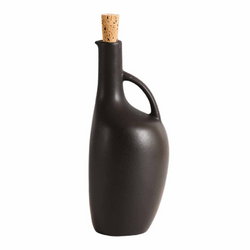
Olive oil dispensers for precise drizzling help deliver a thin, controlled stream of oil, making it easier to finish dishes without pouring more than intended. A narrow pouring spout, comfortable grip and balanced shape all contribute to control, while a well-designed vent allows oil to flow more evenly instead of arriving in sudden glugs. These details matter when a few drops of peppery olive oil are meant to complement a bowl of soup rather than cover its surface, or when sliced tomatoes need just enough oil to carry their flavor. Some dispensers have spouts designed to vary the flow with the angle of your wrist, allowing a lighter drizzle for finishing and a fuller stream for everyday preparation. Others favor a consistently slender pour that suits dressing greens, topping hummus or tracing oil over warm bread. Drip-resistant lips and spouts can help limit the streaks that collect around a bottle’s neck, although performance depends on the design, the oil and how the dispenser is handled. A secure cap or closure is another useful detail, helping protect the contents between meals. For someone who cooks often, the appeal is practical: a dispenser puts a familiar ingredient within easy reach and makes the amount easier to judge. For someone who enjoys serving food at the table, it offers a tidier way to pass olive oil alongside bread, roasted vegetables or a platter of beans and greens. During the cooler months, that same fine stream brings a glossy finish to squash soup, roasted root vegetables and warm grain salads. The best fit is not necessarily the dispenser with the most features. It is the one that feels steady in your hand, pours at a useful pace and suits the way you prepare and serve food, whether that means a small finishing drizzle or enough oil to coat vegetables before roasting.
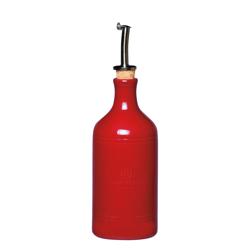
Material shapes both the look of an olive oil dispenser and how it works in your kitchen. Clear glass makes it easy to see the oil level, so there is less guesswork about when a refill is needed. It also lets the color of the oil become part of the table setting, but it provides less protection from light than dark glass or opaque materials. Dark glass helps reduce light exposure, while opaque ceramic and stainless steel bodies shield the contents from light. None of these materials replaces sensible storage: olive oil keeps better away from heat and direct sunlight, so a spot beside a hot burner or on a sunny windowsill is less suitable than a cool cabinet or shaded counter. Ceramic cruets bring a substantial feel and can sit comfortably among serving dishes, though their weight and susceptibility to chips are worth considering. Stainless steel offers durability for a busy cooking space and resists shattering if knocked over, while an opaque body makes the fill level harder to see. Glass is easy to inspect for residue but needs protection from drops and hard impacts. Across materials, a smooth interior, accessible opening and removable spout can make cleaning less awkward. Capacity deserves the same attention as appearance. A smaller dispenser can suit occasional use or a finishing oil brought out at dinner, while a larger vessel may be more convenient for someone who cooks with olive oil daily. Keeping a modest amount in the dispenser rather than decanting an entire large bottle helps match refills to your cooking routine. The dimensions should also work where the dispenser will live: a tall neck needs cabinet clearance, a broad base takes up counter space and a handle needs room for your fingers. A stable base and a secure-fitting spout are especially useful when the bottle moves frequently between preparation space and table.
Everyday comfort often comes down to details that are easy to overlook until your hands are busy. A neck that is comfortable to hold, a handle that allows a relaxed grip and a closure that is straightforward to operate can make a dispenser more pleasant to use while assembling dinner. Balance matters when the vessel is full as well as nearly empty; a heavy body paired with a long spout may feel different from a compact bottle held close to its neck. For finishing delicate foods, a spout that starts and stops cleanly is particularly helpful. It gives you more control over a ribbon of oil across fresh mozzarella or a few drops over a soft-cooked egg. For broader coverage, such as oiling a baking dish, a design that permits a steady stream may be more useful than one intended only for drops. Precision does not mean measured portions, however, unless the dispenser includes a stated measuring function. Flow can change with the oil’s temperature, the fill level and the angle of the pour. Care is equally important to long-term usefulness. Cleaning requirements vary by material and construction, and a dishwasher-safe body does not necessarily mean its stopper, gasket or pouring assembly can go in the dishwasher. Follow the care instructions for each component, paying attention to narrow channels where oil can collect. Thorough drying before refilling helps keep water out of the fresh oil, and periodic emptying and cleaning is preferable to continually adding new oil over old residue. For gifting, a thoughtfully chosen dispenser suits home cooks, frequent hosts and anyone who enjoys a finishing touch at the table. A comfortable, easy-care design is often more welcome than elaborate detailing that makes daily use difficult. The
Olive Oil Dispensers For Foodies collection offers another way to explore this kitchen essential with food lovers in mind. Whether kept near a preparation area or brought to the table with dinner, a well-matched dispenser makes olive oil easier to pour, share and enjoy in just the amount a dish needs.