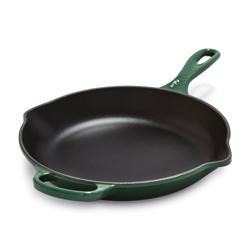
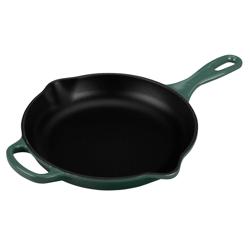
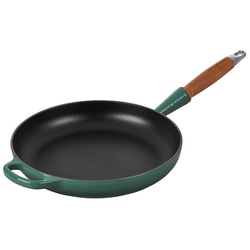
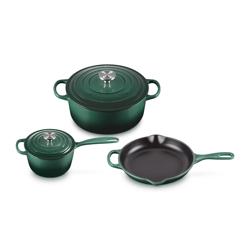
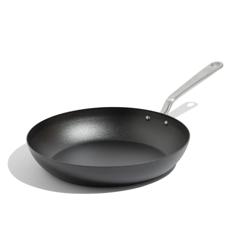
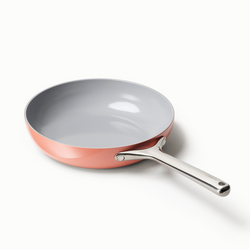
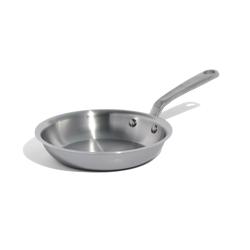
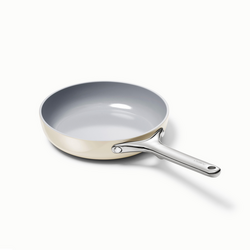
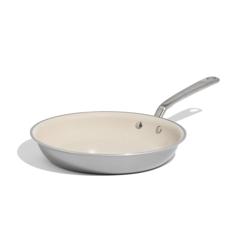
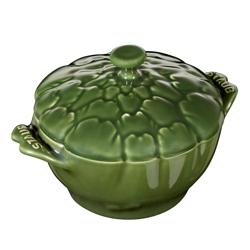
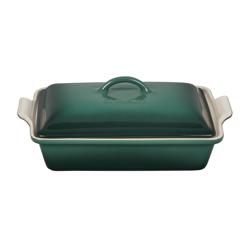
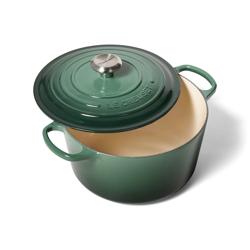
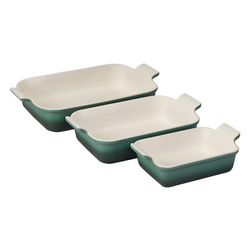
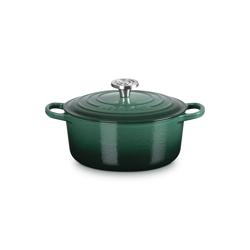
Artichoke skillets bring together practical stovetop performance and a soft, nature-inspired green finish that feels at home in both classic and contemporary kitchens. In cookware, “artichoke” usually refers to a muted green shade inspired by the layered leaves of the vegetable. It can add color without overwhelming a kitchen, pairing easily with wood, stone, stainless steel and neutral dinnerware. These skillets are useful for everyday cooking, from browning chicken and searing vegetables to preparing eggs, grains and quick pan sauces. When choosing one, consider the material, size, weight, handle design and cooking surface. Cast iron holds heat exceptionally well, making it a strong choice for searing and gently finishing dishes on the stovetop. Enameled cast iron offers that heat retention without requiring seasoning, while a smooth enamel interior is especially convenient for recipes that include tomatoes, wine, lemon or other acidic ingredients. A lighter skillet may be easier to lift when cooking for one or two people, while a wider or deeper shape gives you room to sauté aromatics, arrange larger pieces of food in a single layer and simmer a complete meal. Look for a comfortable handle that stays secure in your grip, a helper handle for lifting heavier cookware and pour spouts when transferring sauces or pan juices. If oven use is important, check the manufacturer’s temperature guidance for the skillet and its lid or handle before cooking. A well-chosen artichoke skillet can move from weekday breakfasts to leisurely dinners, offering a dependable pan for cooks who value both performance and presentation. For a broader selection of heat-retaining pieces in this color family, explore
Artichoke Cast Iron Cookware.
Artichoke skillets are also well suited to the foods that make cooler-season cooking feel generous and satisfying. Fresh artichokes can be trimmed, halved and browned cut-side down before being finished with a little liquid, garlic and herbs. Canned, jarred or frozen artichoke hearts make the process quicker and work beautifully in weeknight skillet meals. Pat drained hearts dry before placing them in a hot skillet so they can take on golden edges instead of steaming. From there, add them to a lemony chicken dish with capers and broth, fold them into a creamy spinach and cheese sauce or char them with olive oil and herbs for a warm appetizer. White beans, chickpeas, shrimp, mushrooms and sturdy greens are natural partners for artichokes, while lemon zest, parsley, basil, thyme and roasted garlic bring out their bright, savory flavor. A skillet with a broad cooking surface helps ingredients brown rather than crowd, and a deeper profile is useful when a recipe includes broth, cream or a generous amount of vegetables. Cast iron can also carry heat from the stovetop to the table, making it practical for dishes meant to be served family-style. Set the hot skillet on a heat-safe trivet and finish with fresh herbs, grated cheese or a drizzle of olive oil just before serving. That simple presentation makes a bubbling artichoke dip, skillet pasta or braised vegetable dish feel special without adding complicated steps. During the cooler months, the same pan can handle comforting meals that begin with onions and garlic and end with a rich sauce gathered from the browned bits on the cooking surface. Keep in mind that cast iron is heavy, especially when full, so a lighter option may be preferable for cooks who have difficulty lifting substantial cookware. Handle placement matters, too: a long handle can offer leverage while a secondary handle makes moving the skillet from oven to table more manageable.
Because of its distinctive color and everyday usefulness, an artichoke skillet can make a thoughtful gift for a new cook, an enthusiastic host or anyone building a kitchen collection around durable essentials. It is especially appealing for someone who enjoys serving food straight from the pan, since the gentle green finish brings a considered look to the table without depending on elaborate styling. A skillet can mark a new home, a wedding, a graduation or a first kitchen, and it is practical enough to become part of a regular routine rather than staying tucked away for special occasions. Pairing it with a favorite wooden utensil, a kitchen towel or a small collection of seasoning blends can create a useful gift without turning it into a themed set. For care, allow hot cookware to cool slightly before washing, then clean it with warm water and a soft sponge according to the manufacturer’s instructions. Avoid sudden temperature changes, which can stress some enamel finishes, and dry the skillet thoroughly before storing it. If the surface is enameled, avoid metal tools that may scratch the finish; silicone, wood or other gentle utensils are reliable choices. If the skillet is traditional uncoated cast iron, follow its seasoning and care requirements and dry it promptly to help prevent rust. Store it where it can be reached easily, because the best skillet is the one that becomes part of the rhythm of cooking: warming tortillas for breakfast, crisping potatoes for brunch, searing a simple supper or keeping a saucy artichoke dish warm while everyone gathers around the table.