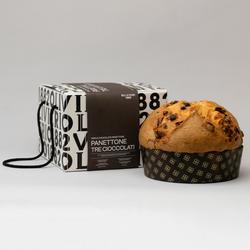
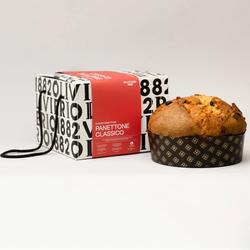
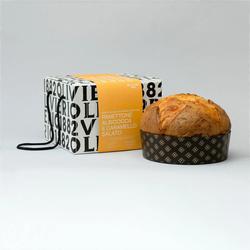
A tall, golden dome gives artisan panettone a place at the center of the holiday dessert table, but the real appeal is in the first slice. Beneath the browned crust, the buttery crumb is light enough to pull apart in delicate strands. This Italian sweet bread has roots in Milan and owes its distinctive texture to an enriched dough made with butter and eggs. In traditional baking, a slow rise gives the dough time to develop flavor, a tall paper mold supports it in the oven and cooling the loaf upside down helps it keep its height. The result has the richness you’d expect from a holiday dessert without the density of a fruitcake. In a classic panettone, raisins and candied citrus peel bring little pockets of sweetness and a fragrant orange note. Chocolate gives the bread a different character, especially where a piece melts into the soft crumb. The choice can be as simple as thinking about what else is on the table. Candied citrus makes a bright contrast to a tray of buttery cookies, while chocolate can be a good fit when panettone is the main dessert and strong coffee is all you plan to serve with it. If you’re choosing for someone who hasn’t tried panettone before, a traditional fruit loaf gives them a taste of what sets it apart from other sweet breads. For someone who likes the fluffy texture but usually picks around raisins, a loaf without dried fruit is a better fit. And when a holiday gathering brings together guests with different dietary needs, check the ingredient and allergen information rather than relying on the flavor name. Wheat, eggs and dairy are typical in traditional panettone, and nuts may be present even when they aren’t the main flavor. Keeping the original packaging handy makes it easier for guests to check for themselves.
Think about how you’ll serve the panettone when choosing the size. A tall loaf makes an inviting centerpiece for a sit-down dinner where everyone can have a wedge, while a smaller loaf fits easily alongside other sweets at a holiday open house. If guests will be eating while standing or holding a cup of coffee, slim wedges are easier to manage than thick slices and let people try a little without committing to a full dessert. A serrated bread knife cuts through the domed crust without pressing the airy interior flat. Peel the paper away from the section you’re cutting and leave the rest in place until you need another slice. At room temperature, the loaf’s butter and citrus are easy to taste, so it doesn’t need frosting or a heavy sauce to feel like dessert. A spoonful of lightly sweetened whipped cream works well for a plated serving, but plain slices are just as welcome when people are helping themselves. For a buffet, put out a few slices and cut more as needed so the exposed crumb doesn’t dry out while everyone lingers over coffee. The wrapping matters for keeping the loaf fresh, too. The baking paper supports the loaf but doesn’t seal it against air, so close the inner bag tightly after serving or transfer what’s left to an airtight container. Check the label for storage instructions, particularly for loaves with a filling, since those can differ from a plain or fruit-studded loaf. If the label allows freezing and you don’t expect to finish the loaf soon, wrapping individual portions makes it easy to take out just enough for breakfast. A slice that has lost some of its softness can still be delicious toasted, with crisp edges and the scent of butter and citrus. Thicker slices also hold up well for French toast, a practical way to enjoy what’s left when overnight guests come down for breakfast.
Panettone also makes a thoughtful holiday gift for a host, a neighbor or anyone who likes to take their time over a cup of coffee. It’s ready to serve, but it doesn’t have to go on the table the moment you arrive. A host who already has dessert planned can keep the loaf sealed and open it for brunch or share it later with family. For an office or a household that enjoys having people over, a larger loaf is easy to divide into as many slices as the occasion calls for. For a couple or someone who lives alone, a smaller loaf gives them something special to open without leaving more than they’re likely to eat. Packaging is worth a look if the gift will be traveling. A sturdy box can help protect the high dome from being crushed in a crowded car or under heavier packages, while intact inner wrapping helps keep the loaf soft. Keep it upright and leave the loaf sealed until it’s time to serve. For someone who enjoys baking bread as much as eating it, a loaf is something they can enjoy without turning on the oven, while
Bread Baking Gifts for the Holidays offers ideas for the projects they like to take on themselves. For a recipient who remembers panettone from family celebrations, a fruit-studded loaf may be the most welcome choice. For a host whose tastes you don’t know as well, think about how the gift will fit into the occasion: a loaf that can be opened and sliced at the table asks little of someone who’s already prepared a meal. Whether it’s served after a holiday dinner or opened the next morning with a pot of coffee, panettone is at its best when there’s time to notice the soft crumb, the golden crust and the fragrance that comes with the first cut.