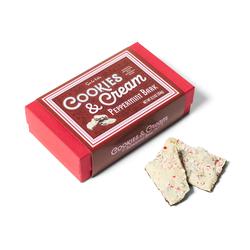
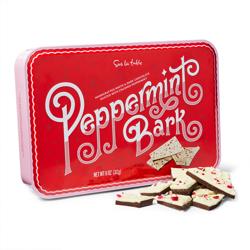
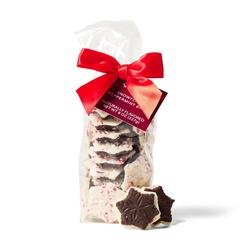
Peppermint bark brings a familiar combination of rich chocolate, cool mint and candy crunch to holiday dessert platters. Its appeal is as much about contrast as sweetness: a crisp piece of chocolate gives way to a smooth melt, while crushed peppermint adds a bright flavor that stands apart from buttery cookies and spiced cakes. The red-and-white flecks also bring color to a platter without elaborate decorating, making bark an easy addition to Christmas gatherings, holiday open houses and small dinners with friends. Recipes vary, so the balance of chocolate and peppermint is worth considering when choosing something to share. Dark chocolate offers a deeper cocoa flavor against the sweet candy topping, while milk chocolate makes for a gentler, creamier bite. White chocolate contributes a sweet, milky flavor and a pale background that shows off the peppermint pieces. Layered styles combine contrasting flavors in a single piece, though the thickness of each layer can change the overall impression. For someone who loves a pronounced mint flavor, a recipe with peppermint throughout the chocolate may be more appealing than one that relies mainly on candy scattered across the surface. Texture matters, too. Finely crushed candy gives a more delicate crunch, while larger pieces make the peppermint topping more noticeable with each bite. Thin bark feels light and breaks easily into small portions; thicker pieces offer a more substantial chocolate bite. Neither style needs much space on a dessert plate, which is useful when guests want a little of several sweets rather than a full serving of one dessert. Irregular edges give bark a relaxed appearance alongside neatly sliced cakes or carefully decorated cookies. That mix of shapes helps a holiday platter feel welcoming rather than overly arranged, with small pieces that guests can enjoy after dinner or take back to a conversation over coffee.
Choosing peppermint bark for a group also means considering ingredients, portion size and how the chocolate will be stored before serving. Ingredient lists provide a clearer picture than appearance alone, especially when comparing chocolate styles or checking whether peppermint comes from flavoring, candy pieces or both. Milk, soy and other allergens may be present, and production facilities may also handle peanuts or tree nuts. Anyone shopping for a guest with a food allergy or dietary restriction should rely on the package labeling rather than assume a dark chocolate base makes a confection dairy-free or that a simple-looking recipe is suitable for every diet. For mixed gatherings, keeping packaging accessible allows guests to check those details themselves. Package size is another practical consideration: a smaller amount can round out a platter already filled with desserts, while a gathering centered on coffee and sweets may call for more generous portions. Pieces that are easy to pick up and eat in a bite or two tend to work well for standing receptions, where guests may already be holding a cup or a small plate. Freshness and handling deserve the same attention as flavor. Chocolate generally keeps best in a cool, dry place away from direct sunlight, strong odors and sources of heat, with the package directions taking priority. A sealed package or tightly covered food-safe container helps protect the chocolate and preserve the candy’s crunch. Humidity can make peppermint pieces sticky, and a sunny counter or a spot beside a warm oven can soften the chocolate before it reaches the table. Peppermint’s aroma can also carry into nearby foods, making separate storage helpful when delicate pastries or lightly flavored cookies are part of the spread. Protective packaging matters when bark will travel to a gathering, since pieces can shift or break in transit. A few smaller fragments are easy to serve, but a supported package helps preserve larger pieces intended for an arranged platter or a gift.
Peppermint bark fits naturally into holiday entertaining because it can play either a supporting role or serve as the main chocolate treat. On a generous dessert platter, it provides a crisp contrast to soft cookies, tender cake and chewy dried fruit. Alongside
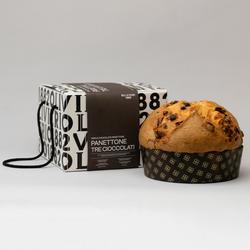
artisan panettone for holiday dessert, its cool mint flavor and firm texture offer a distinct counterpoint to the bread’s soft crumb. Smaller portions leave room for guests to try both without making the plate feel crowded. A platter with separate areas for each dessert also keeps loose peppermint crumbs from covering neighboring sweets and makes individual choices easier to see. For a simpler finish to dinner, a few pieces of bark served with coffee or tea can feel complete without requiring another full course. Unsweetened drinks offer a useful contrast to the candy’s sweetness, while hot chocolate makes the pairing more indulgent for guests who enjoy a chocolate-forward dessert. Serving some bark at a time, with the rest protected until needed, helps keep the presentation tidy through a longer gathering. Beyond the dessert table, peppermint bark makes a thoughtful seasonal gift for a host, a neighbor or someone who enjoys keeping a little chocolate on hand. Its familiar flavor and shareable format suit a household gift, while a smaller package can be a personal thank-you. The recipient’s tastes still matter: a dark chocolate enthusiast may appreciate a different balance than someone who prefers sweet, creamy confections. Intact, clearly labeled packaging is especially useful for gifting because it preserves ingredient information, storage directions and any freshness guidance. When a gift will be carried between several stops, protection from crushing and temperature extremes is more valuable than elaborate wrapping alone. Whether shared after a holiday meal, tucked into a gift bag or set beside a pot of coffee, peppermint bark offers a satisfying combination of chocolate richness and peppermint crunch in a portion guests can make their own.