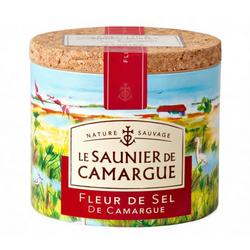
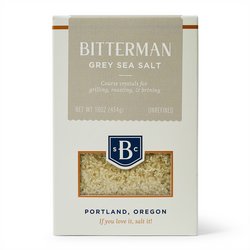
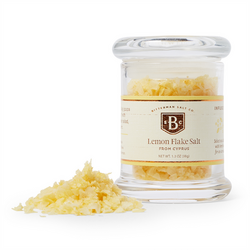
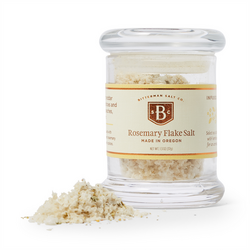
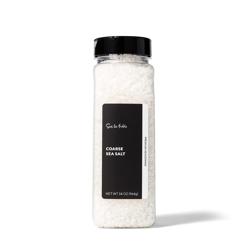
Artisan sea salts reflect both the coastal waters they come from and the way they are harvested, dried and finished. Exploring sea salts by harvest region brings those details into focus, from the soft, delicate crystals associated with parts of the French Atlantic coast to the varied textures produced around the Mediterranean and Pacific. Along the Atlantic coast of France, traditional salt marshes are known for gray sea salt and fleur de sel, two styles with different textures and uses. Gray sea salt can retain moisture and take on its characteristic color through contact with the clay-lined beds where it forms. Fleur de sel is gathered from delicate crystals that develop at the surface of saltwater ponds and is often reserved for finishing food. Coastal Portugal and Spain also have long traditions of sea salt production, including hand-harvested finishing salts. Around the Mediterranean, salt-making regions in Italy and Greece produce salts ranging from fine grains suited to everyday cooking to larger crystals that add a distinct crunch. Pacific coastal producers use a variety of techniques, including solar evaporation and methods that apply heat to concentrate seawater. These processes matter as much as geography: two salts from the same coastline can feel quite different on the tongue, while salts from distant regions may share a similar crystal shape. Most sea salt is sodium chloride, so differences are often more noticeable in texture, moisture and the way crystals dissolve than in dramatic changes of flavor. Color alone does not establish quality, and a regional name does not tell the whole story. Harvest location, production method and any added ingredients offer a more useful picture of what is in the container. For cooks who enjoy knowing where ingredients come from, these details add another layer of interest to a pantry staple. A salt selected for its origin can connect a simple plate of tomatoes, a piece of grilled fish or a slice of buttered bread to a particular coastal food tradition without requiring an elaborate recipe.
Choosing among artisan sea salts starts with how the salt will be used. Fine sea salt disperses readily through sauces, soups and dressings, making it practical when even seasoning matters more than visible crystals. Coarser grains can work well in cooking when they have enough time and moisture to dissolve, while flakes and delicate surface-harvested crystals are especially appealing as a final touch. On roasted carrots, a few flakes provide small bursts of salt against the vegetables’ sweetness; on a chocolate cookie, they create contrast without disappearing completely into the dough. A moist, coarse sea salt offers a different experience, with crystals that may cling together rather than scatter as freely as a dry finishing salt. That difference affects how it feels between the fingers and how evenly it falls across a plate. Crystal size also matters when following a recipe. A teaspoon of airy flakes can contain substantially less salt by weight than a teaspoon of compact fine grains, so different textures are not always interchangeable measure for measure. For bread dough, brines and other recipes where salt concentration is important, weighing the salt helps keep results consistent. Finishing salts are best appreciated where their texture remains noticeable: over sliced steak after resting, on avocado toast just before serving or across tender potatoes dressed with olive oil. In a simmering pot, those distinctive crystals dissolve, so their shape no longer contributes to the finished dish. Neither use is wrong, but matching the salt to the task helps make the most of its qualities. Grind size should also suit the equipment. A salt mill generally needs dry crystals of an appropriate size and a grinding mechanism designed for salt; damp salts may clump or interfere with the mechanism. For many cooks, a fine sea salt for cooking and a contrasting finishing salt make a useful combination. The distinction is practical rather than formal, leaving room to experiment with regional character while keeping everyday seasoning straightforward.
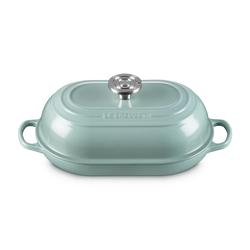
Good packaging and thoughtful storage help preserve the qualities that make artisan sea salts enjoyable to use. Salt readily draws moisture from its surroundings, so a tightly closed container helps limit unwanted clumping and keeps pantry odors out. Glass, food-safe ceramic and suitable food-safe plastic can all work well for storage, provided the container closes securely. A small salt cellar is convenient beside a preparation area, while the main supply is better kept away from steam and splashes. Clean, dry hands or a dry spoon help prevent contamination, especially when moving between raw ingredients and ready-to-eat food. Naturally moist sea salts may remain soft or form clusters even with careful storage; that texture is not necessarily a flaw. Plain salt is highly shelf-stable, although salts blended with herbs, citrus or other ingredients need attention to their labels and storage directions. Ingredient information is also useful when choosing a gift, since a salt’s color or aroma may come from additions rather than its harvest region. Clear origin labeling helps distinguish where the salt was harvested from where it was packed, giving a regional selection more meaning. For a curious home cook, a small assortment with contrasting textures can be more engaging than several salts that behave almost identically. Someone who loves simple vegetables might appreciate delicate flakes, while an enthusiastic bread baker may find a fine-grained sea salt useful for measured recipes. A finishing salt paired with a
Sea Salt Covered Baker makes a thoughtful gift for someone who enjoys bringing baked side dishes to the table. Housewarmings, weddings and thank-you gifts are natural occasions for ingredients that invite everyday use. Even a casual dinner offers an opportunity to notice the differences: the same unsalted butter and bread served with two regional salts lets texture take the lead. The pleasure is in finding a salt that suits the food, feels comfortable to cook with and adds a small, deliberate touch to the meal.