-
(6)
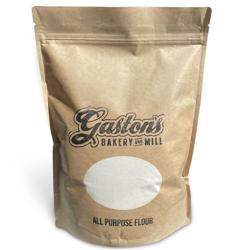
A versatile assortment of additive-free all-purpose flours, milled for maximum freshness and amazing baking results.
Pros: quality, taste, all-purpose
-
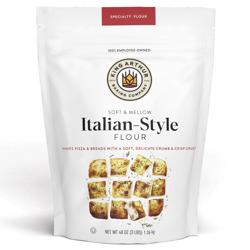
A lower protein Italian-style flour that yields supple dough and light, airy baked goods.
-
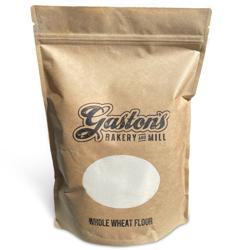
A pack of six additive-free whole wheat flour bags, perfect for baking pastries and breads.
-
(1)
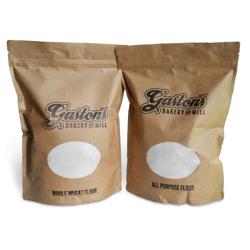
A versatile assortment of additive-free all-purpose and whole wheat flours for baking enthusiasts.
Pros: versatility, texture, quality
Baking Flour
Baking flour is an essential ingredient in many baked goods. These flours come in a variety of types, each with its own unique characteristics and uses. They are typically made from wheat, but other grains such as rye or barley can also be used. Here are some great options.
Baking Flour
FAQ List
All-purpose flour has a lower protein content than bread flour, which makes it a versatile option for a wide variety of recipes. Bread flour has a higher protein content, which gives it a stronger gluten structure and is ideal for making yeast breads and other baked goods that require a chewy texture.
It depends on the recipe and the flours you are substituting. Some flours can be used interchangeably, while others have unique characteristics that can affect the texture and flavor of the final product. It's best to consult a baking guide or recipe book for specific substitution recommendations.
Flour should be stored in an airtight container in a cool, dry place, away from direct sunlight. This will help prevent moisture and humidity from affecting the quality of the flour. It's also a good idea to label the container with the type of flour and the date it was purchased.
Gluten-free flour is made from grains or other ingredients that do not contain gluten, a protein found in wheat, barley, and rye. This type of flour is ideal for those with gluten sensitivities or celiac disease, but it may require different baking techniques than traditional wheat flour.
There are many alternative flours available, including spelt flour, teff flour, almond flour, coconut flour, and more. These flours can add unique flavors and textures to your baked goods, but may require different baking techniques than traditional wheat flour. It's best to consult a baking guide or recipe book for specific recommendations.
-
"Hands down, this is The best flour and only flour I use"
-
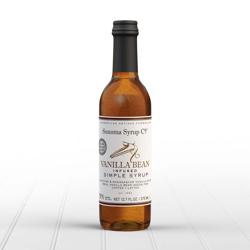
"I love using this syrup with my morning coffee"
-
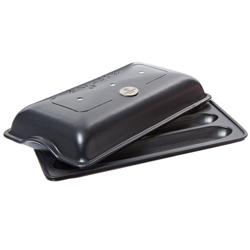
"The best baguette baker I ever owned"
-
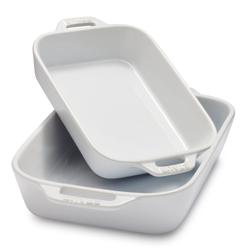
"Staub is the best! Nothing sticks to these, and they are the perfect size for two people"
-
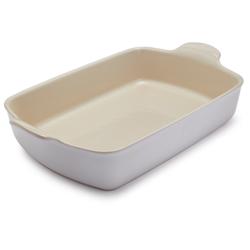
"This pan is the best Baker I have. Foods come out evenly cooked and the pan is so easy to clean"