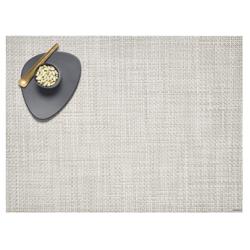
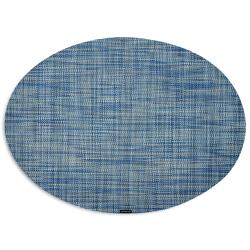
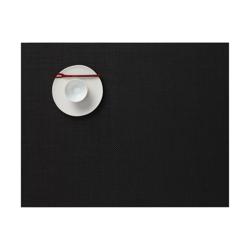
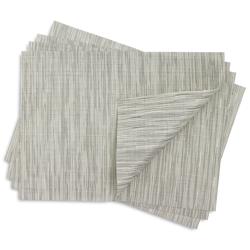
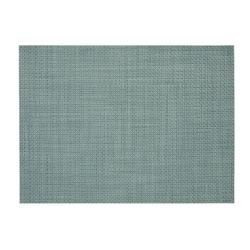
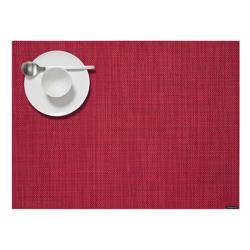
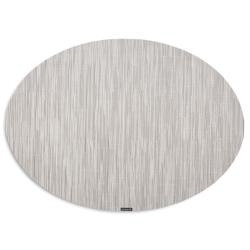
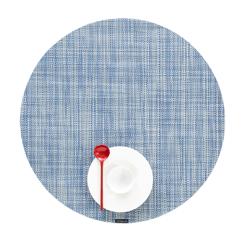
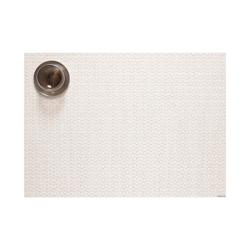
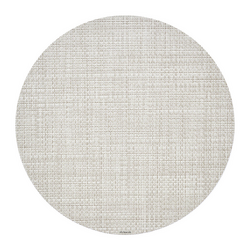
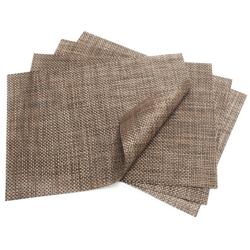
Basketweave placemats bring a textured, woven look to the table while defining a place for each diner’s plate, flatware and glass. The classic basketweave pattern traditionally interlaces groups of strands over and under one another, creating a subtle checkerboard effect with more dimension than a smooth surface. Materials can include vinyl, other synthetic fibers, cotton and cotton blends, with each offering a different feel and approach to care. Wipeable synthetic styles can be practical for everyday meals, while fabric versions offer a softer foundation for a place setting. The best choice depends on how you use your table, the amount of maintenance you prefer and the surface beneath the mat. For a kitchen table that sees breakfast, homework and dinner, a flexible placemat that cleans easily and stores flat can make setting up and clearing away simpler. For a dining room where meals tend to linger, a cloth basketweave can add texture without competing with patterned dishes or decorative glassware. Look closely at the construction as well as the material: a tight weave generally creates a smoother surface, while a more open weave gives the pattern greater definition but can allow crumbs and spills to reach the tabletop. Vinyl itself may resist water, but a woven vinyl placemat is not necessarily a waterproof barrier. Likewise, a placemat can help reduce direct contact between dinnerware and a table without providing the heat protection needed beneath hot cookware. Trivets remain the right choice for pots, baking dishes and other serving pieces straight from the oven or stove. Thickness, flexibility and edge finishing also affect everyday use. A mat should lie flat enough to keep plates steady, with finished edges that resist catching during handling. These details matter just as much as color when choosing basketweave placemats for frequent meals.
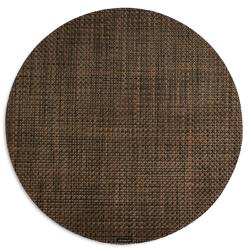
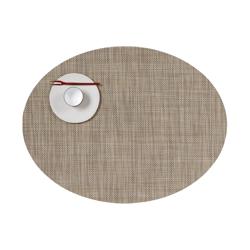
Size and shape determine how comfortably basketweave placemats work with your table and dinnerware. Before choosing, measure the usable tabletop and consider a complete place setting rather than a dinner plate alone. A charger, folded napkin and several pieces of flatware need more room than a bowl and spoon, and neighboring placemats should not overlap or hang over the edge. A generous rectangular mat can frame a full setting on a long dining table, while a round shape may fit more naturally around a small round table. Neither shape is limited to one table style; the important detail is how the mats sit together once everyone has room to eat. On a compact breakfast table, keeping glasses just beyond the placemat may leave more space for plates, provided suitable coasters protect the surface underneath. At a larger table, leave space in the center for shared bowls and serving utensils so the arrangement remains useful throughout the meal. Basketweave texture works especially well when the rest of the setting has a few clear contrasts. Smooth white porcelain makes the interlaced pattern easier to see, while stoneware with an irregular glaze creates a more relaxed combination. Clear glassware keeps the overall look light, and a plain cloth napkin adds softness without introducing another busy pattern. Color can either echo the table or stand apart from it. A pale mat on dark wood makes each setting distinct, while a deeper neutral on a light surface adds definition. For an earthy palette that pairs naturally with cream dishes, wood accents and muted greens,
Woven Brown Placemats offer a related direction to consider. Similar shades do not have to match exactly; small differences in tone can make a table feel thoughtfully assembled rather than overly coordinated. If your dinnerware already has a strong border or detailed motif, a single-color basketweave lets that design remain the focus. The texture provides visual interest on its own, making it easy to change napkins, flowers or serving pieces without replacing the foundation of the setting.
Care requirements deserve a close look, particularly when placemats will be used every day. Always follow the care instructions for the specific material and construction rather than assuming all woven styles can be cleaned alike. Many synthetic basketweave placemats can be wiped with a soft cloth or sponge and mild soap, but soaking, machine washing and dishwasher cleaning should be reserved for styles expressly labeled for those methods. Remove food promptly and clean both sides when needed, since residue can collect in the weave or transfer to the tabletop. Let mats dry completely before putting them back on the table or stacking them for storage. Cotton and cotton-blend placemats may allow machine washing, though water temperature, drying method and ironing instructions vary. Fabric can shrink or lose its shape with unsuitable care, so check those details if a precise fit or crisp edge matters to you. For any material, avoid harsh scrubbing that could roughen fibers or damage a finish. Durability depends on construction, handling and cleaning as well as the fiber itself: closely finished edges, a stable weave and storage that prevents creasing all contribute to lasting usefulness. Store placemats flat when recommended, and avoid folding styles that may retain a permanent crease. On delicate wood or lacquered furniture, check compatibility with the table’s finish and keep the surface beneath each mat clean and dry. Trapped moisture or grit can undermine the protection a placemat is meant to provide. For households with children, easy cleanup and a stable surface may take priority over a more delicate texture. For someone who enjoys hosting, coordinating mats can make it simpler to set a welcoming table for a casual lunch or a longer dinner with friends. Basketweave placemats can also be a thoughtful housewarming or wedding gift when the recipient’s table size, preferred colors and care habits are known. A versatile neutral and a quantity suited to the household are useful starting points, especially for someone establishing a dining space. Whether used for a solo breakfast or a table full of guests, well-chosen placemats bring a considered finishing touch to meals without requiring an elaborate arrangement.