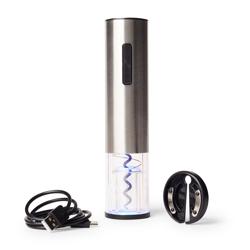
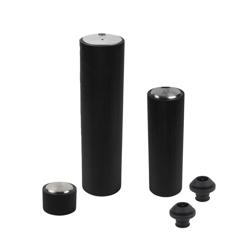
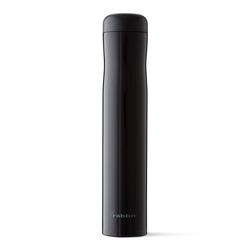
A battery-powered wine opener uses a small motor to pull a cork from a wine bottle in seconds. Some models run on replaceable batteries, often AA, while others have a built-in rechargeable battery. Many are designed to remove both natural and synthetic corks from standard still wine bottles. Instead of twisting a handle into the cork and pulling against the bottle, you hold the opener upright and let the motor do the work. The spiral draws the cork up into the housing, and a reverse button or release setting lets you eject it afterward. That simpler motion can be useful if twisting a manual corkscrew strains your wrist or if you’re opening several bottles over the course of a dinner. There’s still a little coordination involved: the bottle needs to sit on a stable surface, and the opener needs to be held straight. A clear lower housing can help you see where the spiral meets the center of the cork, while distinct buttons make it easier to tell the pull and release functions apart at a glance. Fit matters on both ends. A slimmer handle may feel more secure in a smaller hand, and a broader grip with a textured surface may be easier to hold than a smooth one. At the bottle end, the housing needs to fit squarely over the neck. If you often serve wine from bottles with unusually wide lips or decorative necks, check the opener’s fit rather than assuming every bottle will seat the same way. These tools are meant for standard cork closures on still wine, not for the pressurized corks on sparkling wine. A delicate cork in an older bottle may also call for a manual opener designed to ease it out without driving a spiral through the center. For a bottle you plan to pour with dinner, though, an electric opener takes much of the tugging out of getting the cork free.
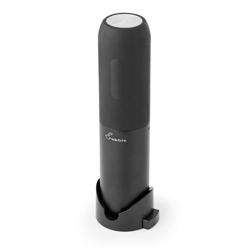
The choice between replaceable batteries and a rechargeable opener often comes down to where you use it and how you like to store it. A model that takes replaceable batteries can live in a sideboard or bar cabinet without a nearby outlet. Keeping a spare set with the opener makes it easy to get back to pouring if the batteries run down halfway through opening bottles for a group. A rechargeable model may suit a kitchen or home bar where the opener has a regular spot near an outlet. Some charge on a dock that doubles as a stand, while others use a cable that can be unplugged and tucked away. A battery indicator is handy if you want to check the charge before guests arrive. Look at the whole setup when thinking about space: a tall opener on a charging stand may not fit on a shallow shelf, and using the opener under an upper cabinet takes enough clearance for both the bottle and the tool above it. Materials affect how the opener feels in daily use. A stainless steel exterior offers a firm feel and can be wiped clean, while a lightweight plastic housing may be more comfortable to lift and hold through several openings. A textured grip can be more noticeable in use than either finish, especially if you’re going back and forth between pouring wine and setting out food. A foil cutter is another practical detail. On some openers it has a place in the base or cap, so there’s no need to hunt through a drawer before the cork is even exposed. For routine care, follow the maker’s directions and keep the motor housing out of the sink. A soft, slightly damp cloth is usually enough to wipe away fingerprints or a stray splash of wine from the exterior. Clear away loose cork crumbs as directed rather than rinsing the mechanism. If a model with replaceable batteries will sit unused for a long stretch, follow the storage instructions for removing the batteries to help protect the compartment from leaks.
A battery-operated wine opener can be just as useful for a quiet dinner as it is for a full table. When there’s a pan on the stove and a bottle to open before sitting down, a comfortable grip and clearly marked controls matter more than extra features. At a dinner party, the benefit is a little different. The opener can stay beside the glasses so a guest can open the next bottle without looking for a corkscrew or figuring out an unfamiliar lever. For someone who likes to set out a few wines for guests to taste, an easy-to-reach release button makes it simpler to clear one cork before moving to the next bottle. If the usual routine is only a glass or two, a wine stopper serves a different purpose: the opener removes the cork, while the stopper closes the bottle for later. That makes the two a natural pairing for a housewarming or wedding gift, especially for someone setting up a bar cart or putting together the basics for hosting. A battery-powered model also makes a thoughtful gift for a wine drinker who finds a traditional corkscrew uncomfortable. In that case, think about the size of the handle, how easy the buttons are to press and whether the recipient would rather plug in a charger or swap out batteries. For a host who already has a drawer full of bar tools, a compact opener with a cutter that stays with it may be a better fit than a larger setup. For someone who keeps wine tools out on a counter, an upright stand gives the opener a place to go back to after the last pour. To compare electric and manual styles for different hosts and occasions, browse
Wine Openers For Gift.