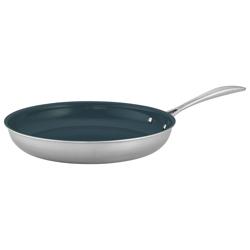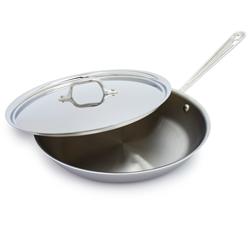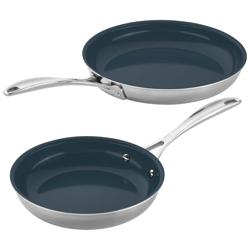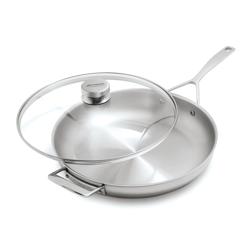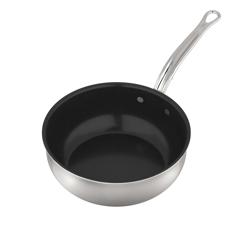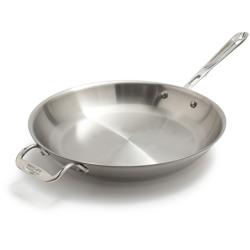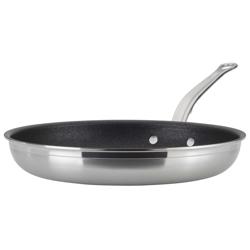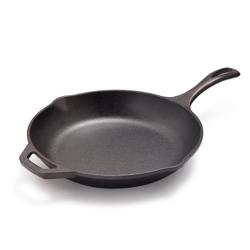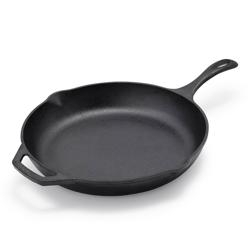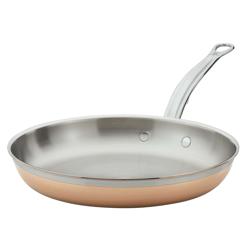
Choosing the best frying pan for your kitchen is an essential decision for both novice cooks and seasoned home chefs alike. Frying pans are a versatile staple, perfect for everything from searing meats and sautéing vegetables to crafting delicate omelets or crispy pancakes. When selecting a frying pan, it’s important to consider factors such as material, size, weight, and handle comfort. Materials like stainless steel, nonstick coatings, cast iron, and copper each offer unique benefits—whether you’re seeking durability, easy cleanup, or superior heat retention. Additionally, the right size pan can make all the difference; smaller pans are ideal for single servings or quick tasks, while larger options accommodate family meals or entertaining guests.
Frying pans also make thoughtful gifts for a variety of occasions. Whether celebrating a housewarming, wedding, or graduation, gifting a quality frying pan is a practical way to support someone’s culinary journey. They’re equally appreciated by aspiring cooks eager to expand their skills and by experienced home chefs looking to upgrade their kitchen essentials. With proper care and maintenance, a well-chosen frying pan can become a trusted companion in the kitchen for years to come.
No matter your cooking style or skill level, investing in the best frying pan suited to your needs can elevate everyday meals and inspire creativity in the kitchen. From quick weeknight dinners to special weekend brunches, a reliable frying pan is indispensable for countless recipes and techniques. Take time to assess your preferences—such as preferred cooking surfaces or compatibility with your stovetop—so you can select the perfect addition to your cookware collection.
Best Frying Pans of 2026
According To Customer Reviews
Finding the perfect frying pan can transform everyday cooking into an effortless and enjoyable experience. To help you choose with confidence, we’ve curated a selection of the best frying pans, ranked according to real customer reviews. Whether you’re searing steaks, flipping pancakes, or sautéing vegetables, these top-rated options deliver exceptional performance, durability, and versatility. Explore our expert-picked favorites and discover the ideal frying pan to elevate your culinary creations.
What to Look for in Frying Pans?
Choosing the right frying pan can make a big difference in your everyday cooking experience. Here are four key aspects to consider when shopping for the best frying pans.
Frequently Asked Questions
What materials are commonly used to make high-quality frying pans?
High-quality frying pans are typically made from materials such as stainless steel, cast iron, nonstick-coated aluminum, and copper. Each material offers unique benefits in terms of heat distribution, durability, and ease of maintenance.
How should I care for and maintain my frying pan to ensure longevity?
To maintain your frying pan, always follow the manufacturer's cleaning instructions. Generally, avoid using metal utensils on nonstick surfaces, hand-wash cast iron with minimal soap, and thoroughly dry all pans to prevent rust or damage. Regular seasoning is recommended for cast iron pans.
What are the advantages of using a nonstick frying pan?
Nonstick frying pans allow for easy food release and require less oil or butter when cooking. They are ideal for preparing delicate foods like eggs or pancakes and make cleanup quick and simple.
Can I use a frying pan on different types of stovetops?
Most modern frying pans are compatible with various stovetops, including gas, electric, ceramic, and induction. However, it's important to check if the pan's base is suitable for your specific cooktop type.
What features should I look for when choosing the best frying pan?
When selecting a frying pan, consider factors such as material construction, handle comfort and stability, oven compatibility, ease of cleaning, and whether it has a flat bottom for even heating. These features contribute to better cooking performance and user experience.