-
(116)
A 15% lighter, ergonomic handles, and larger pour spouts make this cast iron skillet a chef's dream.
-
(67)
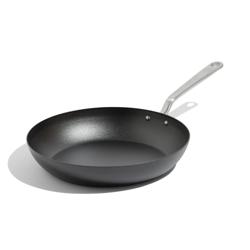
A 6.5" black cast iron skillet that is pre-seasoned and ready to cook right out of the box.
-
(31)
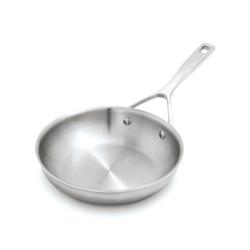
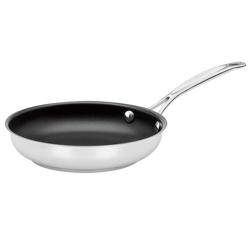
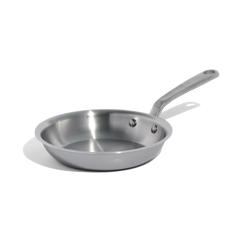
A 8" stainless steel skillet with a mirror finish, induction-ready, and featuring measurement markings and riveted handles.
-
(9)
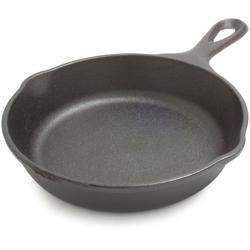
A 7" cast iron skillet from Lodge, pre-seasoned for easy release and even heat distribution.
-
(2)
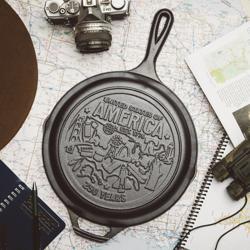
A commemorative black cast iron skillet featuring iconic American symbols and pre-seasoned for immediate use.
-
(2)
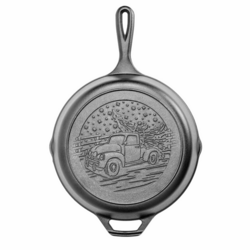
A festive black cast iron skillet with pre-seasoning and even heat distribution for versatile cooking.
-
(1)
A festive black cast iron skillet featuring a holiday gnome design, offering excellent heat retention and durability.
-
(57)
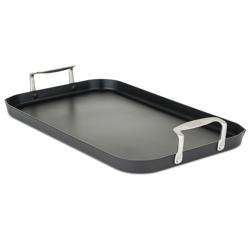
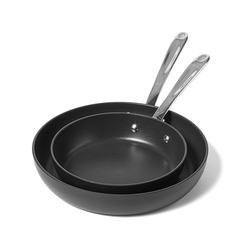
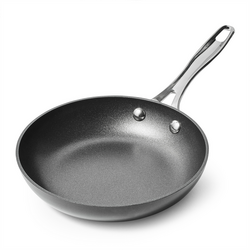
A durable, lightweight black nonstick skillet with a secure riveted handle for easy maneuvering.
-
A 5.5" cast iron skillet that conducts heat evenly, gains a natural patina, and is pre-seasoned.
-
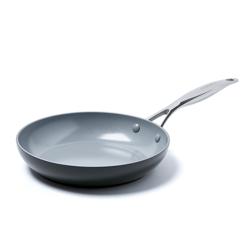
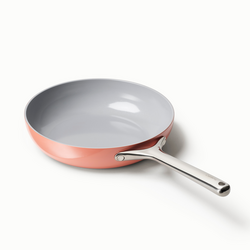
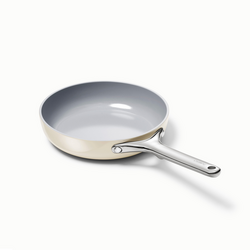
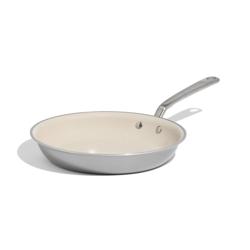
A silver stainless steel skillet with a PFAS-free ceramic nonstick interior and cool-touch handle.
Affordable Frying Pans
Affordable frying pans make it easy to cook your favorite meals without stretching your budget. Whether you’re flipping pancakes for breakfast or sautéing vegetables for dinner, these pans offer reliable performance at a price that fits your kitchen needs. Explore a range of sizes and styles designed to help you create delicious dishes every day. Find the right affordable frying pan to suit your cooking style and enjoy quality results meal after meal.





Best Of FAQ
Affordable frying pans are often made from materials like aluminum, stainless steel, or nonstick-coated metals. These materials offer good heat distribution and durability while keeping costs reasonable.
Many affordable frying pans are compatible with gas and electric stovetops. However, not all may work on induction cooktops, so it's important to check the manufacturer's specifications for compatibility.
To prolong the life of your frying pan, avoid using metal utensils on nonstick surfaces, hand wash when possible, and allow the pan to cool before cleaning. Proper care helps maintain performance and appearance.
Some affordable frying pans are oven-safe up to a certain temperature, depending on their construction and handle material. Always refer to the manufacturer's guidelines before placing any pan in the oven.
Affordable frying pans are versatile and ideal for everyday tasks such as sautéing vegetables, searing meats, making omelets, or preparing stir-fries. Their lightweight design makes them easy to handle for a variety of recipes.
-
"Great pan! Exactly the size I needed. And I'm so happy that it is manufactured in the U.S"
-
"Love it! Great for tortillas. I am ordering my second griddle now"
-
"Love, love, love this line!! Its beautiful. Heats evenly"
-
"Best omelet ever. Barely needs water to clean. Love the color"
-
"Absolutely the best pans ever! Love, love, love them. Even cooking with easy clean up"