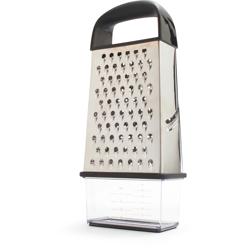
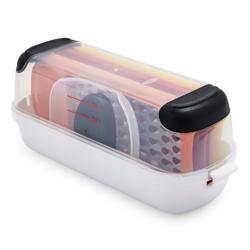
The best grater for your kitchen depends on what you prepare most often, how much food you typically grate and where you prefer to work. A versatile box grater is a practical choice for everyday cooking because its multiple sides can handle a range of tasks in one compact tool. Larger openings create fluffy shreds of cheddar, mozzarella, potatoes, zucchini and carrots, while medium teeth are useful for softer cheeses and vegetables. A fine side can turn a block of Parmesan into delicate snow for pasta or create breadcrumbs from toasted bread. Some box graters also include a slicing surface for making even cuts of firm produce. Look for a sturdy body that will not flex under pressure, sharp etched or stamped teeth that glide through food and a stable base or nonslip trim that keeps the grater anchored to the counter. A broad opening makes it easier to grate directly over a bowl, while a taller design can hold more food before it needs to be emptied. If cabinet space is limited, consider the overall shape and whether the grater can be stored inside a drawer, nested with other tools or hung from a utensil rack. For a dependable selection suited to everyday meals, explore
Graters For Home Cooks and compare the styles that best match your cooking habits.
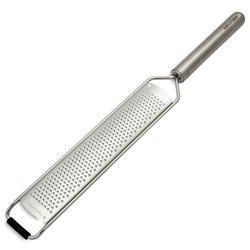
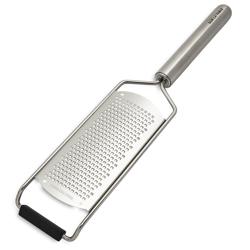
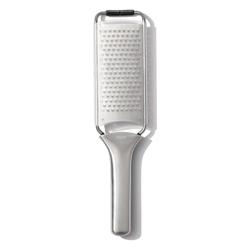
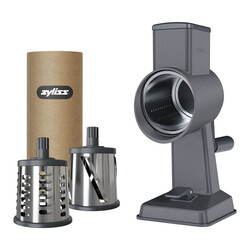
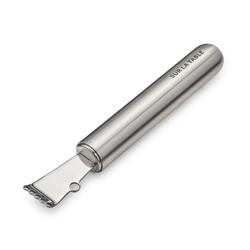
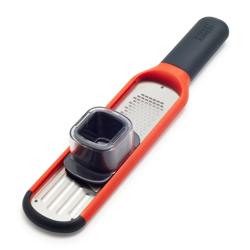
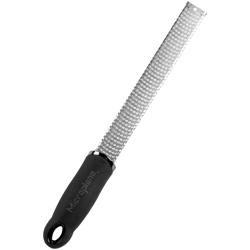
Handheld graters and rasp-style graters are especially useful when precision matters. Their narrow, efficient surfaces are well suited to zesting lemons, limes and oranges, finely grating hard cheeses, shaving fresh ginger or garlic and adding a light dusting of nutmeg or chocolate to a finished dish. A fine grater captures citrus zest without taking much of the bitter white pith beneath the peel, making it a valuable tool for cakes, vinaigrettes, marinades and pan sauces. A coarser handheld surface can create long strands of cheese or vegetables without requiring the counter space of a box grater. Choose a handle that feels comfortable and secure, particularly if you often grate firm ingredients that require steady pressure. The surface should be long enough to work efficiently and shaped to keep your knuckles away from the cutting area. A protective cover can help shield the teeth during storage, while a dishwasher-safe design may simplify cleanup—although sharp grating surfaces should be handled carefully when washing. Rotary graters offer another useful approach, especially for hard cheeses and chocolate. Food is placed inside a small chamber, then grated by turning a handle against a rotating drum. This design keeps fingers away from the cutting surface and allows you to grate directly over a bowl or plate. Rotary models can be a comfortable option for cooks who prefer a controlled motion or who want to serve freshly grated cheese at the table. Check that the drum can be removed for thorough cleaning and that the handle turns smoothly without requiring excessive force.
When comparing graters, think beyond the cutting surface and consider the ingredients, recipes and people who will use the tool most. Home cooks who make soups, slaws, potato pancakes or vegetable fritters may appreciate a box grater with several shred sizes, while bakers and cooks who regularly use citrus, spices or hard cheese may reach more often for a fine handheld grater. Anyone preparing meals for a family may value a larger surface and generous collection area, whereas someone cooking for one or two may prefer a slim tool that rinses quickly and takes up little room. Stainless steel surfaces are popular for their durability and resistance to staining, while a nonslip base, comfortable handle and angled design can make repetitive prep feel more controlled. Inspect the teeth before buying: they should look cleanly formed and evenly spaced rather than dull, bent or difficult to access with a brush. Storage also matters because grating surfaces are sharp; a cover, hanging loop or protected compartment can help keep the tool safely within reach. A good grater makes a thoughtful gift for a new homeowner, a college cook setting up a first kitchen or anyone who enjoys turning simple ingredients into more polished meals. During the warmer season, it can help add fresh zest to salads, vegetables and chilled dishes, while cooler months bring plenty of opportunities for shredding potatoes, carrots, root vegetables and cheese for comforting casseroles, gratins and baked pasta. Keep the grater dry after washing, use a steady downward motion and avoid forcing ingredients through the teeth. With the right style and a comfortable grip, this small kitchen essential can become one of the tools you reach for whenever a recipe needs texture, flavor or a fresh finishing touch.