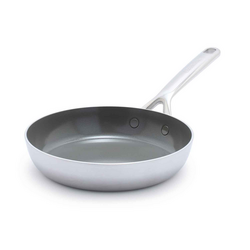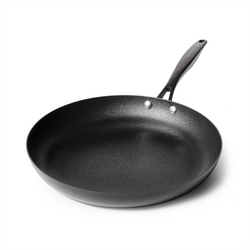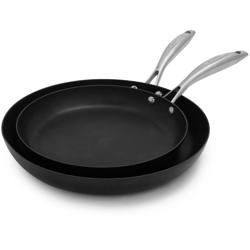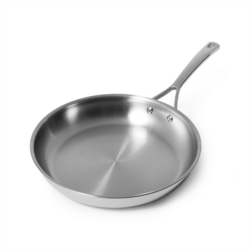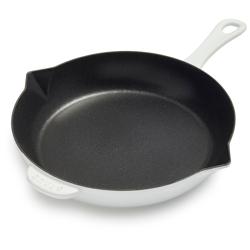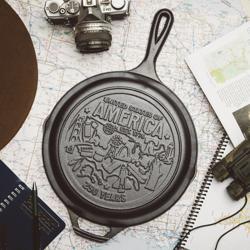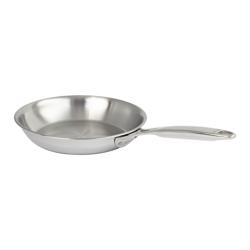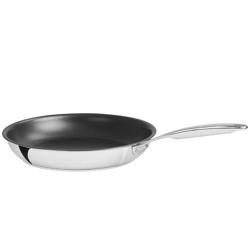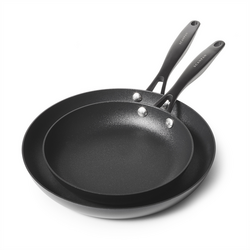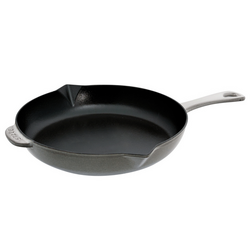
When it comes to equipping your kitchen for everyday cooking or special occasions, a quality skillet is an essential tool that no home chef should be without. Skillets are incredibly versatile, perfect for everything from searing steaks and sautéing vegetables to simmering sauces and crafting one-pan meals. Whether you’re a novice just learning the basics or an experienced cook looking to refine your culinary repertoire, choosing the right skillet can make all the difference in your cooking results. Important considerations include material—such as stainless steel, nonstick, or cast iron—as each offers unique benefits for heat retention, ease of cleaning, and compatibility with different stovetops.
Selecting the best skillet also means thinking about size and weight, which can impact both performance and comfort during use. A larger skillet is ideal for families or entertaining guests, while a more compact option suits smaller households or kitchens with limited storage. Handles that stay cool, oven-safe construction, and easy-pour edges are features that add convenience and safety to your cooking experience. For those who love to experiment with new recipes or enjoy classic comfort foods, investing in a reliable skillet opens up endless possibilities—from golden pancakes at breakfast to perfectly caramelized onions for dinner.
Skillets also make thoughtful gifts for weddings, housewarmings, graduations, or anyone setting up a new kitchen. They’re practical yet personal presents that encourage creativity in the kitchen and can last for years when properly cared for. Whether you’re shopping for yourself or someone special, browsing our curated selection of top-rated skillets ensures you’ll find the perfect match for any cooking style or skill level. With the right skillet in hand, every meal becomes an opportunity to savor delicious results and create lasting memories around the table.
Best Skillets of 2026
According To Customer Reviews
When it comes to cooking, having the right skillet can make all the difference. Whether you're searing a steak, sautéing vegetables, or whipping up a delicious breakfast, a high-quality skillet is an essential tool in any kitchen. Our collection of top-rated skillets has been carefully curated based on user reviews, ensuring that you have access to the best options available. With a variety of materials, sizes, and features to choose from, you're sure to find the perfect skillet to meet your cooking needs.
What to Look for in the Best Skillets?
Choosing the right skillet can transform your cooking experience, so consider these factors before making a purchase.
Frequently Asked Questions
What is a skillet used for?
A skillet is a versatile pan ideal for searing, sautéing, frying, browning and even baking. It’s perfect for preparing everything from scrambled eggs to steak and one-pan meals.
What materials are skillets made from?
Skillets are commonly made from stainless steel, cast iron, nonstick-coated aluminum and carbon steel. Each material offers unique benefits for different cooking styles and preferences.
Are skillets oven safe?
Many skillets are oven safe, especially those made from stainless steel, cast iron or carbon steel. Always check the manufacturer’s recommendations for oven use and maximum temperature.
How do I clean a skillet?
Most skillets can be cleaned with warm, soapy water and a soft sponge. Some materials, like cast iron, require hand-washing and seasoning to maintain their nonstick surface and prevent rust.
What is the difference between a skillet and a frying pan?
The terms skillet and frying pan are often used interchangeably. Both refer to a flat-bottomed pan with sloped sides, designed for quick, even cooking on the stovetop.