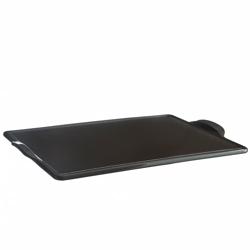
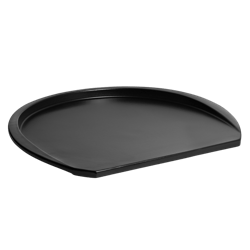
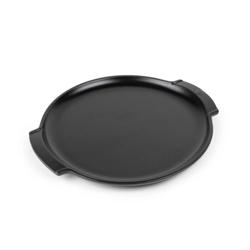
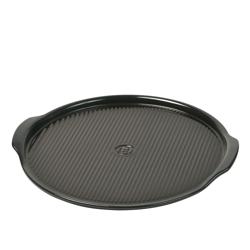
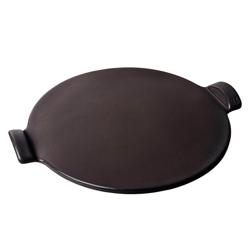
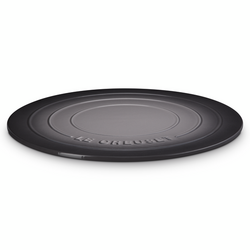
Black pizza stones are dark-colored baking surfaces, typically made from ceramic or cordierite, that hold heat and transfer it to pizza dough to help create a crisp, browned crust. The black appearance may come from the material, a glaze or a finish designed for cooking; color alone does not determine performance. Material, thickness, surface treatment and proper preheating matter more. For home cooks who enjoy stretching dough, layering toppings and sliding a pizza into the oven, a stone provides a substantial baking surface that stays hot as the dough begins to cook. That steady contact helps set the base before sauce and toppings have a chance to leave it soft. Porous, unglazed stones can also absorb some surface moisture, while glazed ceramic offers a less absorbent cooking surface with different cleaning requirements. Cordierite is valued for its ability to tolerate temperature changes, though it still needs protection from sudden heating or cooling. Ceramic stones vary in composition and finish, so their handling instructions deserve a close look. A carbon-steel baking surface is a related option rather than a true stone: steel transfers heat faster and requires its own approach to care. Within the stone category, a thicker piece generally takes longer to preheat and has more mass to store heat, while a thinner design may be easier to lift and store. Neither thickness nor a dark finish guarantees a particular result without enough preheating time. The appeal is practical: a lightly blistered underside, a rim with some chew and a slice that holds its shape when lifted. A stone can support thin, crisp pizzas or more substantial hand-stretched rounds, depending on the dough and baking conditions. It also gives bread bakers a useful surface for flatbreads and certain free-form loaves, making it a worthwhile tool for cooks whose baking extends beyond pizza night.
Choosing a black pizza stone starts with the space where it will be used. Measure the usable oven rack area rather than relying on the oven’s outside dimensions, and allow the clearance specified by the stone’s manufacturer so heat can circulate. Handles, raised edges and other design details can affect fit even when the main cooking surface appears small enough. A
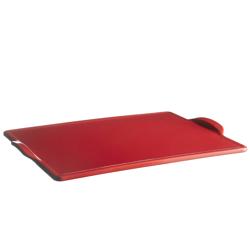
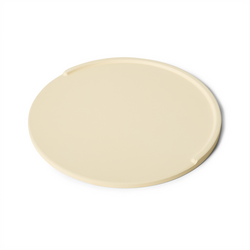
round pizza stone is a natural match for traditionally shaped pizzas, while a rectangular surface offers room for oblong dough, flatbreads or smaller bakes arranged side by side. Think about the pizza peel, too: the dough needs to fit comfortably on both the peel and the stone, with enough room to slide it into place without catching an edge. A broad surface can be forgiving when a hand-stretched pizza lands slightly off-center. Weight is another everyday consideration, especially if the stone will move between a cabinet and the oven for each use. Handles can make a cooled stone easier to lift, but they do not replace dry oven mitts when the surface is hot. For grilling or a dedicated pizza oven, choose only a stone explicitly approved for that equipment and its operating conditions; suitability for a household oven does not automatically mean suitability for direct flame or a grill. A black finish can look at home alongside dark cookware and oven interiors, but its usefulness comes from how well the shape and material suit the cook’s routine. Someone making individual pizzas for a small household may value manageable size, while a cook who regularly feeds a table of friends may prefer a larger baking area. For a housewarming or wedding gift, a pizza stone makes the most sense when the recipient enjoys hands-on cooking and has room to use and store it. Paired with a peel in a compatible size, it supports a familiar meal with plenty of room for personal preferences, from a simple tomato-and-mozzarella pizza to a vegetable-topped flatbread.
Care requirements are especially important because not all black pizza stones should be treated alike. Unglazed ceramic and cordierite are porous, so soaking, dishwashing and detergent can cause problems unless the manufacturer specifically allows them. These stones generally need to cool completely before loose flour, crumbs and baked-on food are removed with an appropriate scraper or brush. A lightly damp cloth may be suitable for remaining residue, followed by thorough drying before the next use. Glazed ceramic can be easier to wipe clean, and some designs permit washing with soap or cleaning in the dishwasher, but those features should be confirmed rather than assumed. A black surface does not make a stone dishwasher safe. It also does not mean the stone needs oiling: porous pizza stones generally should not be seasoned like cast iron, since added oil can soak in and smoke during baking. Brown or black marks that develop with use are often normal cooking stains, not a reason to discard an otherwise sound stone. Those marks are different from raised deposits of burned cheese or toppings, which should be removed using the recommended cleaning method. A smooth, stained surface can remain useful even when it no longer looks new. Durability depends as much on handling as on material. Avoid placing a hot stone on a wet or cold surface, adding cold water while it is hot or subjecting it to other abrupt temperature changes. Follow the specified preheating method, and let the stone cool before moving it for cleaning or storage. Transferring finished pizza to a cutting board protects both the baking surface and the knife edge unless the manufacturer expressly permits cutting on the stone. In regular use, a modest amount of flour for launching and restrained toppings help limit burned residue and excess moisture. With care suited to its finish, a black pizza stone can become a dependable part of homemade pizza, bread baking and the meals that bring people around the table.