-
(238)
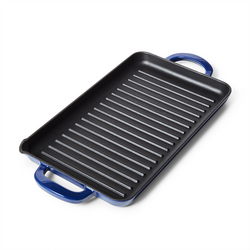
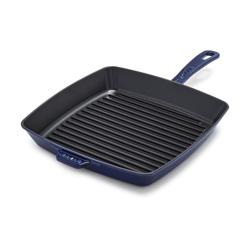
A blue cast iron grill with wide handles and deep ribs for even browning and easy stovetop use.
Pros: easy to clean, quality, versatility
-
(3)
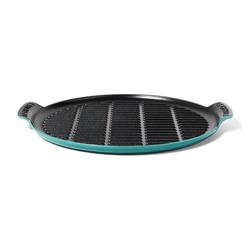
A blue cast iron grill pan with high ridges for healthier cooking and signature grill marks.
Pros: performance, even heat distribution, versatility
-
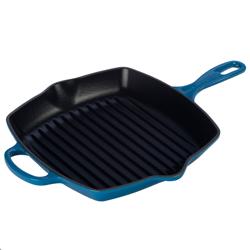
An enameled cast iron grill pan in midnight blue with raised ridges for perfect indoor grilling.
-
(648)
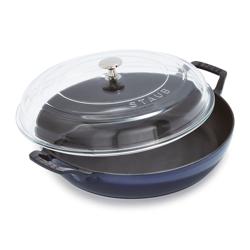
A blue cast iron pan with a domed glass lid that is versatile and easy to clean.
Pros: versatility, durable, glass lid
-
(124)
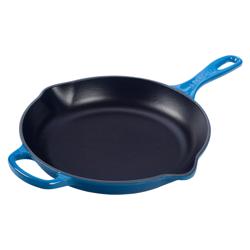
A blue 10.25" cast-iron skillet with sloped sides for dripless pouring and a durable enamel construction.
Pros: complements iron skillet, great quality, wonderful skillet
-
(86)
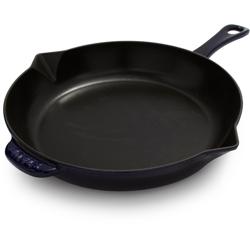
A blue 12" skillet made of durable cast iron with a enamel finish for easy care and exceptional heat transfer.
Pros: versatility, easy to clean, size
Blue Grill Pan
Grilling is one of the most popular cooking methods, and a blue grill pan is a must-have for almost any grill master. If you are looking for a way to add some style and color to your grilling experience, a blue grill pan is the perfect choice. Not only is it attractive, but it also provides a great way to cook your favorite foods. Here are some great options.
Blue Grill Pan
FAQ List
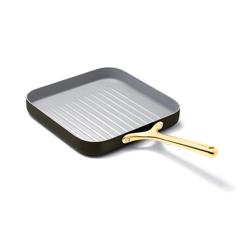
A blue grill pan is a type of cookware designed for indoor grilling. It has a non-stick surface and is perfect for searing steaks, grilling chicken, and cooking vegetables.
The benefits of using a blue grill pan include the convenience of indoor grilling, the ability to cook a variety of foods, and easy clean-up due to the non-stick surface.
The size of the blue grill pan you choose will depend on the size of your stovetop and the number of people you will be cooking for. A larger pan is perfect for families or for entertaining guests, while a smaller pan is great for single servings or for those with limited space.
Not all blue grill pans are compatible with induction cooktops. Be sure to check the manufacturer's instructions before using your grill pan on an induction cooktop.
To clean your blue grill pan, let it cool down first. Then, use a non-abrasive sponge or cloth and warm, soapy water to clean the surface. Avoid using harsh chemicals or metal utensils that can scratch the non-stick surface.
-
"We love this pan"
-
"Love it. Weighty, but to be expected for cast iron"
-
"Love it! Easy to clean and makes the best food. Thank you"
-
"Great quality. Haven't tried this item yet"
-
"This is a great pan. Perfect for searing and love the way it creates the perfect quadrillage"