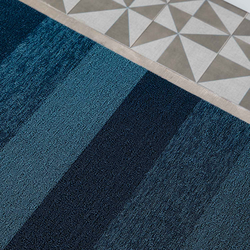
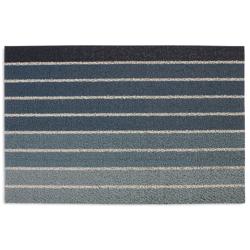
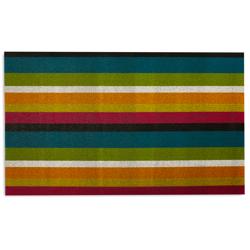
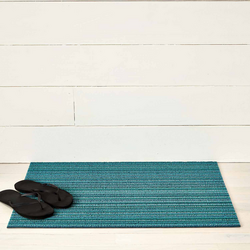
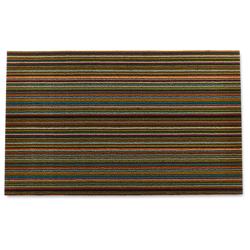
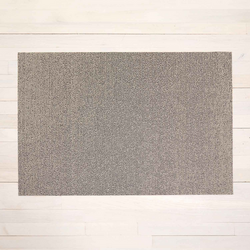
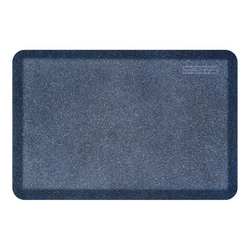
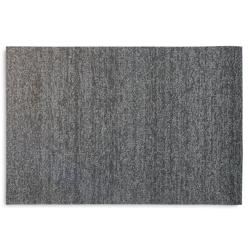
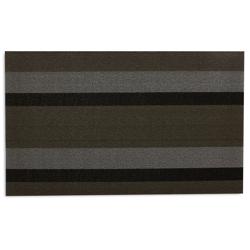
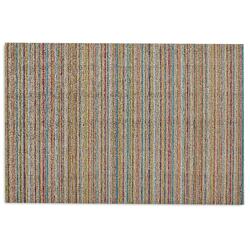
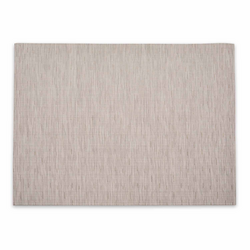
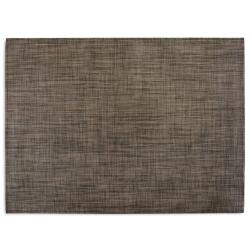
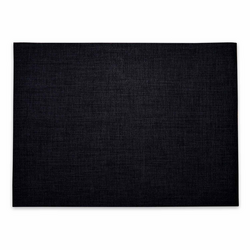
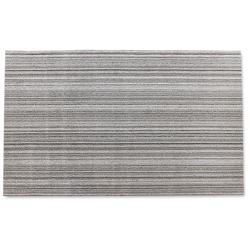
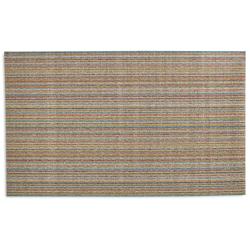
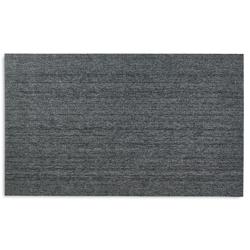
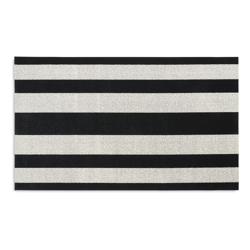
Blue mildew-resistant rugs are floor coverings designed to resist mildew growth, often made with materials that absorb little moisture, such as polypropylene. They bring color and comfort to practical spaces, with performance that depends on the fibers, backing and overall construction. Mildew resistance does not mean a rug is waterproof or can stay damp indefinitely; regular cleaning and thorough drying still matter. In a kitchen, dining area or entryway, that balance of easy care and thoughtful design can make a blue rug a useful finishing touch. A deep navy grounds pale cabinetry and light wood furniture, while denim blue feels relaxed alongside woven baskets, white dishes and natural wood. Softer blues can add definition without becoming the strongest color in a room. Pattern changes the effect, too: narrow stripes give a galley kitchen a sense of direction, small repeating motifs bring texture to a simple space and larger patterns work well where enough of the rug remains visible. Multitone designs may make everyday crumbs and minor marks less noticeable, though they need the same cleaning as solid colors. Material and weave deserve as much attention as shade. Polypropylene fibers generally absorb very little water, while polyester can offer softness and color clarity; neither material alone guarantees that the finished rug is mildew resistant. The backing and any applied treatments can affect care requirements and where a rug belongs. Look for mildew resistance in the stated specifications rather than assuming every synthetic rug has that property. Flatwoven and low-pile constructions are often practical around food preparation and dining because there is less depth for crumbs to settle into. A more textured surface may feel inviting underfoot, but its weave should still suit the amount of cleaning and foot traffic the space receives. The right choice brings together the blue you enjoy, a comfortable feel and construction suited to everyday use.
Fit helps determine whether a rug feels like part of the room or an obstacle to work around. Beside a sink, a small accent rug can soften the spot where you rinse vegetables or wash dishes, provided it lies flat and stays securely in place. In a longer kitchen, a runner can connect the sink, prep counter and cooking area visually without covering the entire floor. Leave clearance around cabinet doors, appliances and transitions so the rug does not interfere with movement. A low profile is especially helpful beneath a door that swings close to the floor. Check the total thickness, including any pad, rather than judging the rug alone. Under a dining table, allow enough room for chairs to remain on the rug when pulled out for seating; about 24 to 30 inches beyond the tabletop on each side is a useful starting point, with more space sometimes needed for larger chairs. Measuring with the chairs in use gives a better sense of fit than measuring the table by itself. For an open kitchen and dining space, a blue rug can define the eating area while repeating a color found in linens, dishes or nearby upholstery. In a compact breakfast nook, a simple border or quieter pattern can keep the arrangement from feeling crowded. Intended use matters just as much as dimensions. A rug labeled for indoor use should not be treated as suitable for a patio simply because it resists mildew, and outdoor suitability does not automatically mean it is appropriate for every indoor floor. Backing, edge construction and cleaning instructions all play a part in long-term performance. Secure edges and a compatible nonslip pad help reduce shifting, especially in homes with children, pets or frequent guests. Any pad or rubberized backing should be approved for the flooring beneath it, since some materials can discolor certain finishes. Mildew resistance, stain resistance and slip resistance are separate qualities, so consider each one for the place the rug will be used.
Care is where a mildew-resistant rug earns its place in a busy home. Crumbs, tracked-in dirt and food residue can collect on even low-absorbency fibers, giving mildew something to grow on if moisture remains. Vacuuming or shaking out the rug as directed helps remove that buildup before it settles into the weave. Blot spills promptly, working from the outside of the spot inward, and follow the manufacturer’s directions for any cleaning solution. Mild soap may be suitable for some constructions, but machine washing, bleach and hose cleaning should never be assumed safe. A washable rug may also have limits on machine size, cycle settings or drying methods. After cleaning, the rug, backing, pad and floor should all be completely dry before everything goes back into place. If water reaches beneath a kitchen runner, lifting it to dry the floor is more effective than waiting for the top surface to feel dry. Avoid placing a damp rug back against a cabinet base or over another textile, where moisture can linger unnoticed. These habits help preserve the rug’s appearance as well as support its mildew-resistant properties. For households that cook often, entertain around the table or share space with pets, a manageable size and straightforward care routine may matter more than a heavily textured finish. Blue also makes a versatile choice for a housewarming gift when the recipient’s room dimensions, preferred colors and floor type are known. A well-chosen rug can give someone a softer place to stand at the sink or help a dining corner feel more settled without requiring a full room refresh. Explore
Mildew Resistant Area Rugs with those same considerations in mind: suitable materials, a secure fit and care requirements that work with daily life. The most useful rug is one that looks at home in the room and is easy to keep clean, dry and ready for everyday activity.