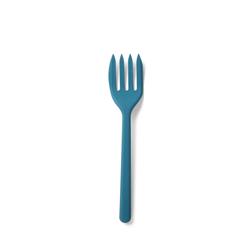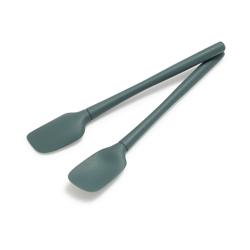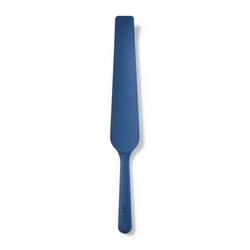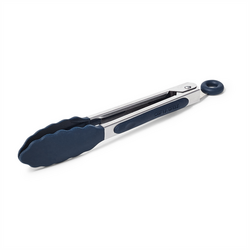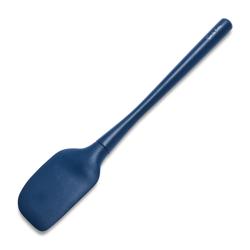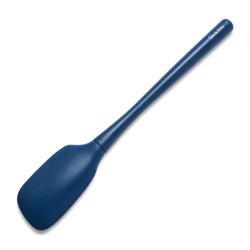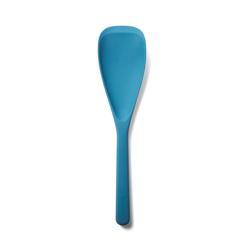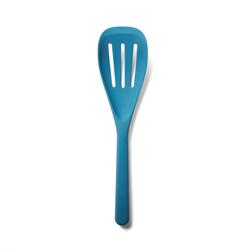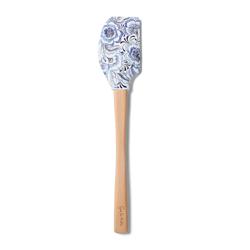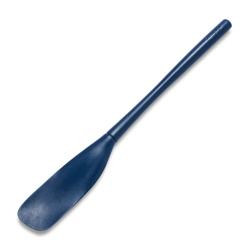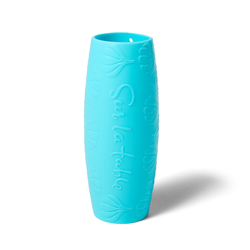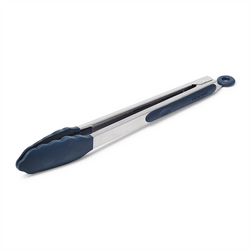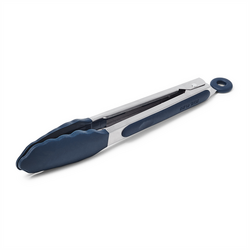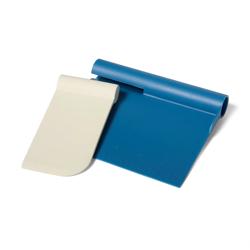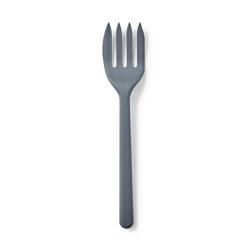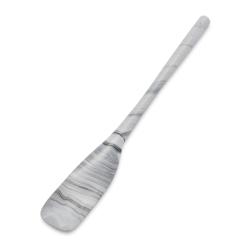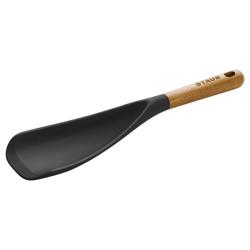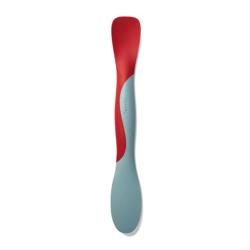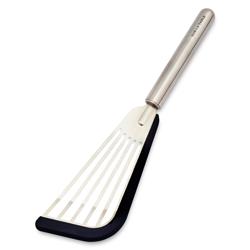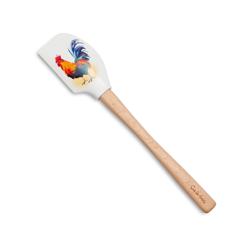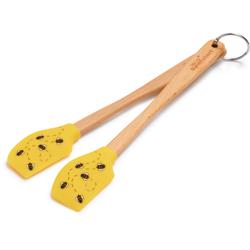
Blue silicone utensils are kitchen tools with flexible silicone heads or coatings designed for mixing, stirring, scraping and serving while being gentle on cookware surfaces. Their soft edges make them a useful choice for nonstick pans, ceramic-coated cookware and mixing bowls, where a metal edge can leave scratches. Blue adds a decorative element without changing how the tools perform: a pale shade can soften the look of a countertop utensil crock, while a deeper blue provides contrast beside stainless steel appliances or white dinnerware. Beyond color, the right utensil depends on the task. A flexible spatula follows the curve of a bowl to gather cake batter, fold whipped cream into a filling or scrape the last spoonful of yogurt from a container. A broader turner supports pancakes or tender fish, while a spoon-shaped head helps with stirring sauces and transferring food to a plate. For anyone who cooks frequently, those differences matter more than having a large collection of similar tools. A baker may reach for a narrow scraper several times during a recipe, while someone preparing everyday dinners may get more use from a sturdy stirring spoon and a turner with a thin leading edge. Silicone also offers a quieter touch against bowls and pans than metal, which can make repetitive stirring and scraping more pleasant. Flexible does not mean suitable for every job, however. A very soft head can bend under dense dough or struggle to lift a heavy portion of food, and silicone generally will not scrape up firmly stuck browned bits as effectively as a rigid edge. Matching the shape and firmness to the food gives these utensils their everyday value. For a small kitchen, a few well-chosen shapes can cover breakfast, baking and dinner prep without crowding the drawer, and a consistent blue palette helps those frequently used tools look at home when left within reach.
Construction determines how blue silicone kitchen utensils feel in the hand and how well they handle different ingredients. Many designs combine a flexible exterior with a firmer internal core, giving the head enough support to stir thick oatmeal or work softened butter into a mixture without folding over. The balance between support and flexibility is worth considering: the edge should yield enough to reach into a bowl’s corners, while the center should feel steady under the pressure your usual recipes require. Head size matters just as much. A wide spatula makes quick work of a large mixing bowl but may not fit inside a narrow jar, and a deep spoon that works well in a stockpot can feel oversized in a small saucepan. Handle length affects reach and storage, too. A longer handle puts more distance between your hand and the food, while a shorter one can offer closer control for spreading frosting or scraping a small prep bowl. Look for a grip that feels comfortable when held in different positions, especially if you often stir thicker mixtures. Handles may be covered in silicone or made from materials such as wood or stainless steel, each with a different feel and care routine. Seamless, one-piece construction reduces the number of joints where food can collect; designs with separate heads require closer attention around the connection. For food-contact surfaces, look for silicone identified as food-grade and follow the manufacturer’s intended-use guidance. Heat resistance varies by construction, so check the stated maximum rather than assuming every silicone utensil has the same limit. A heat-resistant head does not make a tool suitable for direct flame, contact with a heating element or prolonged resting against a hot pan rim. Silicone is helpful for cooking and baking, but treating it as heatproof can shorten its useful life. Likewise, a soft coating is gentler on cookware only while it remains intact, with no exposed core or rough damage that could contact the pan.
Care for blue silicone utensils starts with the instructions for the whole tool, not just its silicone portion. Many silicone utensils are dishwasher safe, but wooden handles, adhesives or other components may call for hand-washing. Warm water, dish soap and a soft sponge are a practical approach when hand-washing is recommended. Give the underside of spoon heads, narrow edges and handle joints particular attention, since these spots can hold traces of sauce or batter. If a head is designed to detach for cleaning, separate it as directed and let both parts dry thoroughly before reassembling. Avoid pulling apart pieces that are not intended to come apart. Silicone can sometimes retain food odors or develop discoloration after contact with strongly colored ingredients, so prompt cleaning after stirring tomato sauce or a turmeric-rich mixture can help maintain its appearance. Color change alone does not necessarily mean a utensil is worn out, but tears, cracks, a loose head or an exposed interior support are reasons to replace it. Keep sharp knife edges away from silicone surfaces and avoid forcing a flexible scraper beneath food that needs more leverage than the tool can provide. For storage, a crock keeps everyday shapes easy to grab, while a drawer works well when tools have enough room to lie without being tightly bent or pinched. Blue can serve as the common thread across different shapes and handle materials, although shades may vary between collections. If a kitchen palette includes more than one color,
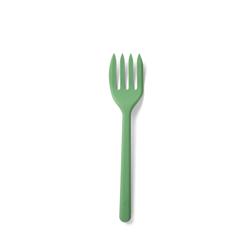
green silicone kitchen utensils offer another way to coordinate practical tools with towels, bowls or other countertop accents. These utensils also make thoughtful gifts for someone setting up a first kitchen, a home baker refreshing frequently used tools or a cook who prefers nonstick cookware. Choosing around the recipient’s habits keeps the gift useful: flexible bowl scrapers suit frequent baking, while supportive stirring and turning shapes fit everyday meal preparation. Comfortable handling, appropriate construction and straightforward care are what make a favorite color worth reaching for day after day.