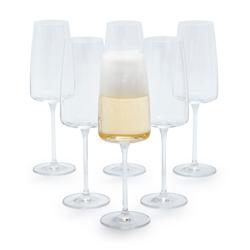
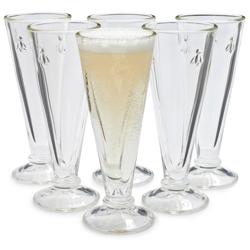
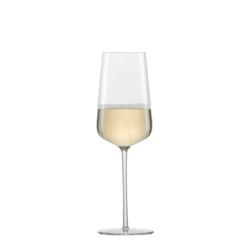
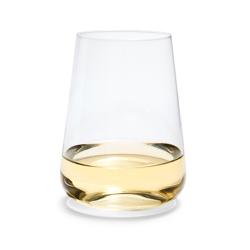
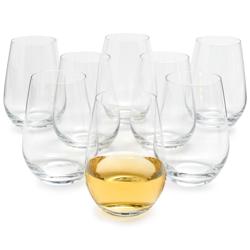
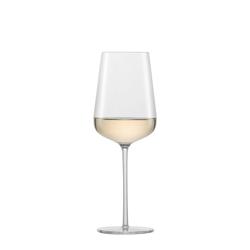
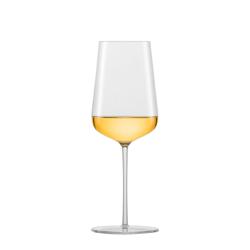
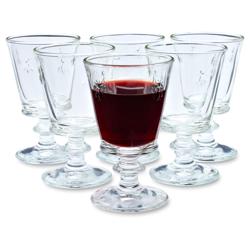
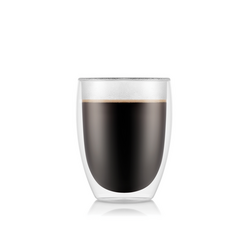
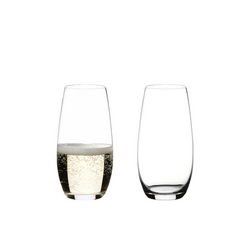
Bridal shower flutes are narrow champagne glasses used for celebratory toasts and sparkling drinks at a gathering honoring the bride-to-be. They can be part of the table setting, a keepsake gift for the couple or a useful party favor for guests. Their tall bowls show off rising bubbles, while the relatively small opening helps limit the surface area exposed to air. That makes them a natural choice for champagne, prosecco, sparkling rosé and alcohol-free sparkling drinks. At a brunch shower, a row of flutes beside a pitcher of orange juice creates an inviting place to serve mimosas; at a seated gathering, a glass at each place setting keeps everyone ready for the toast. The shape matters beyond appearance. A straight-sided flute has a clean, familiar profile, while a gently curved bowl offers a little more room for the drink’s aromas to gather. A slightly wider opening can also be more comfortable to sip from, especially for guests who prefer a less narrow rim. Stemmed flutes bring a traditional look to the table and give guests somewhere to hold the glass without touching the bowl. Stemless flutes have a lower profile and a more relaxed feel, though their bowls sit directly in the hand. Either style can work beautifully with linen napkins, simple flowers and a platter of small bites. The best fit depends on how the celebration will unfold: a long stem can feel graceful at a seated meal, while a lower glass may suit a casual gathering where guests move between conversation and the buffet. Base width deserves attention, too, particularly on a table crowded with serving dishes. A flute should have enough room to sit flat without resting on a napkin edge or overlapping another place setting. Leaving space around each glass makes the table easier to use and lets the drinkware contribute to the occasion without competing with everything else.
Material, construction and care help determine whether bridal shower champagne flutes become everyday favorites or glasses saved for special occasions. Glass is a familiar choice for entertaining, with styles ranging from sturdy, substantial shapes to more delicate profiles. Crystal is valued for its clarity and the way it catches light, though the term alone does not establish how durable a glass will be. Lead-free crystal can be an appealing option for those who want that bright appearance without lead in the material. Rim thickness, bowl shape and the connection between the stem and bowl all affect how a flute feels in use. A fine rim can make sipping feel especially comfortable, while a heavier base may give the glass a reassuring balance. Neither weight nor delicacy should be treated as a shortcut for quality; a comfortable glass that suits the household’s habits is often the better choice. Smooth surfaces are generally straightforward to clean, while textured or decorated areas may require more attention to remove fingerprints and residue. Care instructions are especially important for painted details, metallic accents or other finishes, which may need gentler handling. Some flutes are dishwasher safe and others require hand-washing, so the manufacturer’s guidance should take priority over assumptions about the material. For hand-washing, mild dish soap, a soft sponge and careful rinsing help keep the glass clear. Holding the bowl while cleaning it avoids putting unnecessary pressure on a slender stem, and drying without twisting the bowl against the base helps protect that connection. Dishwasher-safe glasses still need enough space to avoid touching neighboring pieces, with stems positioned securely rather than forced between rack tines. Before a celebration, checking each rim for chips is a small but worthwhile part of setting the table. Afterward, clean, fully dry flutes are best stored where their rims and stems will not knock against other dishes. These practical details matter for glasses intended to return to the table for engagement celebrations, wedding toasts, anniversaries and dinners with friends.
As a bridal shower gift, flutes offer a useful connection between the celebration and the couple’s life together. A pair can make a quiet toast at home feel special, while a larger set suits recipients who enjoy having friends over for appetizers or a shared meal. The right choice reflects how the recipients actually entertain, not just how the glasses look wrapped in a gift box. A couple with limited cabinet space may appreciate a shape that fits comfortably on an existing shelf; frequent hosts may value glasses that are easy to care for and comfortable for different guests to hold. Overall height is worth checking against storage space, and bowl capacity should suit the intended drinks. A generous bowl does not need to be filled to the rim: leaving room at the top makes carrying and sipping easier. Clear flutes are especially adaptable because they work with changing table linens, dinnerware and flowers. Decorative details can add personality, but a design that feels at home with the recipient’s existing pieces is more likely to see regular use. When flutes are intended as shower favors, their usefulness beyond the party gives the gesture lasting meaning. Guests can remember the gathering each time they bring the glass out for a small celebration of their own. For the host, planning enough glasses for the guest list, plus a few extras for an unexpected guest or an accidental spill, helps the toast feel unhurried. Flutes can be considered alongside
Bridal Shower Glassware when the gathering also calls for water glasses or other drinkware. Keeping water within easy reach and offering a nonalcoholic sparkling option allows everyone to take part comfortably. Whether the glasses are chosen for the bride-to-be, the couple or the whole guest list, their lasting value comes from a balance of appearance and everyday practicality: a comfortable rim, a steady base, manageable care and a place at the table long after the shower.