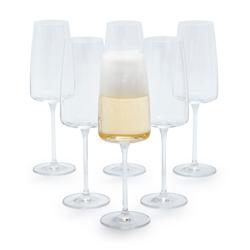
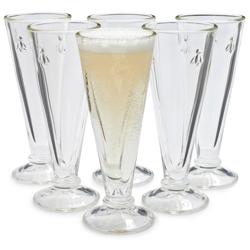
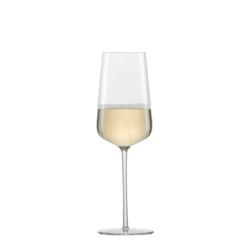
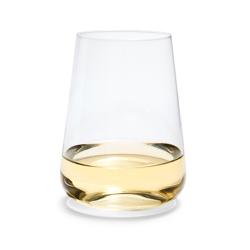
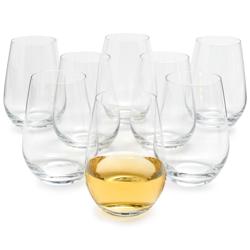
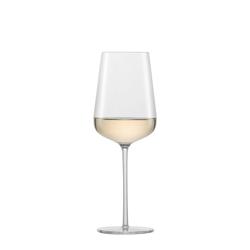
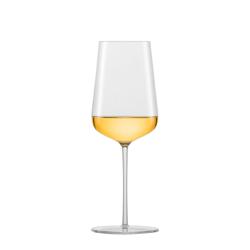
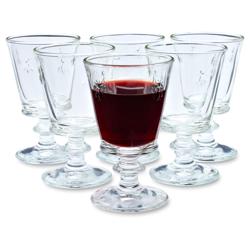
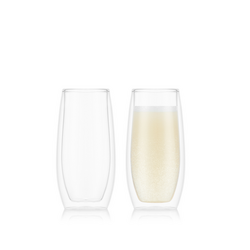
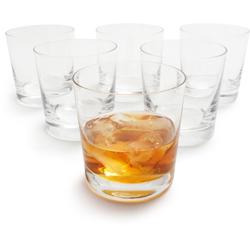
Wedding registry flutes are glasses designed for serving champagne, sparkling wine and celebratory drinks, making them a thoughtful addition to a couple’s glassware collection. Their tall, narrow bowls help limit the wine’s exposure to air and preserve its bubbles, while the silhouette brings a sense of occasion to the table. For couples building a home together, champagne flutes can serve both as wedding-day toasting glasses and as glassware for anniversaries, dinner parties and quiet celebrations over takeout. A pair keeps the focus on shared moments; a larger coordinated collection makes room for friends and family. The most useful choice reflects how the couple likes to entertain, whether that means two glasses on a small dining table or sparkling wine poured for a roomful of guests. Clear, unadorned flutes sit comfortably beside many dinnerware patterns and let the color of the drink show through, from pale gold sparkling wine to blush rosé. Decorative details create a more distinctive place setting, though a design that works with the couple’s everyday dishes may see more use than one reserved for formal occasions. A slender profile looks graceful beside a dinner plate without taking much table space, and a slightly fuller bowl can offer more room for aromas to develop. Traditional flutes emphasize the stream of bubbles; tulip-shaped glasses combine a narrow opening with a wider middle. Neither shape needs an elaborate setting to feel at home. A few flutes beside a bowl of strawberries or a tray of small bites can make an ordinary gathering feel considered. For a registry, the appeal is that balance of celebration and usefulness: glassware connected to a meaningful day, yet practical enough to become part of the couple’s life together. Guests choosing a wedding gift can appreciate that same balance, especially when the glasses suit the recipients’ tastes rather than a single event.
Material and construction influence how wedding registry champagne flutes look, feel and hold up to regular use. Glass and lead-free crystal are common choices, with differences in clarity, weight, rim thickness and care requirements depending on how each glass is made. Crystal formulations can allow for particularly fine rims and brilliant clarity, but the material name alone does not establish durability or dishwasher compatibility. A thin rim can feel delicate against the lip, while a more substantial glass may feel reassuring in the hand. Both can be enjoyable to use; the important distinction is how well the design fits the household. Long stems give guests a place to hold the glass without wrapping their hands around the bowl, helping reduce fingerprints and heat transfer to the drink. Stemless designs offer a different feel and remove the vulnerable stem, though holding the bowl can warm its contents. A stable base matters when glasses are set on a crowded dining table, passed during a toast or carried on a tray. Balance matters just as much: a glass should feel comfortable to lift when it contains a drink, not only when it is empty. Capacity also deserves attention because the listed volume generally describes a fuller glass than a typical serving. Leaving space above the wine gives bubbles room to rise and makes the glass easier to carry without spilling. For couples who enjoy sparkling wine with food, a roomier bowl may be appealing; for a brief toast, a classic narrow flute may be the familiar choice. Dimensions affect everyday convenience, too. Tall stems need adequate cabinet clearance, and broad bases take up more shelf space than their narrow bowls might suggest. Glasses that fit comfortably in the couple’s cabinets and, when permitted, their dishwasher are easier to reach for regularly. These practical details help turn a wedding gift into glassware that earns its place at the table rather than staying tucked away.
Wedding registry flutes also work best as part of a collection that reflects the drinks a couple actually serves. Champagne, prosecco and other sparkling wines are natural matches, but flutes can also hold sparkling cider, nonalcoholic sparkling wine and simple celebratory cocktails. The narrow opening is less suited to large ice cubes or generous garnishes, so these glasses complement rather than replace broader drinking glasses. Coordinating flutes with
Wedding Registry Barware helps create a cohesive setup for everything from a welcome drink to an after-dinner toast. Matching every detail is not necessary. Similar rim profiles, clear finishes or complementary proportions can tie a collection together while leaving room for different shapes. Couples who host often may value enough flutes to serve their usual group, while those with limited storage may prefer a smaller collection that is easy to maintain. Care is an important part of that decision. Some glass and crystal flutes are dishwasher safe, while others require hand-washing, so the manufacturer’s instructions should determine the cleaning method. Dishwasher-safe glasses still need enough space to avoid contact with neighboring pieces, and tall stems should sit securely without interfering with moving parts. When hand-washing, mild detergent, gentle handling and thorough rinsing help keep glasses ready for their next use. Supporting the bowl rather than twisting it against the base reduces strain on the stem during washing and drying. A soft, lint-free cloth helps remove water spots without leaving fibers behind. Flutes should be stored without stacking or crowding, with room to lift each glass out without knocking a rim against the shelf above. Even well-made glassware can chip or break through impact, so a comfortable storage arrangement is part of long-term care. For gift recipients, these small everyday considerations matter as much as the first impression. The right flutes feel fitting at the wedding toast, then just as welcome when dinner is ready, friends arrive or an anniversary calls for opening a favorite bottle.