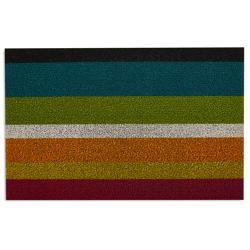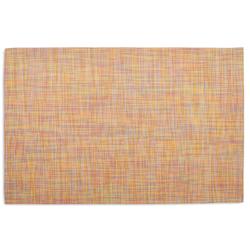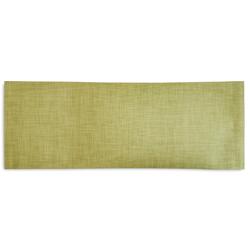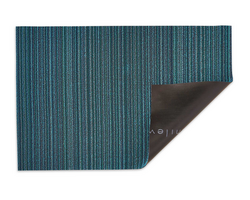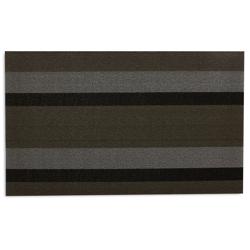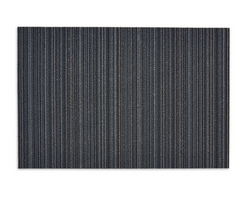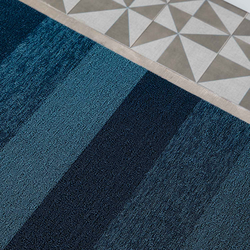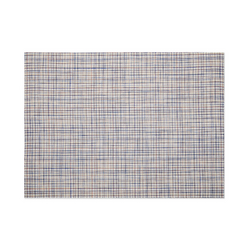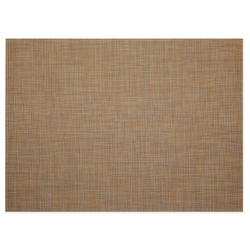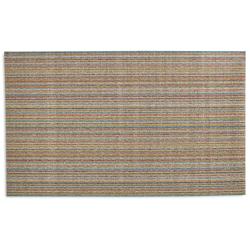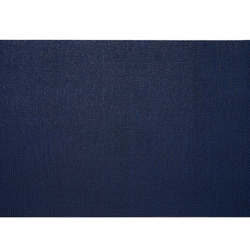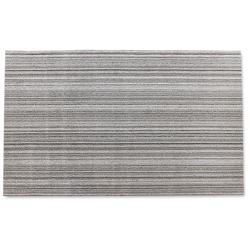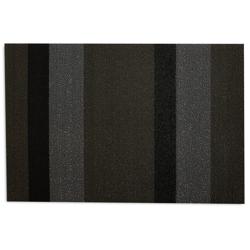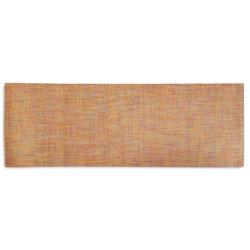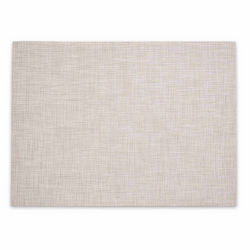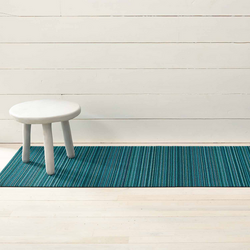
Bright colored rugs bring color, pattern and a sense of definition to kitchens, dining rooms, entryways and other everyday spaces. A vivid rug can give neutral cabinets a lively contrast, connect mismatched furniture or make an open floor plan feel more settled. The effect depends as much on the pattern as the palette: broad stripes create a clear visual rhythm, small repeating motifs add detail and abstract designs introduce movement without requiring everything else in the room to match. Shades of coral, cobalt, yellow and green can work as a single accent or share the floor in a multicolor design. In a kitchen with white cabinetry and wood shelving, a colorful runner adds interest along an otherwise quiet stretch of floor. Beneath a dining table, a patterned rug helps define the gathering space and gives chairs, linens and dinnerware a common color to echo. A bright rug does not need an equally bright room around it. Natural wood, simple upholstery and solid-colored towels give stronger hues room to stand out. For a coordinated look, repeating one rug color in a small detail, such as a cloth napkin or countertop bowl, often feels more relaxed than matching every accessory. Patterns with an open background can feel airy, while densely arranged motifs create a more layered appearance. The amount of contrast matters, too. Saturated colors against ivory read differently from the same shades against navy or charcoal. For a palette built around a single color family, explore
Green Rugs as a starting point for coordinating floors with plants, textiles and tabletop accents. Whether the room leans simple, traditional or eclectic, a colorful rug can be the detail that ties it together without requiring a full redesign. It can also give a small breakfast nook or tucked-away entry the same thoughtful attention as the larger rooms nearby.
The best fit for a bright-colored rug depends on how the space gets used, not just how the colors look together. A runner suits a long passage or galley kitchen, while a broader area rug can anchor a table or seating arrangement. Enough exposed flooring around the edges keeps the placement looking intentional rather than crowded. In dining areas, a rug that extends roughly 24 inches beyond the table on each side generally gives chairs room to move, though larger chairs may need more clearance. Doorways need enough space for the door to swing freely over both the rug and any pad beneath it. In a kitchen, a low-profile construction is often practical near cabinet toe kicks, appliance doors and frequently traveled paths. Materials contribute their own balance of texture, comfort and upkeep. Cotton often has a casual feel and can work well in lighter, flatter constructions, though washability depends on the individual rug. Wool offers natural resilience and a substantial feel underfoot, with care requirements that deserve attention before placement near frequent spills. Synthetic fibers such as polypropylene and polyester are commonly used for easy-care rugs, but stain resistance, cleaning methods and suitability for moisture vary by construction. A flat weave provides a relatively smooth surface, while a raised or looped texture adds dimension that can change how the colors catch the light. In homes with pets, tighter constructions may be more practical than loose loops that can catch claws. Busy households may also appreciate a multicolor pattern that makes everyday crumbs or small marks less noticeable between cleanings. Pattern does not replace care, but it can make a hardworking room feel less fussy. For covered outdoor areas or spaces exposed to moisture, only rugs specifically labeled for that use belong there; colorful appearance alone does not indicate outdoor suitability. Across these settings, secure edges, appropriate thickness and a floor-compatible rug pad help make a rug more comfortable and practical for daily use.
Keeping bright rugs looking their best starts with care that suits the fibers, dyes and backing. Regular vacuuming helps remove grit before it works deeper into the surface, and the appropriate vacuum setting matters, particularly for delicate weaves, fringe or raised details. Spills are best blotted promptly with a clean cloth rather than rubbed across the pattern. Any cleaner should match the care instructions and be tested in an inconspicuous area first, since a vivid color is not automatically colorfast. Machine washing is an option only when the label allows it, and the rug must fit the washer’s capacity without being crowded. Some constructions require spot cleaning or professional care instead. Allowing a cleaned rug and the floor underneath to dry thoroughly helps protect both surfaces. Where the layout permits, occasional rotation can distribute wear more evenly, especially along the route between the sink, refrigerator and dining table. Strong direct light may affect some dyes over time, so placement also plays a part in preserving the original look. These practical details make colorful rugs useful for more than decorative finishing touches. An easy-care runner can suit someone who spends plenty of time preparing meals, while a generously sized patterned rug can give a household that gathers around the table a comfortable, clearly defined dining area. For a housewarming gift, a smaller rug can be a thoughtful choice when the recipient’s preferred colors, available floor space and care preferences are already known. A cheerful accent beside a breakfast table or inside an entry can make a familiar routine feel more considered. The most satisfying choice balances that visual lift with the realities of the room: enough clearance for doors and chairs, a texture that feels right underfoot and maintenance that fits the household. With those details in place, bright color becomes an easy part of everyday living rather than something reserved for a room that rarely gets used.