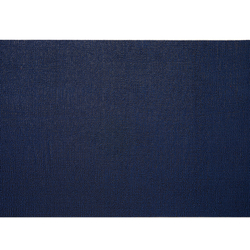
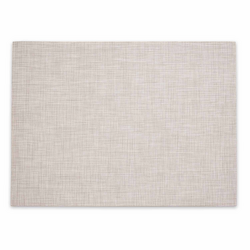
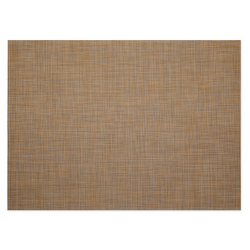
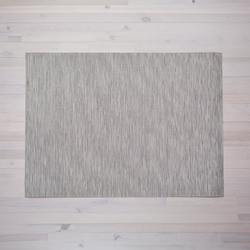
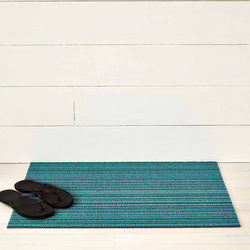
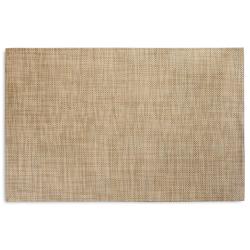
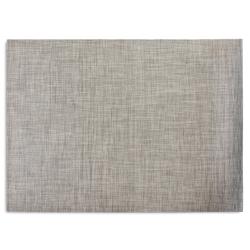
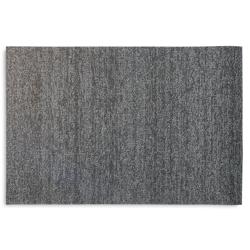
Pretty rugs bring color, pattern and comfort to a room while helping the space feel finished and welcoming. A well-chosen rug can soften the look of hardwood floors, define a seating area in an open floor plan or add a layer of personality to a bedroom, entryway or home office. The best choice depends on the feeling you want to create. Traditional rugs with ornate borders and timeworn-inspired motifs can lend warmth and character to a classic interior, while modern geometric designs suit rooms with clean lines and streamlined furniture. Floral patterns bring a relaxed, collected look, and bohemian-inspired styles can make a space feel easygoing and expressive without requiring a complete décor update. If your furniture and walls are neutral, a rug with rich color or an eye-catching pattern can serve as the room’s focal point. In a more colorful room, look for a design that repeats one or two existing shades so the finished arrangement feels considered rather than busy. Cream, brown, rust, green and muted blue work especially well during the cooler months, adding depth that looks inviting beside wood furniture, woven accents and soft throws. For a quieter foundation, explore
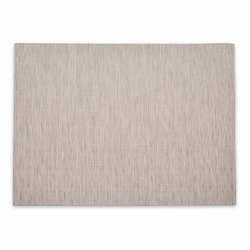
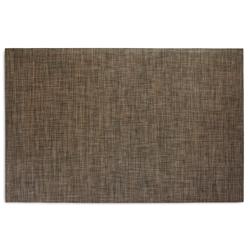
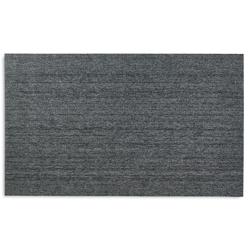
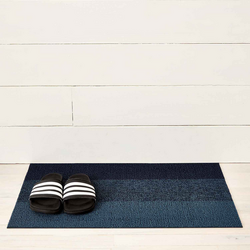
Simple Rugs with understated colors and uncomplicated patterns that let artwork, upholstery or architectural details take the lead.
Before choosing a rug, measure the area where it will go and consider how the surrounding furniture will sit on or around it. In a living room, a larger rug often looks most balanced when the front legs of the sofa and chairs rest on its edges, visually connecting the seating instead of leaving each piece floating on its own. In a dining area, select a size that allows chairs to remain on the rug when pulled away from the table. For a bedroom, a generously sized rug placed beneath the lower portion of the bed creates a soft landing on both sides, while a smaller runner can add comfort along one side or at the foot. Runners are also useful in hallways, kitchens and narrow entryways, where they add color without overwhelming the available floor space. Pay attention to pile height as well as length and width. A plush or shag texture feels wonderful under bare feet in a bedroom or reading nook, but a lower pile may be easier to live with in a busy entry, beneath dining chairs or near a frequently opened door. Low-profile rugs are generally simpler to vacuum and less likely to catch on furniture, while thicker textures can help make a large room feel warmer and more layered. A rug pad can add cushioning, help prevent slipping and protect both the rug and the floor beneath it. Make sure the pad is sized appropriately so it stays hidden just inside the rug’s edges.
Material plays an important role in appearance, comfort and everyday care. Wool is valued for its natural resilience, warmth and pleasing texture, making it a strong choice for living rooms, bedrooms and other areas that see regular use. Cotton rugs often have a lighter, more casual feel and can work well in bedrooms, kitchens or smaller spaces. Natural fibers such as jute and sisal bring an earthy texture that pairs beautifully with wood, linen and woven furniture, though they may be less suitable for areas exposed to frequent moisture. Silk and silk-like fibers can create a luminous, elegant surface, but they are best reserved for lower-traffic spaces where their beauty can be enjoyed with less wear. Synthetic fibers can offer practical durability, easy maintenance and a wide range of colors and patterns, which makes them useful for family rooms, play spaces and busy hallways. Always review the care instructions before placing a rug in a particular room. Vacuum regularly using a setting appropriate for the pile, blot spills promptly with a clean cloth and avoid saturating the fibers unless the care guidance specifically allows it. During the cooler months, pretty rugs can make a room feel especially inviting beneath a coffee table, near a favorite chair or beside the bed. They also make thoughtful gifts for someone settling into a new home, refreshing a nursery or creating a more comfortable workspace—particularly when you choose a versatile color, a practical size and a pattern that reflects the recipient’s style.