-
(97)
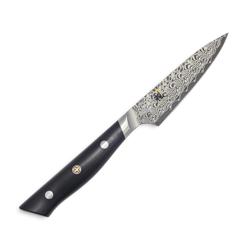
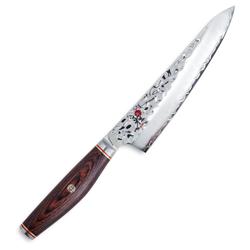
A versatile 5.5" prep knife with a textured finish, cocobolo-rosewood handle, and exceptional cutting performance.
Pros: sharpness, balance, comfort
-
(139)
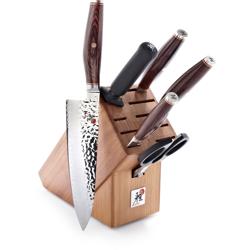
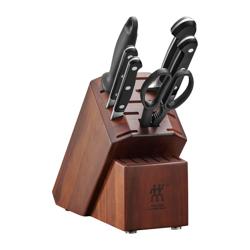
A 7-piece knife block set with an industry-leading SG2 core, legendary katana edge, and distinctive cocobolo pakkawood handle.
Pros: sharpness, beautiful design, balance
-
(97)
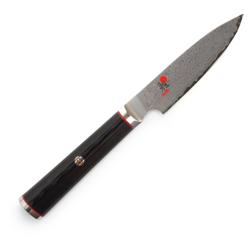
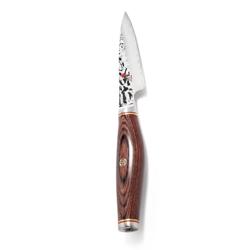
A handmade paring knife with a legendary katana edge, featuring a distinctive Cocobolo Pakkawood handle.
Pros: sharpness, comfortable handle, durable
-
(42)
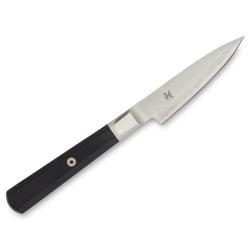
A nimble prep knife with a blackened maple handle, forged from MC66 steel and stainless steel Damascus.
Pros: sharpness, precision, quality
-
(2)
A high-performance paring knife with a razor-sharp edge, full-tang construction, and a beautiful tagayasan wood handle.
-
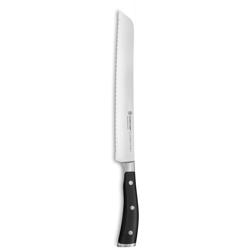
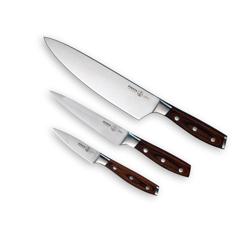
A professional-grade, three-piece knife set featuring German stainless steel blades and brown walnut Pakkawood handles.
Brown Paring Knife
A paring knife is a small, sharp knife that's great for peeling, trimming, and slicing vegetables. Brown paring knives are a popular choice for cooks who appreciate quality and style. These brown knives are made from high-quality materials and have a sleek, modern look that adds a touch of sophistication to almost any kitchen. Here are some great options.


Brown Paring Knife
FAQ List
A paring knife is a small, sharp knife that is used for peeling and trimming fruits and vegetables.
Look for a knife with a comfortable handle that fits your hand well. The blade should be sharp and made from high-quality steel that will hold its edge over time. It is also important to consider the length of the blade; a shorter blade is more maneuverable and easier to control, while a longer blade can be more versatile.
Yes, a paring knife can also be used for slicing cheese and meats, as well as other small cutting tasks.
Yes, a paring knife makes a great gift for anyone who loves to cook, whether they are a professional chef or a home cook.
The price of a paring knife can vary depending on the brand and quality, but the color of the knife should not affect the price.
-
"Great knife and have three different sizes. Very sharp"
-
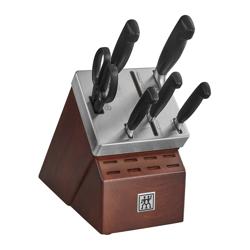
"I love everything about this knife set. The self sharpening block is top notch"
-
"Probably one of the best bread knives I own. Great balance and cuts effortlessly through loaves"
-
"This is hands down the best paring knife I?ve used for this amazing value, VERY HIGHLY recommend"
-
"Sharp, yes I cut myself already, great simple design and just super practical for everything"