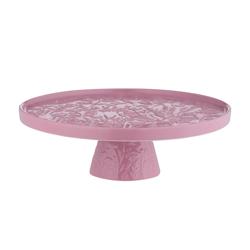
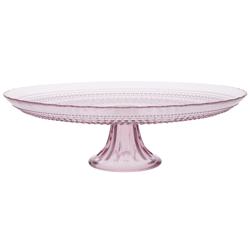
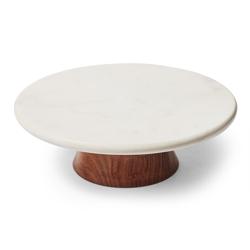
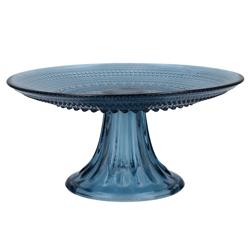
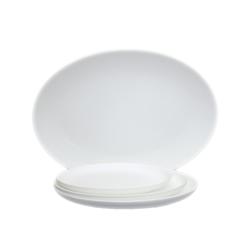
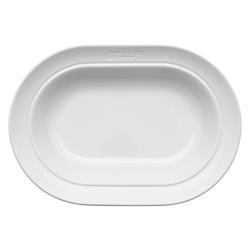
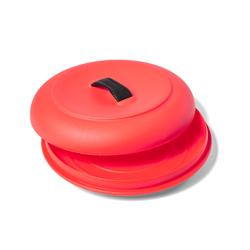
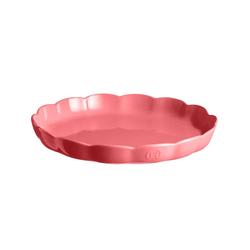
Cake platters are broad serving dishes that support and display cakes, pastries and other desserts. Their generous surfaces give a cake a finished presentation while leaving room to cut and lift individual slices. A flat cake platter keeps dessert close to the table, making it useful for everyday baking, crowded buffets and gatherings where guests serve themselves. The raised base of
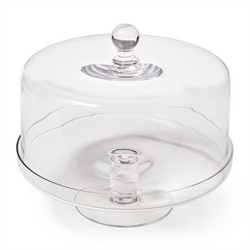
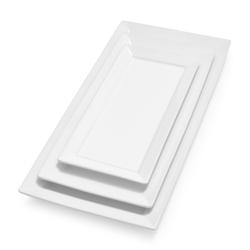
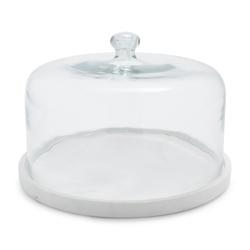
cake stands adds height, helping a layer cake become a focal point without requiring extra decoration. Both styles can suit a simple pound cake as comfortably as a frosted birthday cake; the best fit depends on the dessert, the table and the way it will be served. Size matters beyond the diameter of the cake itself. A 9-inch cake needs a serving surface larger than 9 inches, with additional space for piped borders, scattered berries or a ring of toasted coconut. A little breathing room also gives the server somewhere to rest between slices without disturbing the frosting. For sheet cakes, loaf cakes and rolled desserts, a rectangular or oval platter can follow the shape more naturally than a round one. The usable surface is more important than the overall measurement, especially when a platter has a broad decorative rim or sloping edges. A mostly level center supports the cake evenly, while a shallow lip can help contain crumbs or a light drizzle of sauce. Tall rims can make it harder to slide a server beneath the bottom layer, so their shape deserves attention alongside their appearance. When a cake board sits beneath the dessert, its diameter belongs in the fit calculation, too. For a covered presentation, the interior height and width of the dome need to accommodate frosting peaks, fruit and other decorations without brushing them. The complete footprint matters just as much: a platter should sit comfortably on the dessert table and fit wherever it will be stored between celebrations. A broad pedestal base can provide reassuring support, but its width also affects how closely surrounding plates can sit.
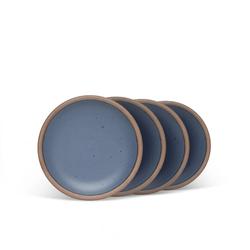
Material influences the look, weight and everyday care of a cake platter. Porcelain and glazed ceramic bring the familiar feel of dinnerware to the dessert table, with surfaces that can complement everything from smooth buttercream to a rustic apple cake. Stoneware often has a more substantial presence, although weight and finish vary by design. Glass keeps the presentation visually light and lets the table beneath remain part of the setting; clear glass is particularly effective when the cake has detailed piping or colorful layers that deserve the attention. Wood adds warmth beside linen napkins and simple white plates, but it calls for care appropriate to its finish and should be intended for food contact. Metal can offer a polished or understated backdrop, depending on its finish, while lightweight plastic or acrylic may be practical where easier handling matters. No material is automatically the best choice for every household. A heavier platter may feel steady during slicing but require two hands to carry once a cake is in place. A lighter one can be easier to move, though the shape and stability of the base remain important. Durability also depends on construction, surface treatment and handling: ceramic edges can chip, glass can break and decorative finishes may scratch under a sharp knife. For frequent use, a smooth serving area and an uncomplicated shape can make cleanup and storage less fussy. Color and pattern offer another way to match the platter to its role. A quiet background leaves room for elaborate decorations, while a patterned border can frame an unfrosted cake beautifully. There is no need for every serving piece to match, but a shared color or material can connect the dessert presentation with existing dinnerware. As gifts, cake platters are especially thoughtful for home bakers, enthusiastic hosts and couples building a collection of serving pieces. A versatile size and a finish suited to the recipient’s table can make the gift useful well beyond a single occasion.
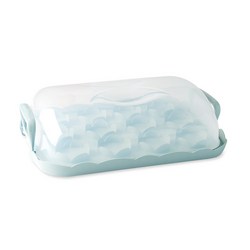
A cake platter earns its place through the many ways it can be used, not just the occasions when a layered celebration cake is on the menu. A ring of cupcakes, a stack of shortbread or wedges of a simple tea cake can turn it into an inviting centerpiece for an afternoon visit. At a larger gathering, a low platter can hold sliced desserts where guests can reach them easily, while a raised piece helps create space around neighboring bowls and plates. The serving routine is worth considering before choosing a shape. A comfortable edge gives hands somewhere to grip, and enough clear surface around the cake makes the first slice easier to remove cleanly. Decorative handles may help with carrying, but they also increase the space needed in a cupboard or refrigerator. A dome can shield a cake from dust and incidental contact, although it is not a substitute for refrigeration when fillings or frostings require it. It also does not turn a platter into a secure carrier; a cake traveling to a party needs a container designed to protect it in transit. Care should follow the manufacturer’s instructions rather than assumptions based on appearance. Some glass and ceramic pieces are dishwasher safe, while others require hand-washing, particularly when they have applied decoration or special finishes. Wood generally needs prompt cleaning and thorough drying rather than soaking, and metal finishes may need gentle washing to preserve their appearance. A serving platter should not be treated as bakeware unless it is specifically identified as oven safe. During storage, a soft separator between stacked pieces can help protect surfaces, and tall pedestals need enough shelf clearance to avoid knocking their edges. These practical details make a difference for a platter that comes out often. Whether it holds a carefully decorated birthday cake or the last few slices of a weekend bake, a well-chosen cake platter makes dessert easier to serve and gives the work that went into it a fitting place at the table.