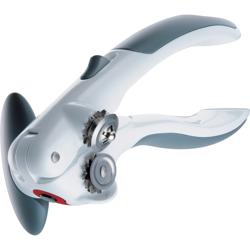
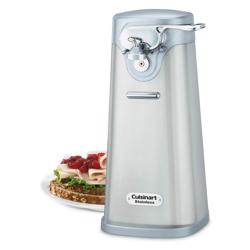
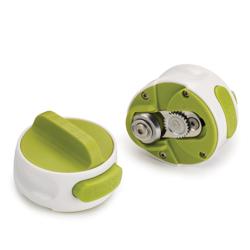
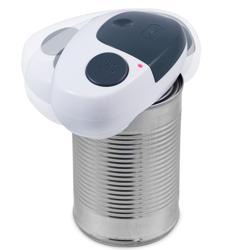
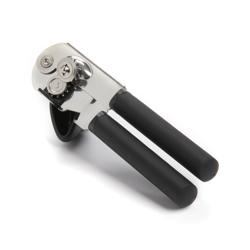
A can opener is a kitchen tool that opens sealed metal cans by cutting through the lid or along the outer rim. Manual can openers use a hand-turned mechanism, while electric can openers use a motor to do the cutting. Side-cut designs work around the outside edge rather than cutting into the top of the lid. Each style serves the same everyday purpose: making pantry ingredients easier to use, whether dinner starts with crushed tomatoes, chickpeas or a can of tuna. A dependable opener earns its place beside the stove when a sauce needs another can of tomatoes or a quick lunch calls for white beans dressed with olive oil and lemon. Traditional manual openers typically have two handles, a cutting wheel and a turning knob. They offer direct control over the pace of cutting and work without an outlet or batteries, making them useful in home kitchens, vacation rentals and emergency supplies. Larger knobs and comfortable handles can make repeated turns feel more manageable, especially when opening several cans for a batch of chili. Electric designs reduce the amount of manual turning required, which may appeal to frequent cooks or people who find gripping and twisting uncomfortable. Some sit on the counter, while others are handheld, so their footprint and power source matter as much as their opening mechanism. Side-cut openers can be appealing when a cleaner lid-removal process is a priority. Depending on the design, they may leave a less sharp edge or include a way to lift the lid without reaching into the can, although cut metal still deserves careful handling. Compact manual designs take up less drawer space and travel easily, but a smaller handle may offer less leverage. Choosing among these styles comes down to the motion that feels comfortable, the space in the kitchen and how often canned ingredients appear in the cooking routine.
Materials and construction influence how a can opener feels in the hand and how well its moving parts hold their alignment over time. Stainless steel components offer corrosion resistance, while a sturdy frame helps support the cutting mechanism as it travels around the rim. Cutting-wheel materials vary, so stainless steel construction alone does not tell the whole story about cutting performance. Secure connections, a firmly attached knob and gears that engage consistently are useful details to consider alongside the finish. Molded or cushioned handles can make contact more comfortable, particularly when hands are damp from rinsing vegetables, but grip shape is personal. A broad handle may feel supportive to one cook and bulky to another. The distance between the handles, the size of the knob and the pressure needed to engage the cutter all affect everyday use. Left-handed cooks may also want to check operating direction and control placement rather than assume that every opener works equally well in either hand. Can compatibility deserves similar attention. A familiar soup can, a shallow tuna can and a tall can of tomato juice present different shapes and proportions, and not every mechanism accommodates every rim. Countertop electric designs may have height or clearance limits, while handheld models still need enough room to seat correctly. Dented rims and unusually shaped containers can interfere with a secure grip even when the opener works well on standard cans. For cooks who regularly prepare larger batches, a comfortable turning motion can matter more than a compact profile. For a small kitchen, an opener that fits neatly into a utensil drawer may be the better match. Features such as lid lifters or magnetic holders can help manage a detached lid, but their usefulness depends on the design. Straightforward construction and an easy-to-understand mechanism are often more valuable than extra functions that rarely get used.
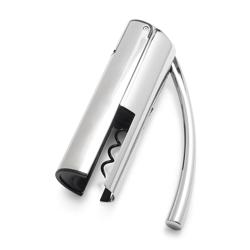
Care is especially important around a can opener’s cutting wheel, gears and lid-contact surfaces, where a little tomato sauce or starchy bean liquid can linger. Cleaning directions vary by material and mechanism, so dishwasher-safe labeling should be checked rather than assumed. Many manual designs benefit from prompt hand-washing and thorough drying, with attention to the spaces around the wheel. Electric models require care around motors, cords and battery compartments; removable cutting assemblies, when included, may have separate cleaning instructions. Keeping the mechanism free of dried food helps it engage cleanly, while drying metal parts before storage limits lingering moisture. An opener that begins slipping, crushing the rim or leaving sections uncut may need cleaning, inspection or replacement rather than extra force. Rough turning, loose connections and visible damage are worth noticing before the next meal depends on opening a can. Good storage also helps: a designated drawer space keeps the tool easy to find without burying the cutting mechanism beneath heavier utensils. For households that rely on an electric opener, a manual backup provides a way to open pantry foods without electricity. The same independence makes a compact manual opener practical for a camping kitchen or an emergency kit, provided it suits the cans packed alongside it. As a gift, a well-chosen can opener is a useful addition for someone setting up a first apartment, refreshing worn kitchen basics or building a more comfortable cooking routine. Handle shape and ease of operation make the choice feel considered rather than generic. A can opener and a
wine opener can also make a practical pairing for someone assembling essential kitchen tools for cooking and hosting. From opening fruit for breakfast to getting beans into a skillet for dinner, a dependable can opener supports the small, familiar tasks that keep a kitchen working.