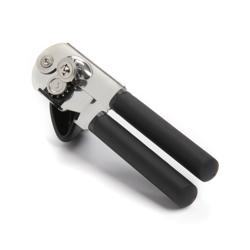
An easy can opener should make a small kitchen task feel simple rather than strenuous. The best choice depends on how often you open cans, how much counter space you have and what feels comfortable in your hand. Manual can openers remain a dependable option for everyday kitchens because they are compact, easy to store and ready whenever you need them. Look for generously sized handles with a nonslip texture, a turning knob that is easy to grip and a smooth gear action that does not require excessive squeezing or twisting. These details can make a noticeable difference when opening several cans for soup, beans or tomatoes, especially for anyone with limited hand strength, arthritis or reduced dexterity. A well-designed manual opener should sit securely on the rim, turn steadily and separate the lid without slipping. Some models cut through the top of the lid in the traditional way, while smooth-edge designs cut around the side of the can and leave a less sharp edge. Smooth-edge openers can be especially appealing in households with children who help prepare meals, though every opened can and lid should still be handled carefully. If you are replacing a worn-out opener, pay attention to the condition of the cutting wheel and gears. Rust, wobbling or a handle that pinches your fingers are signs that it is time for an upgrade. A comfortable opener is useful for everything from a quick lunch to a large pot of chili during the cooler months, and it earns its place in even the most streamlined kitchen.
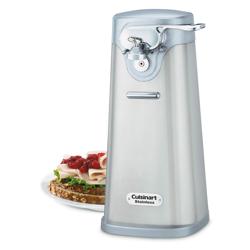
Electric can openers offer another kind of ease, particularly when opening cans is a frequent part of meal preparation or when twisting a manual handle is uncomfortable. One-touch battery-operated models are small enough to keep in a drawer and can travel easily to a dorm, camper or vacation rental. They are a practical choice for cooks who want an opener that moves around the can with little hands-on effort. Countertop electric models are generally larger and stay in place, making them convenient for busy households, shared kitchens or anyone who opens multiple cans while preparing dinner. When comparing electric designs, consider how the opener starts and stops, whether it accommodates different can heights and how simple it is to remove the lid once the cut is complete. Automatic shutoff can be helpful when your attention is divided between chopping vegetables and stirring a simmering pot. Battery-operated models are convenient where outlet space is limited, while corded countertop options can be ready at a moment’s notice without needing fresh batteries. It is also worth considering cleanup. Removable cutting assemblies or wipe-clean surfaces can help keep food residue from building up, and most openers should be kept dry unless the care instructions specifically allow washing. For a compact kitchen, an easy manual opener may be all that is needed. For a cook with mobility concerns, a household that relies on pantry staples or a person setting up a first apartment, an electric design may provide welcome everyday support. Browse
Can Openers For Modern Homes for options that pair practical function with a clean, contemporary kitchen setup.
Can openers also make thoughtful gifts because they are useful from the first day and often replace a tool someone has been tolerating for years. They fit naturally into a housewarming bundle with pantry staples, a cutting board or a few favorite kitchen utensils, and they are just as suitable for a college student furnishing a first kitchen as they are for a family cook organizing a well-used pantry. For a gift, choose an easy-grip manual style when storage space is limited or when the recipient appreciates simple tools that do not depend on batteries. An electric model may be a better fit for someone who values one-touch convenience, cooks often with canned ingredients or has difficulty with repetitive hand movements. Think about the recipient’s routine: a home cook making weeknight pasta sauce may want a fast, dependable tool close at hand, while an occasional entertainer may prefer a compact opener that can be tucked into a utensil drawer. Whichever style you choose, look for a stable grip, straightforward operation and materials that can withstand regular use. Store the opener where it is easy to reach rather than buried behind seldom-used gadgets, and wipe it after use so the mechanism stays clean and ready. With the right design, opening a can becomes a smooth first step toward dinner—whether that means adding coconut milk to a fragrant curry, tomatoes to a late-summer pasta sauce or beans to a warming meal shared around the table.