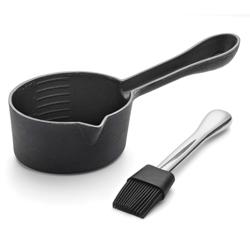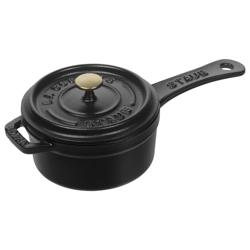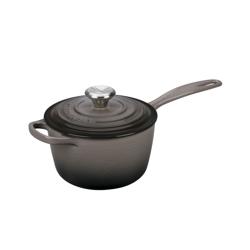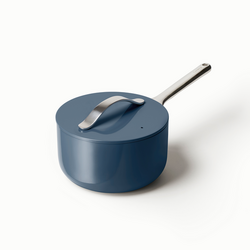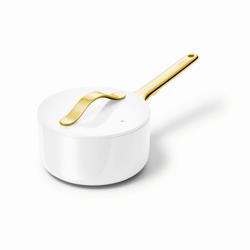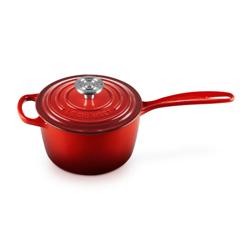
A cast iron saucepan brings the steady, even heat of cast iron to smaller cooking tasks that call for control and patience. Its thick walls hold warmth beautifully, making it especially useful for gently simmering sauces, warming milk, melting butter, cooking grains and reducing pan juices without the abrupt temperature changes that can make delicate foods scorch. A well-made saucepan can move from the stovetop to the oven, allowing you to start a sauce on the burner and finish it alongside a casserole or roast. It is also a practical size for everyday portions: a small pan handles melted butter, caramel, gravy and a cup or two of warm sauce, while a larger capacity is better suited to oatmeal, risotto, custard, rice, beans and family-size batches. Cast iron is naturally substantial, so the pan will feel heavier than a saucepan made from thinner metal. That weight is part of its appeal, but it is worth considering how comfortably you can lift it when full. A helper handle can make a meaningful difference, particularly on a two- or three-quart saucepan. Look for a secure, comfortable main handle as well as a balanced shape that sits firmly on your cooktop. A lid that fits closely helps retain moisture and heat, which is useful when holding a sauce at the table or letting grains finish cooking off the burner. For tasks that require frequent stirring or whisking, a gently curved interior can help you reach into the corners and move a flat whisk smoothly around the pan. Straight sides, on the other hand, encourage slower evaporation and are useful when you want to reduce a sauce gradually while keeping more liquid contained.
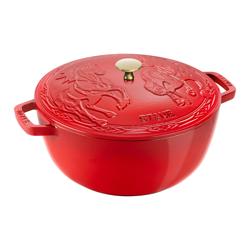
When choosing a cast iron saucepan, the most important distinction is between bare cast iron and enameled cast iron. Bare cast iron has a cooking surface that develops seasoning over time. Seasoning is a baked-on layer of oil that helps protect the pan, improves release and gives it a naturally resilient finish. It does require a little attention: dry the pan promptly after washing, avoid leaving water in it and apply a very thin layer of cooking oil when the surface looks dull or dry. With consistent care, bare cast iron can become a favorite tool with a smooth, deeply seasoned surface. It is particularly well suited to butter-based sauces, gravies, pan sauces, caramel and other preparations that are not highly acidic. Prolonged contact with tomatoes, citrus, wine or vinegar may affect the seasoning and can give food a metallic flavor, so an enameled interior is often the more convenient choice for acidic recipes. Enameled cast iron has a glass-like coating that does not need seasoning and is generally safe for tomato sauce, fruit compotes, wine reductions and other acidic foods. It also simplifies cleanup, since the smooth surface is less likely to hold onto residue. The enamel should still be treated thoughtfully: avoid sudden temperature changes, use utensils that will not scratch the finish and do not drop the pan, as a hard impact can chip the coating. Regardless of the interior, use moderate heat whenever possible. Cast iron heats gradually and stays hot for a long time, so a burner setting that seems low at first may be plenty once the pan has warmed. This is especially helpful for béchamel, custard, cheese sauce and chocolate, where gentle heat and regular stirring help prevent scorching. Let the pan cool before washing it, and follow the care instructions for the finish. Metal scouring pads, prolonged soaking and harsh detergents are not appropriate for every surface.
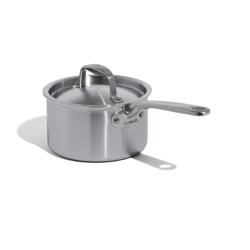
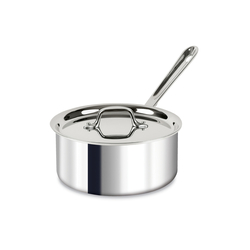
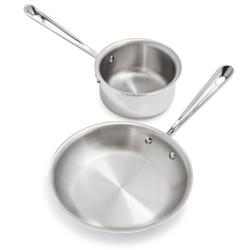
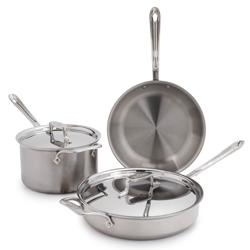
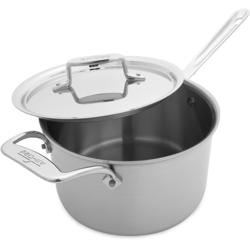
A cast iron saucepan is a useful addition for cooks who enjoy making food from scratch and want one dependable pan for sauces, sides and small-batch meals. It suits the home cook who makes Sunday gravy, the baker who needs a steady pan for pastry cream, the host who keeps warm sauce ready for a dinner gathering and the student or new cook building a hardworking kitchen from a few versatile pieces. During warmer seasons, it can be used to prepare fruit sauces, lemon curd, barbecue sauce and quick grains without taking up much space on the counter. As the weather turns cooler, its heat retention becomes especially welcome for creamy soups, savory gravies, polenta, oatmeal and sauces served with roasted vegetables or braised dishes. It also makes a thoughtful gift for someone setting up a first kitchen, learning traditional cooking techniques or replacing a collection of lightweight pans with pieces built to last. Consider the recipient’s cooking habits before choosing a finish and capacity. Someone who regularly cooks tomato-based sauces may appreciate the easy care and acid resistance of enamel, while a cook who enjoys maintaining heirloom cookware may prefer the character of bare cast iron. A one-quart saucepan is convenient for small households and precise tasks, while a two-quart or larger size offers more room for stirring and is better for shared meals. For cooks who use induction, gas or electric burners, check that the pan is compatible with the cooktop and take care when sliding it across glass surfaces. Those comparing cast iron with lighter cookware may also want to explore a
Steel Saucepan for faster heating and easier lifting. Cast iron’s strengths are its stability, versatility and remarkable durability. Used thoughtfully, a cast iron saucepan can become the pan you reach for when a recipe needs a calm simmer, a warm serving temperature or the reassuring feeling of cookware that will be part of your kitchen for years.